
Waterfalls · Iceland
Best Waterfalls in Iceland
425 mapped · 9 regions · Tallest 240 m · Free to visit


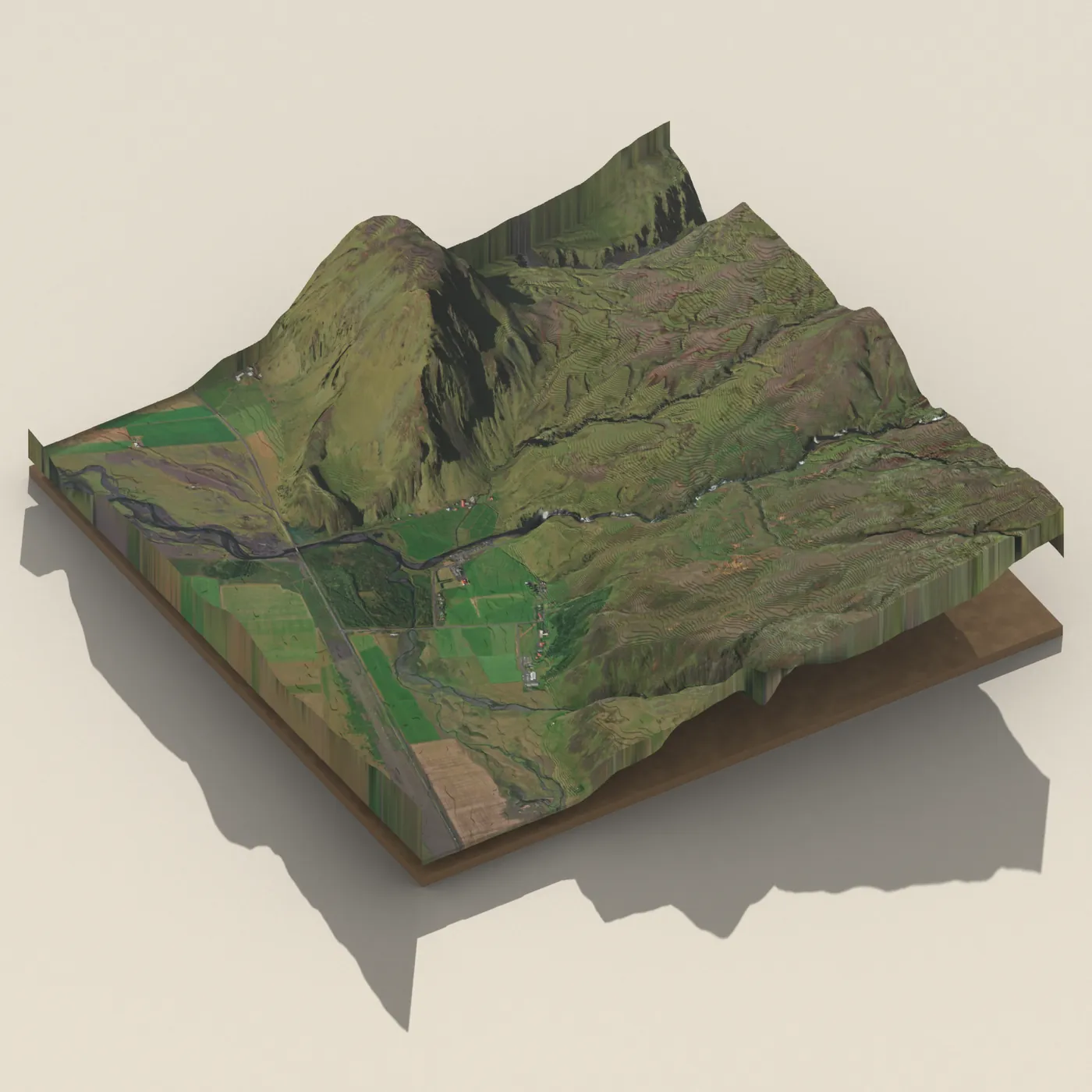
All 425 waterfalls in Iceland, mapped — every named fall across all 8 regions, nearly all free to visit. A handful are unmissable: Seljalandsfoss (the one you walk behind), Skógafoss (a 60 m curtain on the South Coast), Dettifoss (Europe's most powerful), and Gullfoss on the Golden Circle. Most are roadside and open year-round — a few need a hike or a 4×4. Jump to the full list of all 425, browse by region, or start with the top picks.

Planning around weather or roads? Live conditions across Iceland →
Top waterfalls
The headliners — walk-behind curtains, basalt canyons and the most powerful falls in Europe. Distances on the cards are straight-line from Reykjavík.
 9 photos


 Directions
 Save
Save Share
Share




Cars & campers
 KEF airport pickup 24/74.8
 Transmission
 Fuel
Fuel Seats
Seats Drive
Drive

 Sleeps
Tours near Iceland's waterfalls
 Small groups
 Duration
 Highlights
 Type
Type
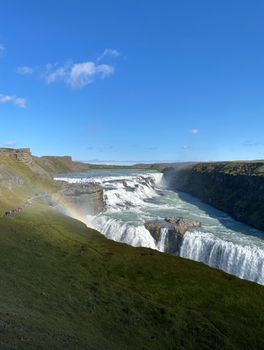
When & how to visit Iceland's waterfalls
Most of Iceland's famous waterfalls sit right off the Ring Road (Route 1) and are reachable in any car from spring through autumn. The South Coast cluster — Seljalandsfoss, Skógafoss, Gljúfrabúi — makes an easy day trip from Reykjavík (about 2 hours' drive). The Highlands falls like Háifoss need a 4×4 and are summer-only. In winter, paths get icy and F-roads close, so check live road status before you go.
Best months: June–August for peak meltwater flow and Highlands access. May and September for the same falls with fewer people. Winter turns Seljalandsfoss and Skógafoss into half-frozen curtains — spectacular, but bring spikes for the paths and skip the walk-behind route when it ices over.
Go deeper: every fall above is on the waterfall map, with coordinates as plain text. For the superlatives — tallest, most powerful, biggest by volume — the numbers are ranked in the biggest waterfalls in Iceland. Picking favourites is the 13 most famous falls; day-tripping from the city is waterfalls near Reykjavík. By route: the Golden Circle four, fourteen Ring Road stops in driving order, and the ones you can walk behind.
Browse waterfalls by region
From the South Coast headliners to Westfjords falls most visitors never see.
%201%20-%20Aug.%202022%2012.jpg?width=1600)

350 Iceland waterfalls, compared
The 350 named waterfalls we hold a fact for, ranked — our featured picks first, then by what we know about each. Tap any name for the full guide. Heights come from named river-profile data where it exists; every one is free to visit.
| Waterfall | Region | Height | Known for | |
|---|---|---|---|---|
 | Glymur | West Iceland | 198 m | Iceland's second tallest - worth the adventure |
 | Hengifoss | East Iceland | 128 m | Discover East Iceland |
 | Háifoss | Highlands | 122 m | One of Iceland's tallest drops |
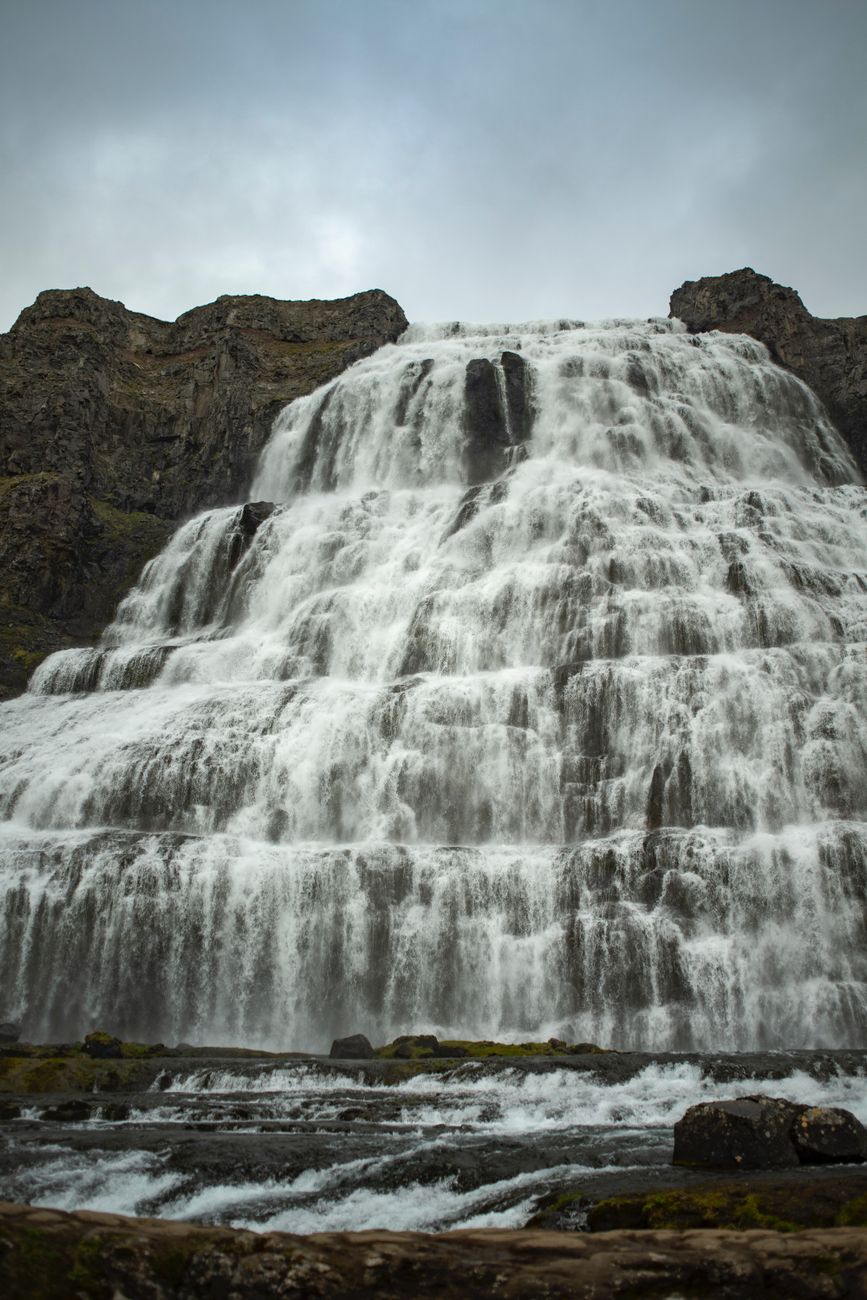
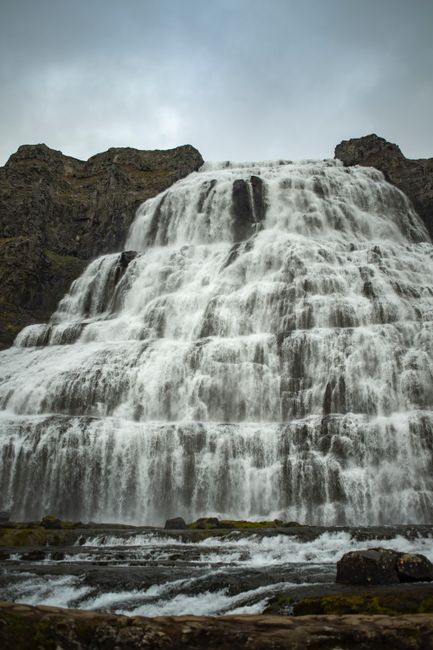 | Dynjandi | Westfjords | 100 m | The jewel of the Westfjords |
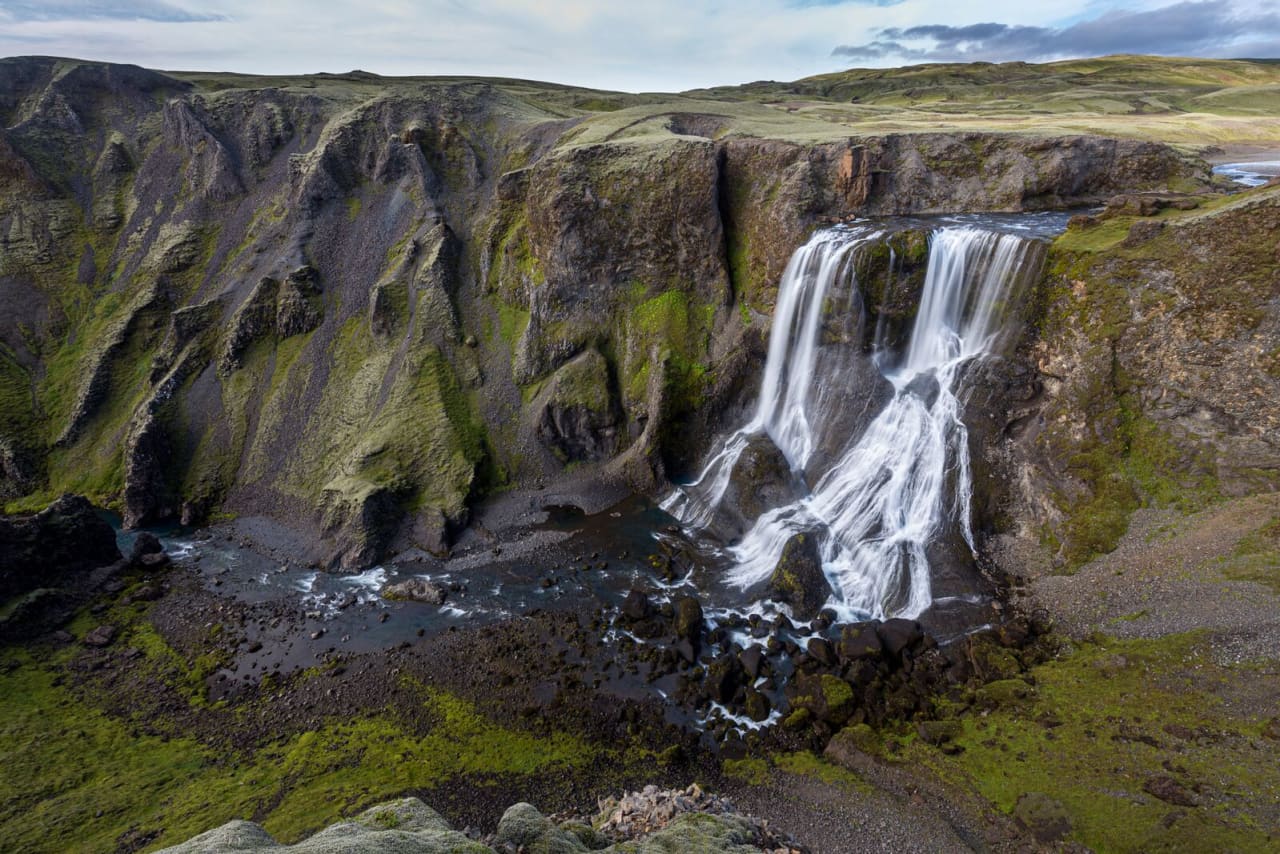 | Fagrifoss | South Coast | 80 m | Discover South Coast |
 | Seljalandsfoss | South Coast | 60 m | The one you can walk behind |
 | Skógafoss | South Coast | 60 m | Iceland's most iconic waterfall |
 | Dettifoss | North Iceland | 44 m | Europe's most powerful waterfall |
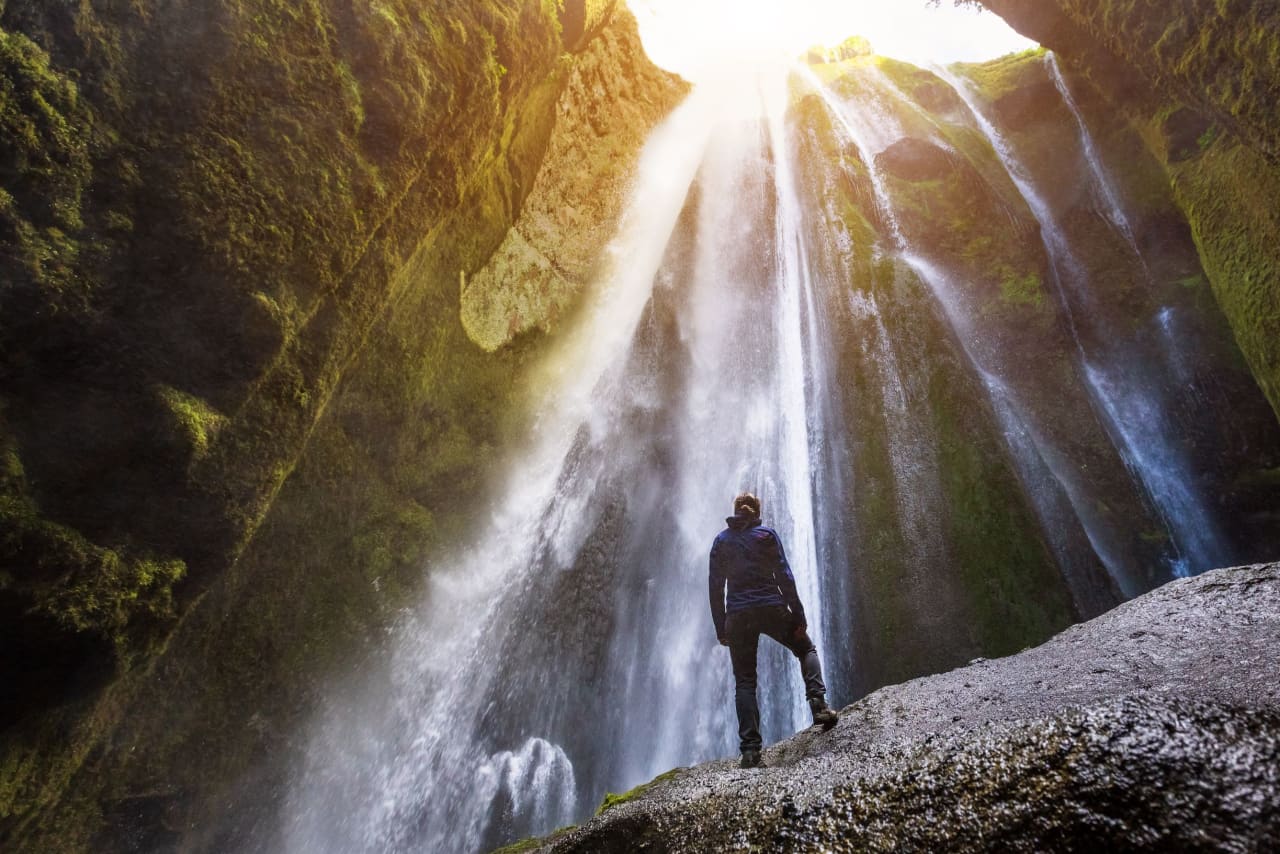 | Gljúfrabúi | South Coast | 40 m | The hidden waterfall |
 | Gullfoss | South Coast | 32 m | The Golden Waterfall |
 | Kvernufoss | South Coast | 30 m | The hidden one near Skógafoss |
 | Litlanesfoss | East Iceland | 30 m | Off the beaten path |
 | Aldeyjarfoss | North Iceland | 20 m | Off the beaten path |
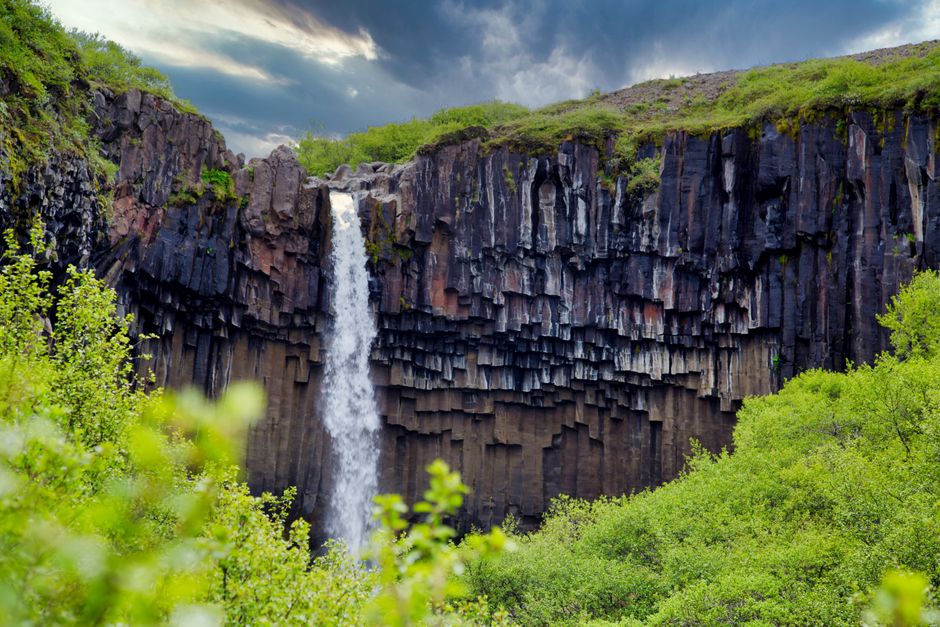 | Svartifoss | South Coast | 20 m | Black Falls - framed by basalt columns |
 | Öxarárfoss | Reykjavík Area | 20 m | A quieter Capital Area waterfall |
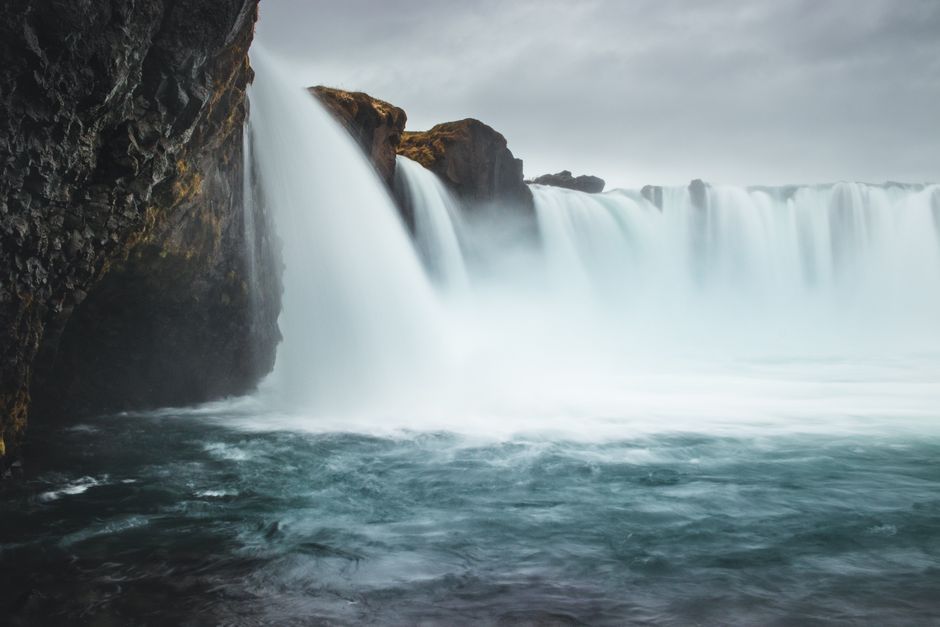 | Goðafoss | North Iceland | 12 m | Waterfall of the Gods |
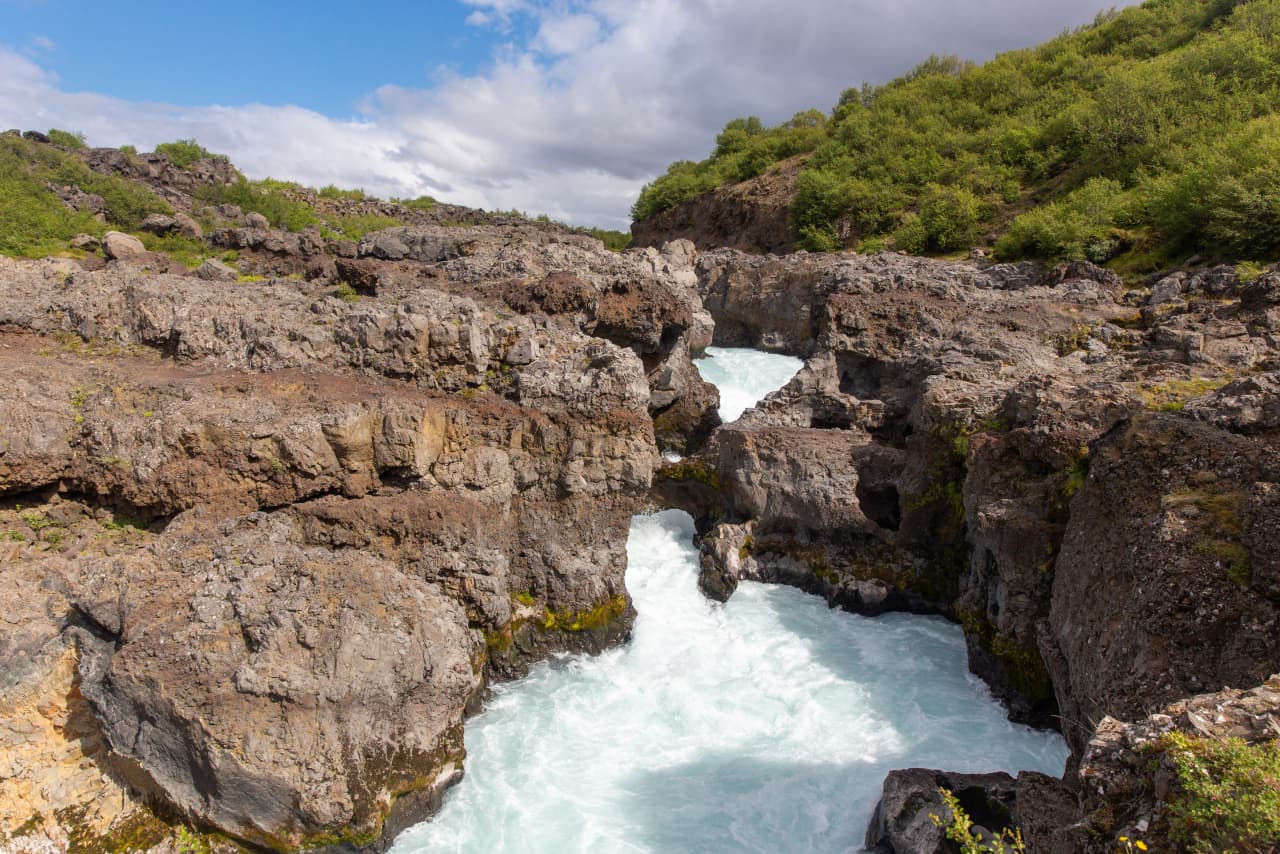 | Barnafoss | West Iceland | 10 m | Discover West Iceland |
 | Selfoss | North Iceland | 10 m | Off the beaten path |
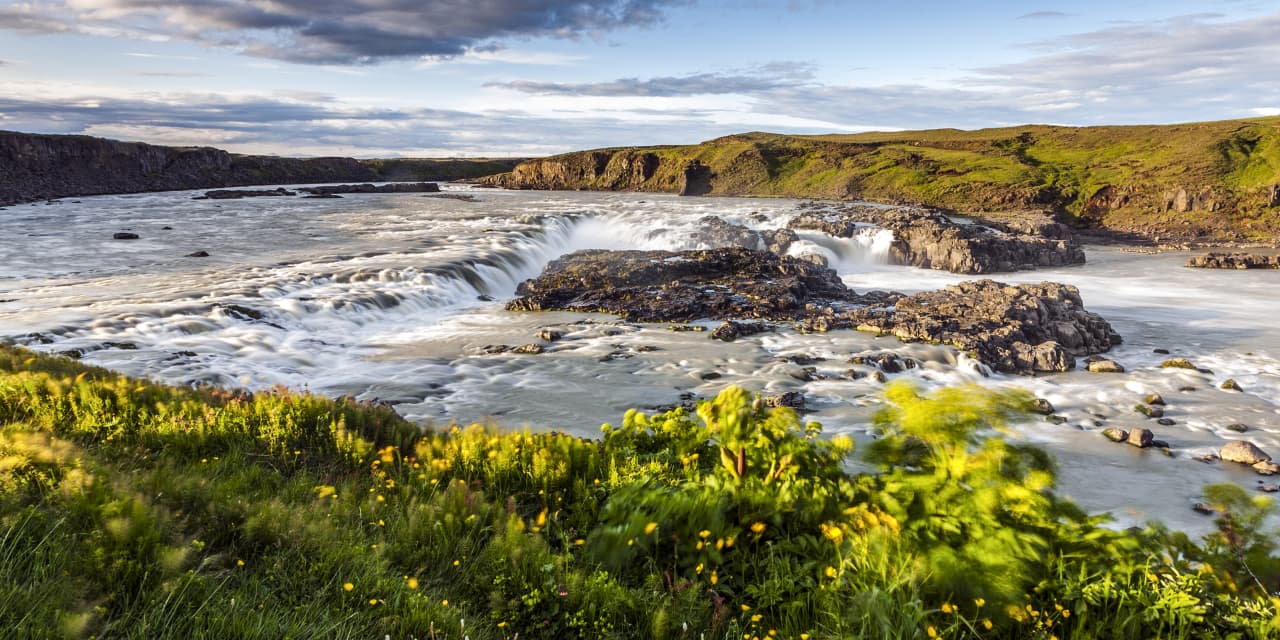 | Urriðafoss | South Coast | 6 m | A quieter South Coast waterfall |
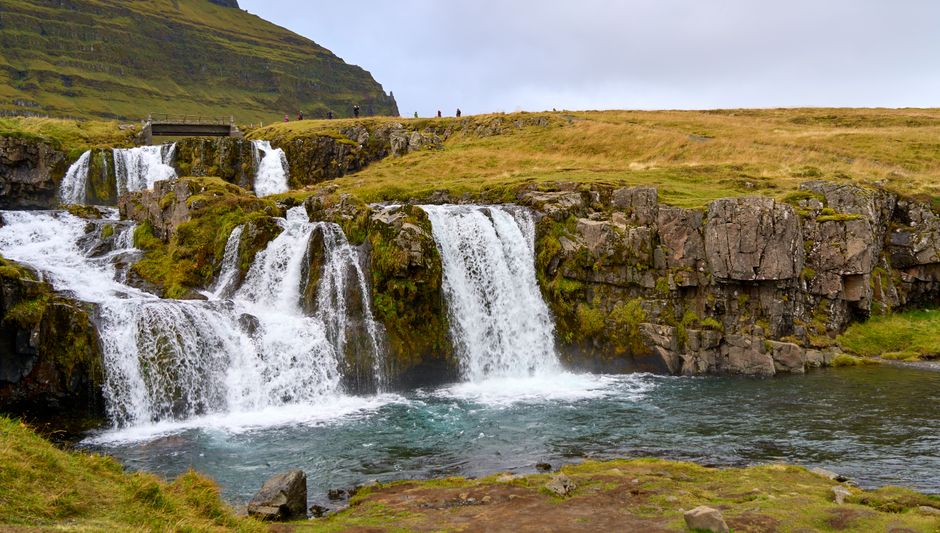 | Kirkjufellsfoss | West Iceland | 5 m | Iceland's most photographed view |
 | Brúarfoss | South Coast | 3 m | Discover West Iceland |
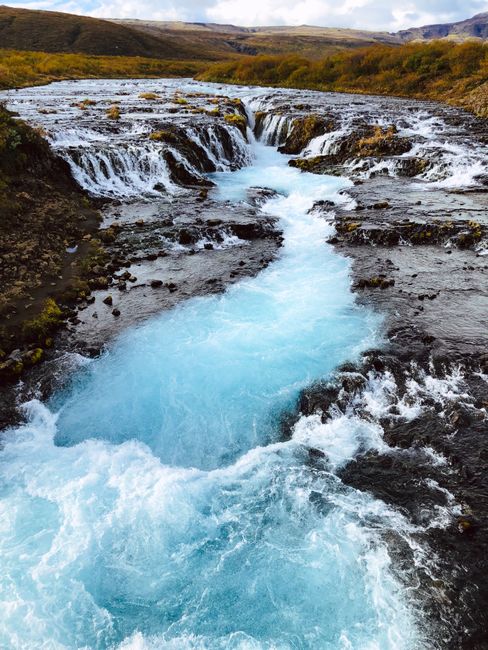 | Foss | Westfjords | — | Discover Westfjords |
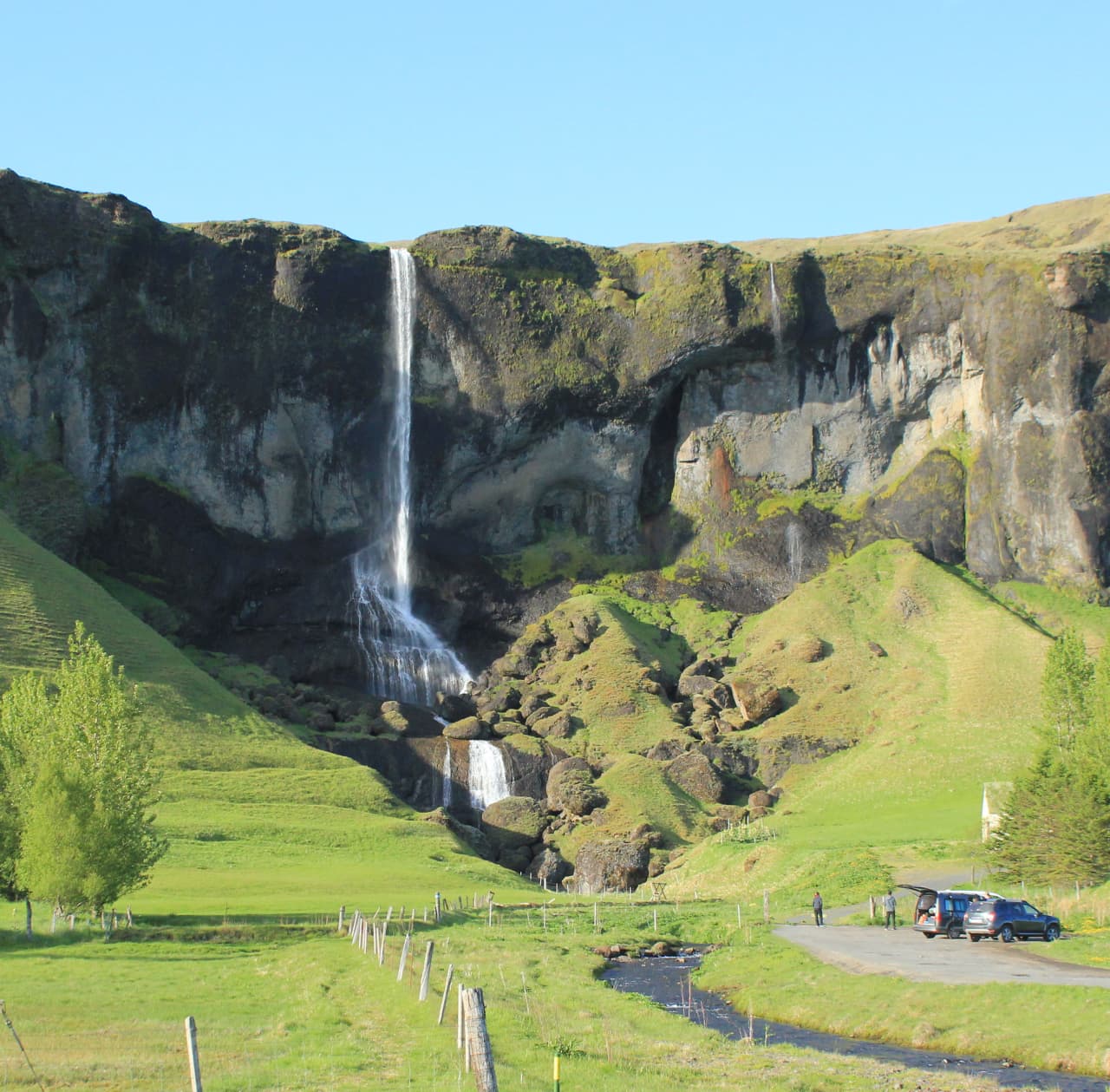 | Foss á Síðu | South Coast | — | Worth the detour |
 | Granni | Highlands | — | Worth the detour |
 | Hjálparfoss | South Coast | — | Worth the detour |
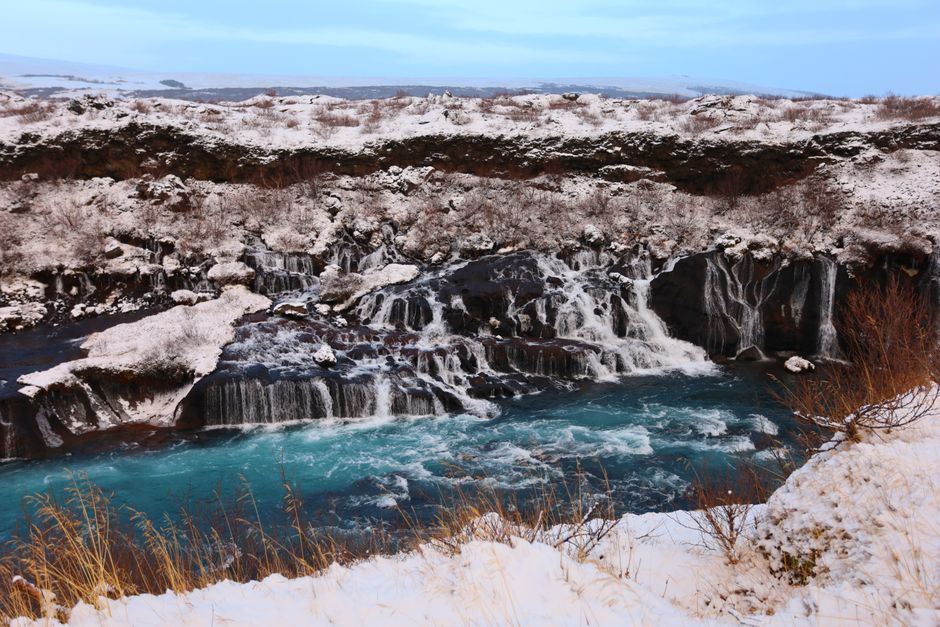 | Hraunfossar | West Iceland | — | The lava field waterfall |
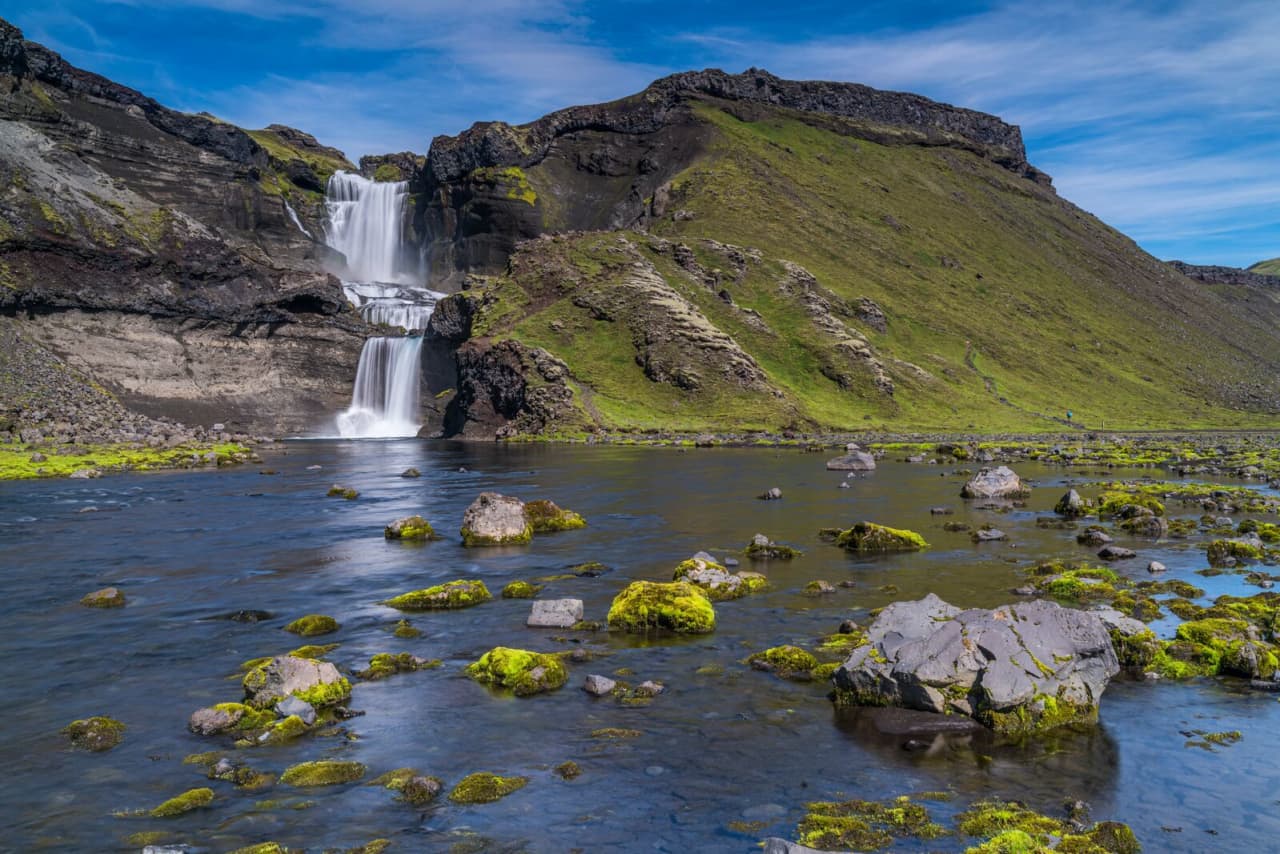 | Ófærufoss | South Coast | — | Discover South Coast |
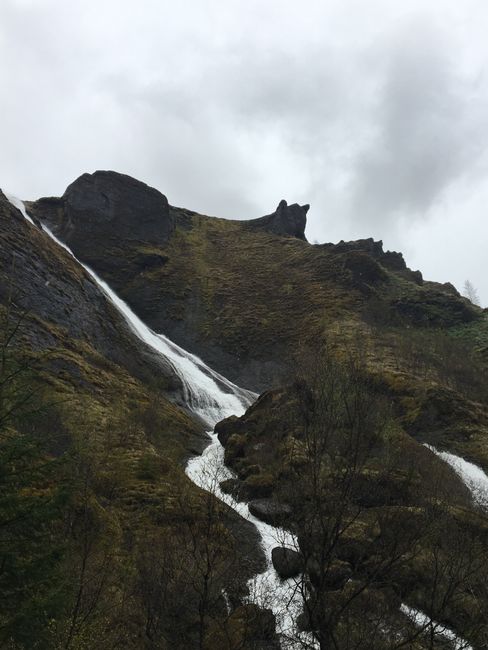 | Systrafoss | South Coast | — | A quieter South Coast waterfall |
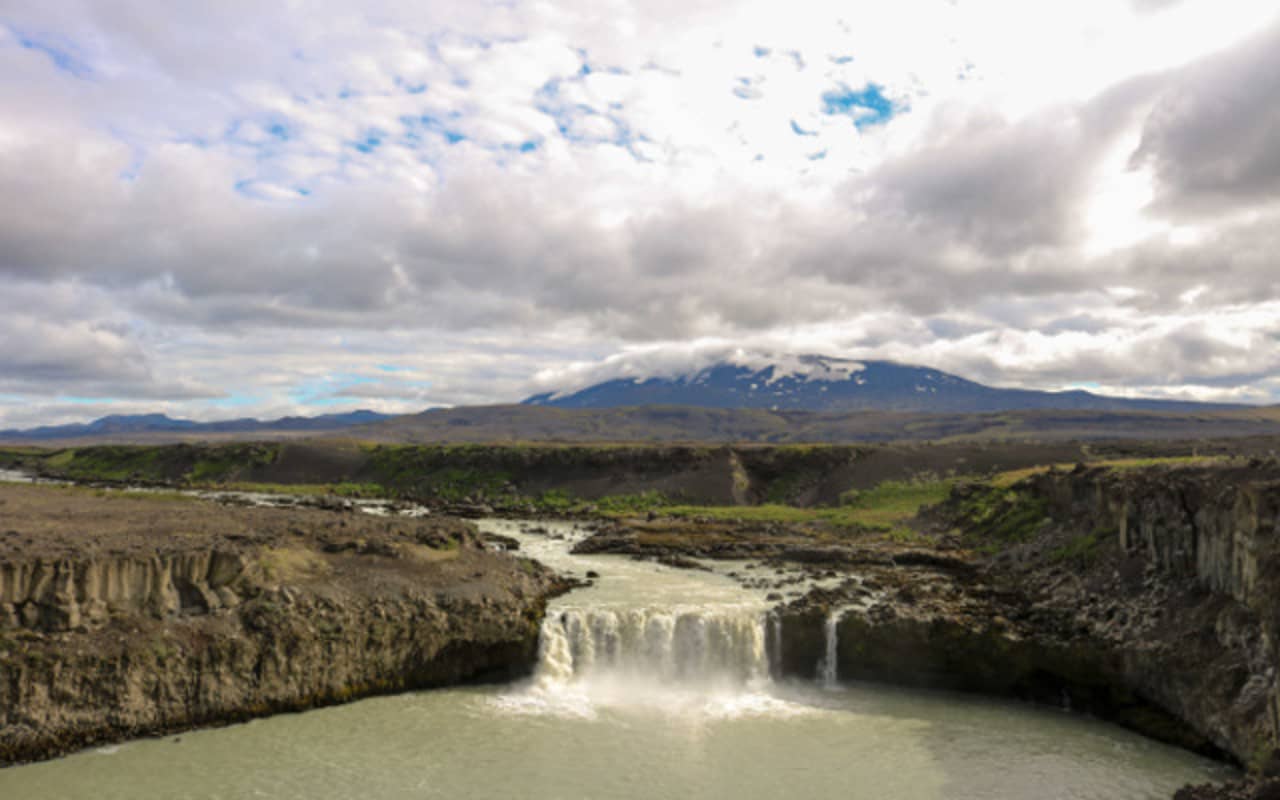 | Þjófafoss | South Coast | — | Discover South Coast |
| Fellsfoss | South Coast | — | Discover South Coast | |
| Jötnabrúarfoss | West Iceland | — | Discover West Iceland | |
 | Drífandi | South Coast | 70 m | 70 m waterfall in South Coast |
 | Árbæjarfoss | South Coast | 10 m | Worth the detour |
 | Vestdalsfossar | East Iceland | — | A staircase of falls above Seyðisfjörður |
| Morsárfoss | South Coast | 240 m | A quieter South Coast waterfall | |
| Bergárfoss | West Iceland | 40 m | A quieter West Iceland waterfall | |
| Hangandifoss | South Coast | — | Off the beaten path | |
| Skuggafoss | Highlands | — | Waterfall in Highlands | |
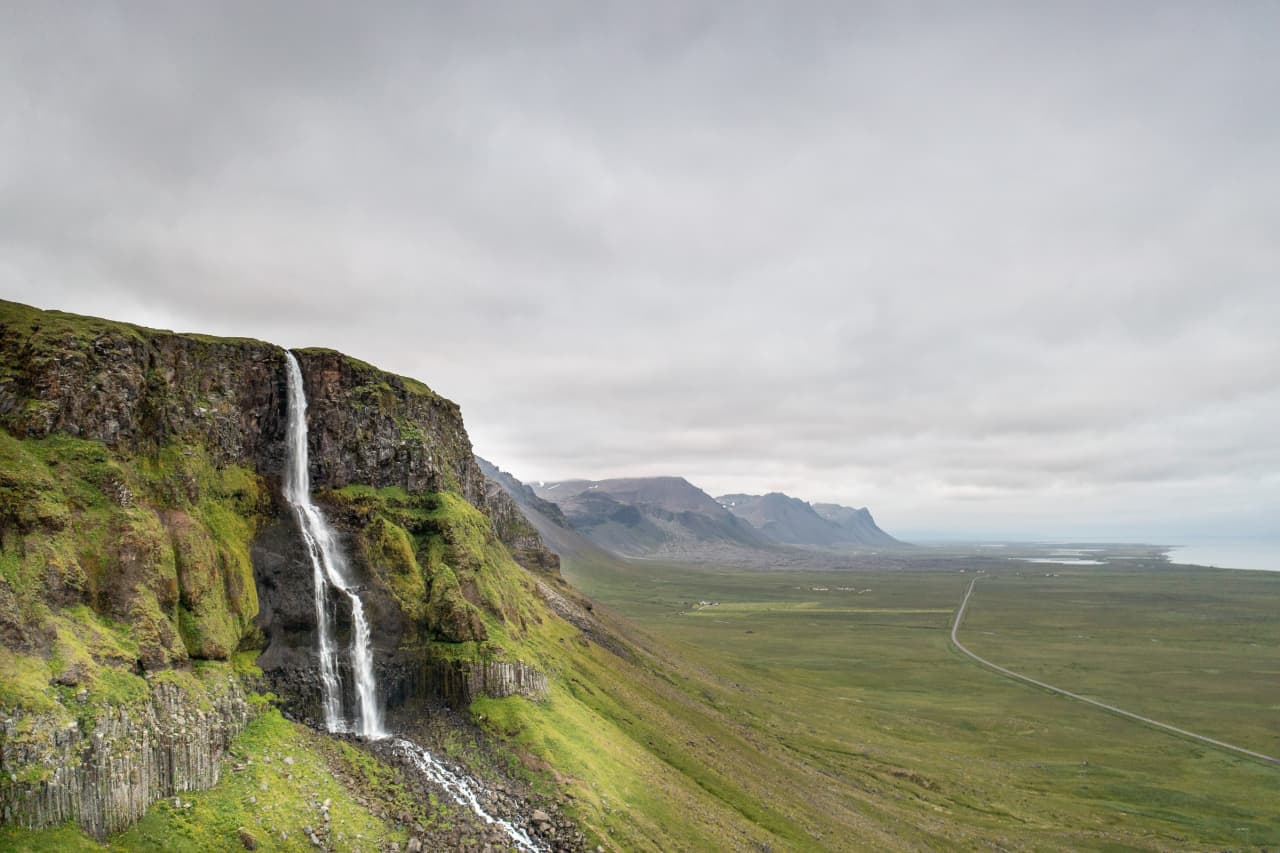 | Bjarnarfoss | West Iceland | 79 m | Worth the detour |
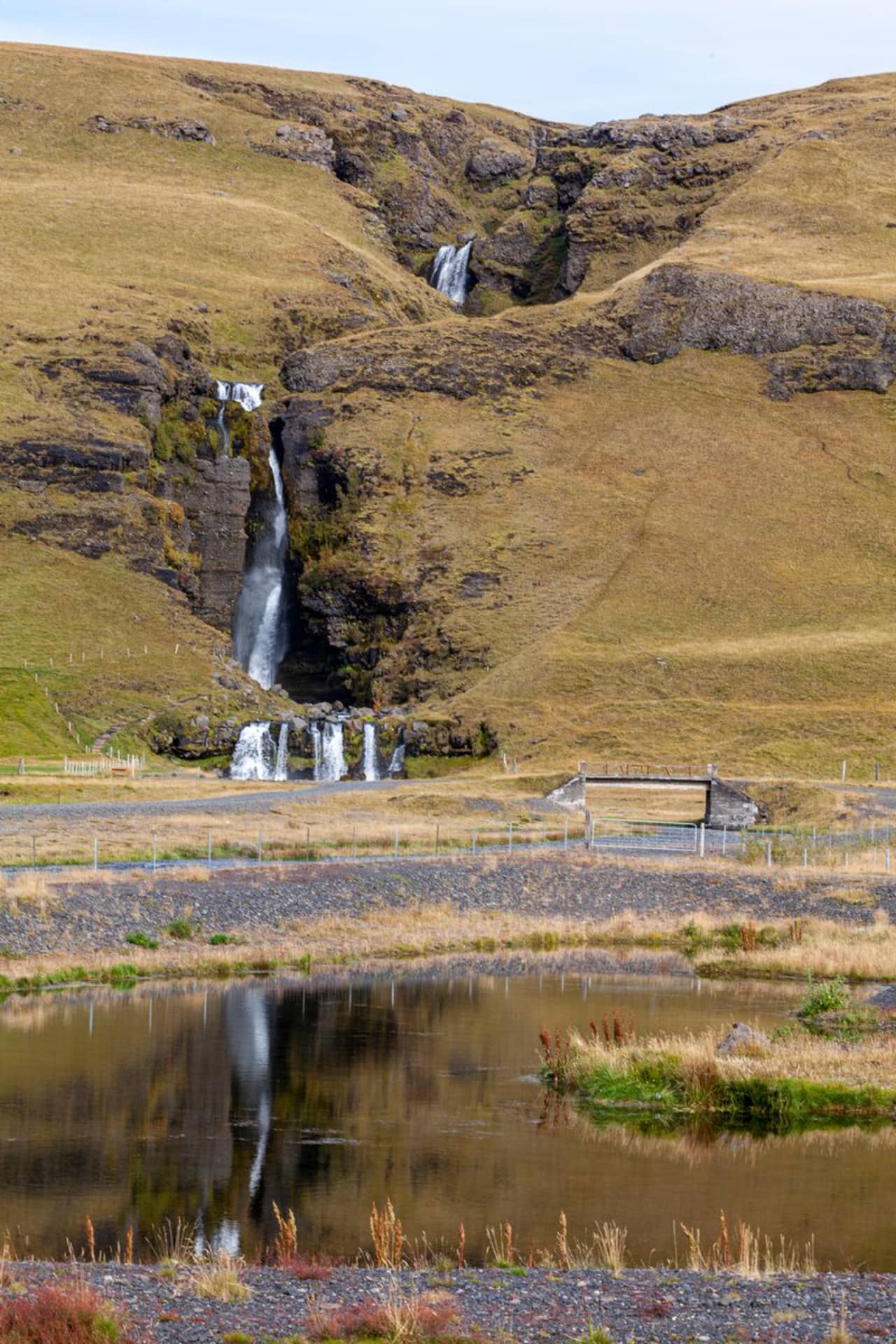 | Gluggafoss | South Coast | 47 m | A quieter South Coast waterfall |
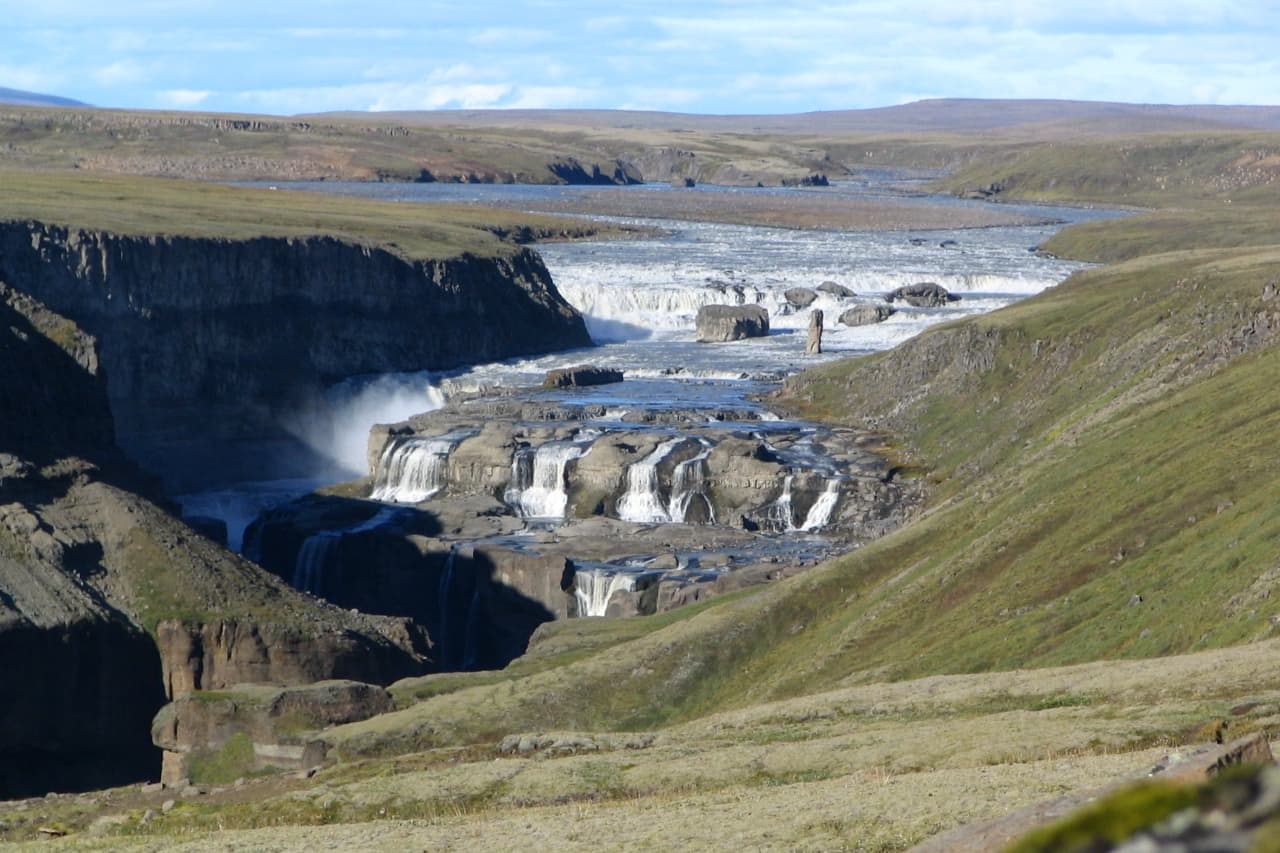 | Dynkur | Highlands | 38 m | Worth the detour |
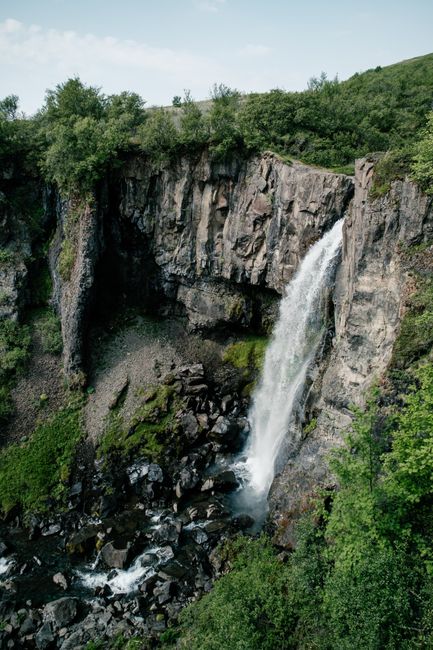 | Hundafoss | South Coast | 25 m | Discover South Coast |
 | Reykjafoss | North Iceland | 20 m | A quieter North Iceland waterfall |
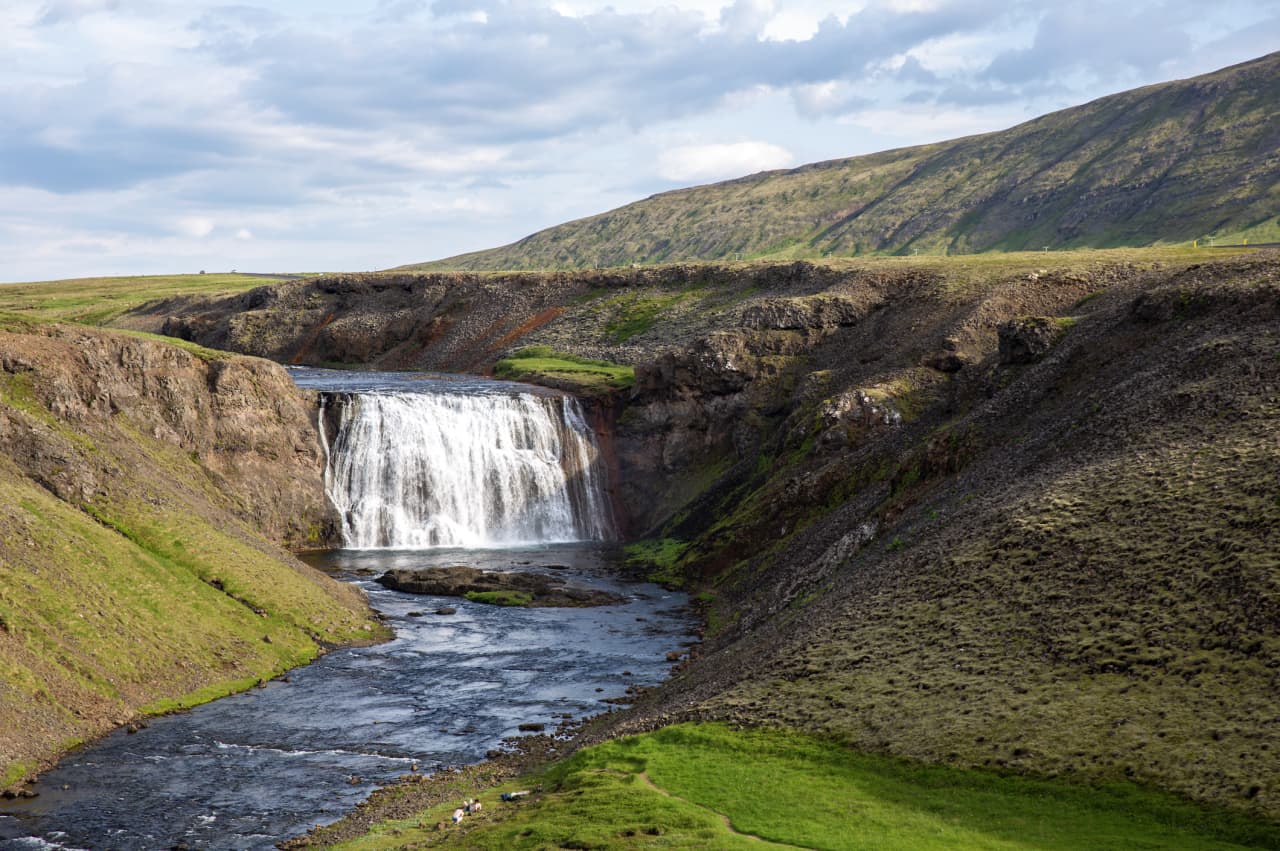 | Þórufoss | Reykjavík Area | 12 m | Nature's power on display |
 | Magnúsarfoss | South Coast | 10 m | Off the beaten path |
 | Kolufossar | North Iceland | 8 m | A quieter West Iceland waterfall |
 | Faxi | Highlands | 7 m | Discover the Highlands |
 | Álafoss | Reykjavík Area | — | Off the beaten path |
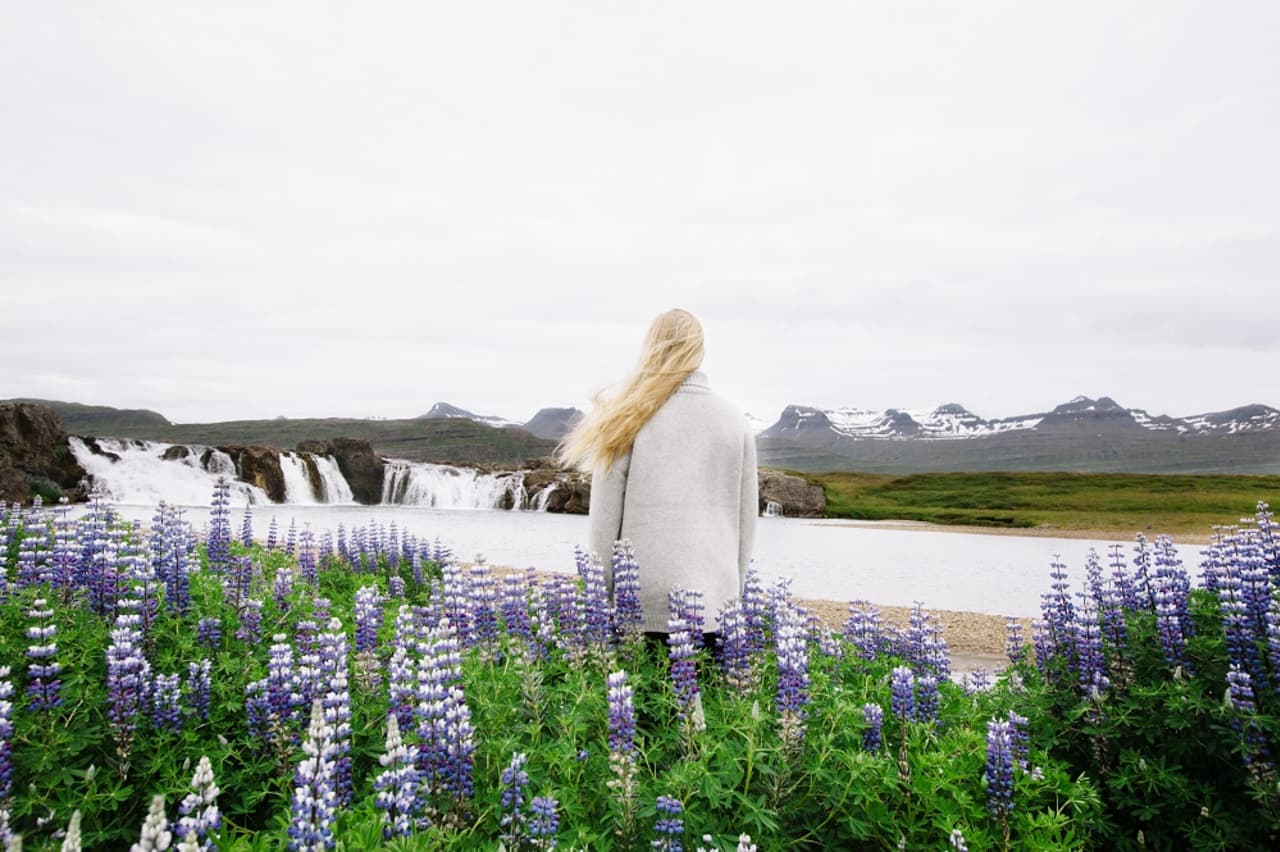 | Beljandi | East Iceland | — | Waterfall in East Iceland |
 | Bjarnafoss | West Iceland | — | A quieter West Iceland waterfall |
 | Búðarárfoss | East Iceland | — | Waterfall in East Iceland |
| Bæjarfoss | Westfjords | — | Discover Westfjords |
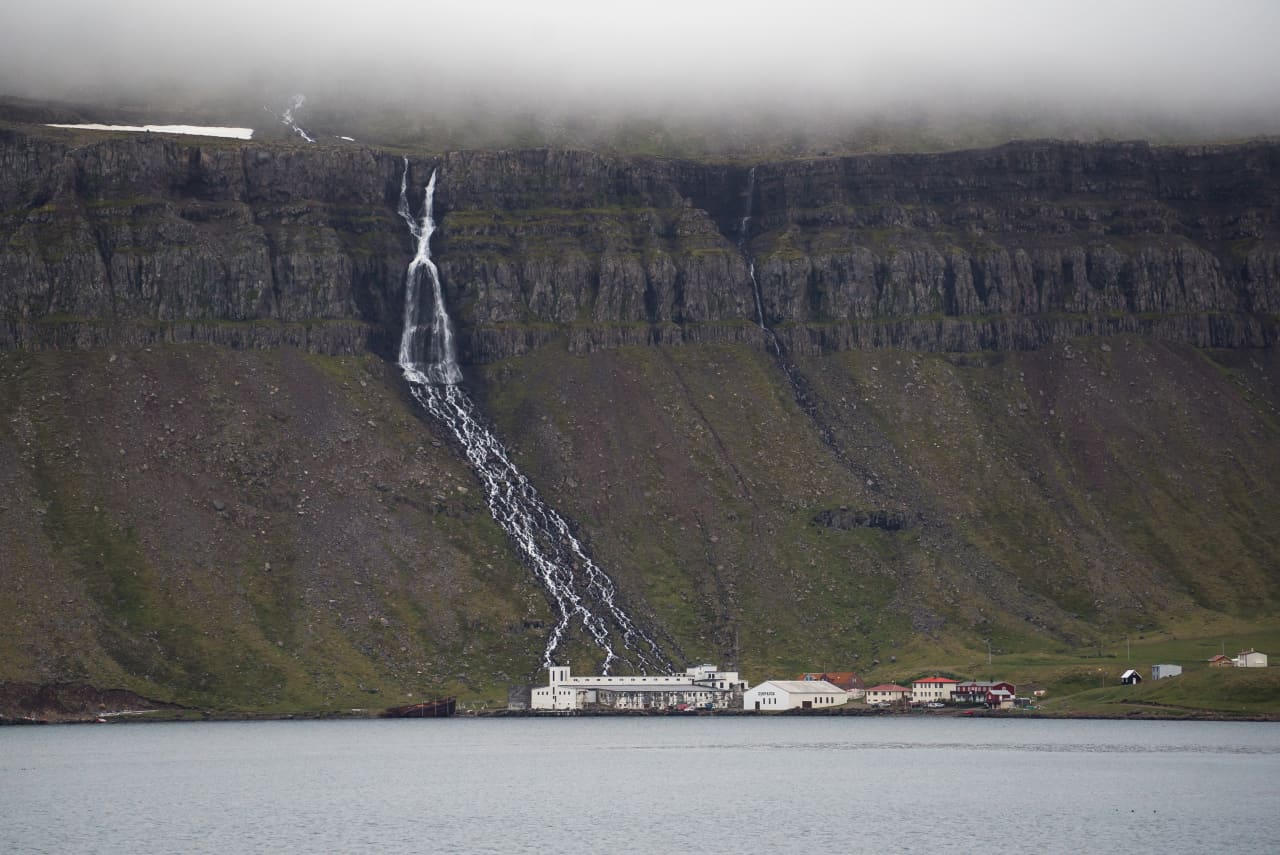 | Djúpavíkurfoss | Westfjords | — | Discover Westfjords |
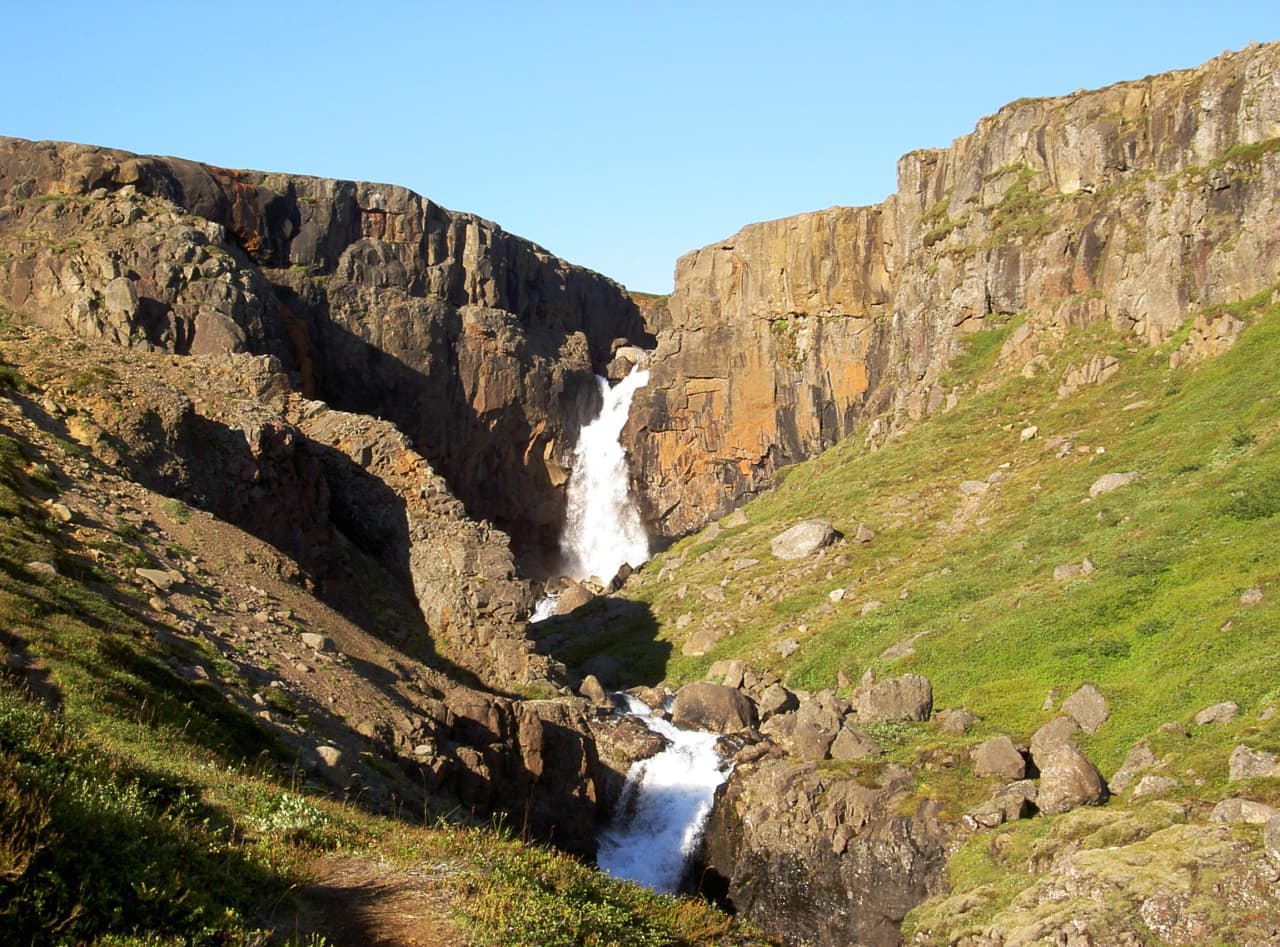 | Fardagafoss | East Iceland | — | Worth the detour |
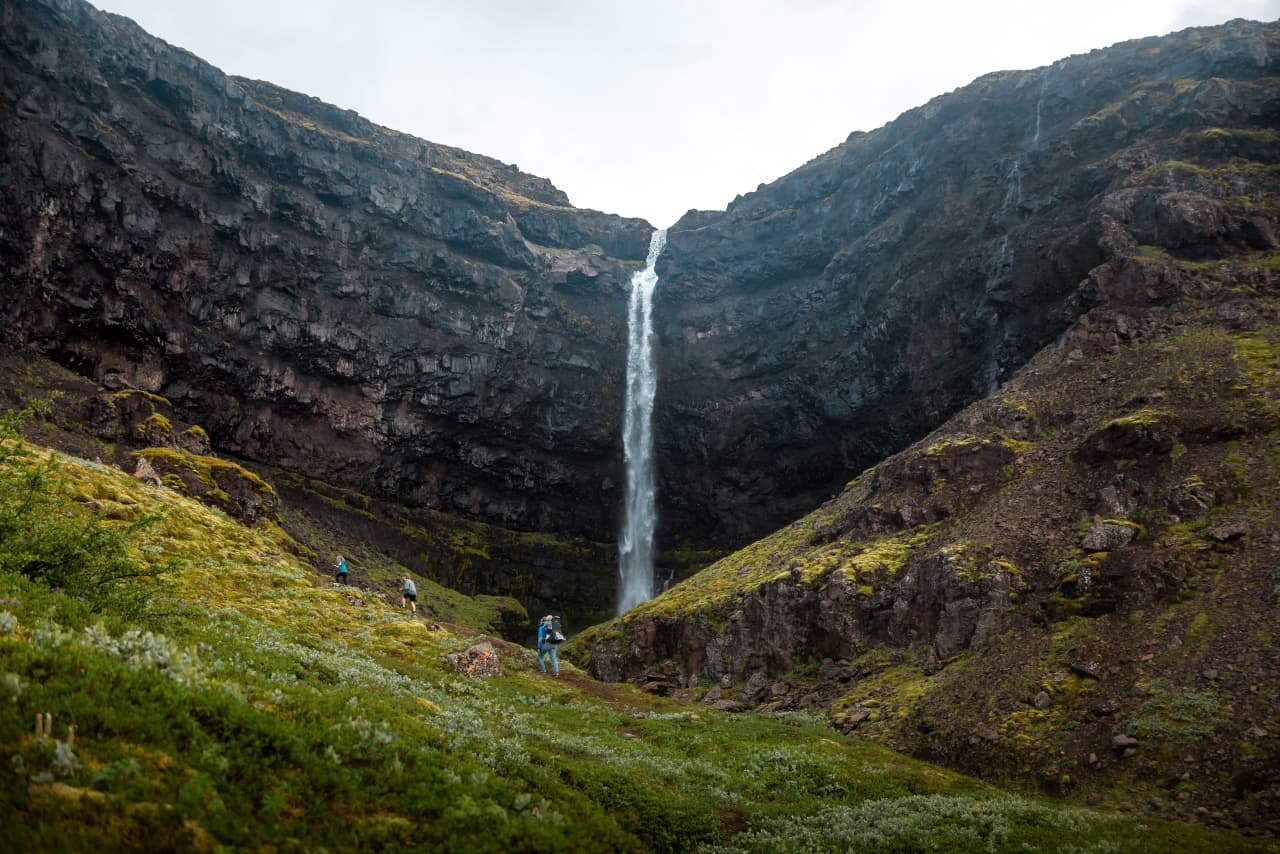 | Flögufoss | East Iceland | — | Discover East Iceland |
 | Folaldafoss | East Iceland | — | Worth the detour |
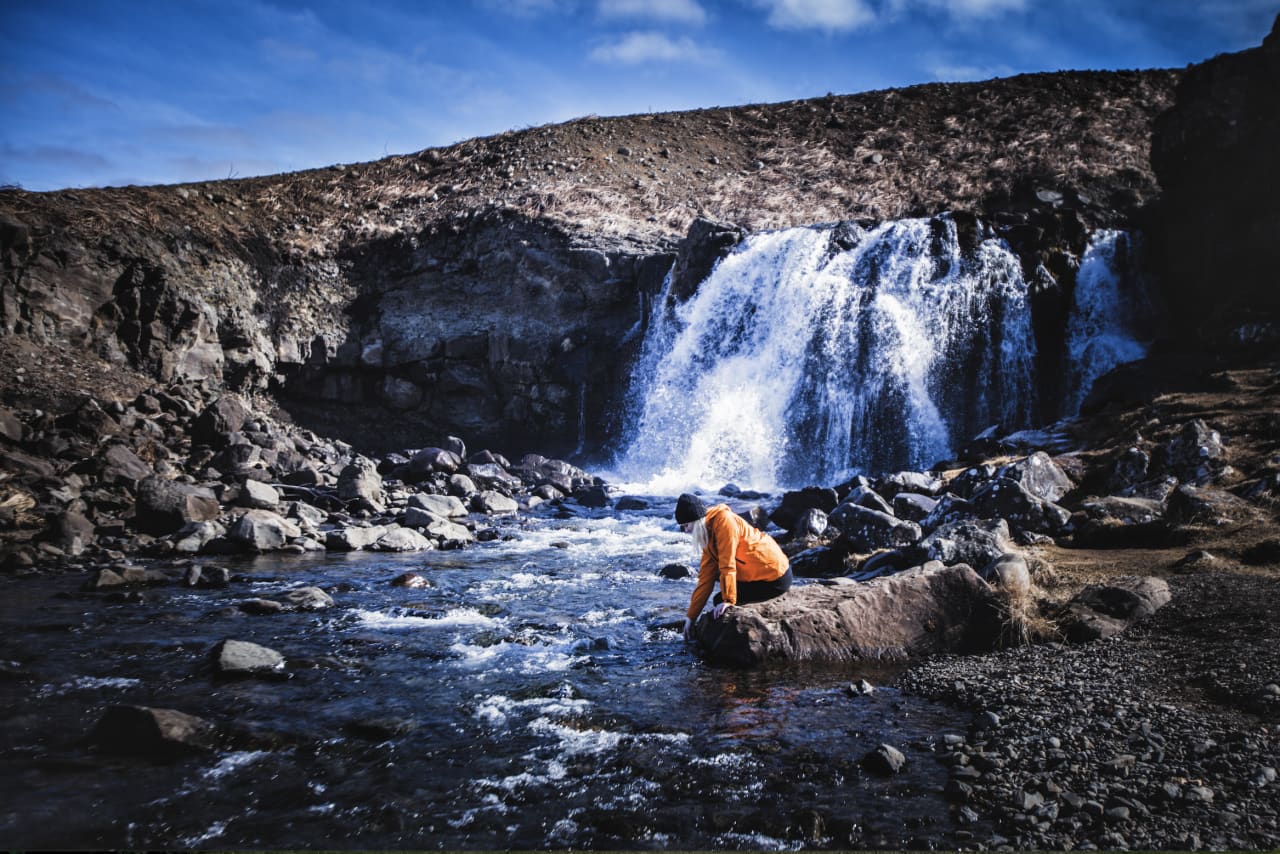 | Fossá | West Iceland | — | Waterfall in West Iceland |
 | Fosstorfufoss | South Coast | — | Nature's power on display |
 | Fremstifoss | East Iceland | — | Worth the detour |
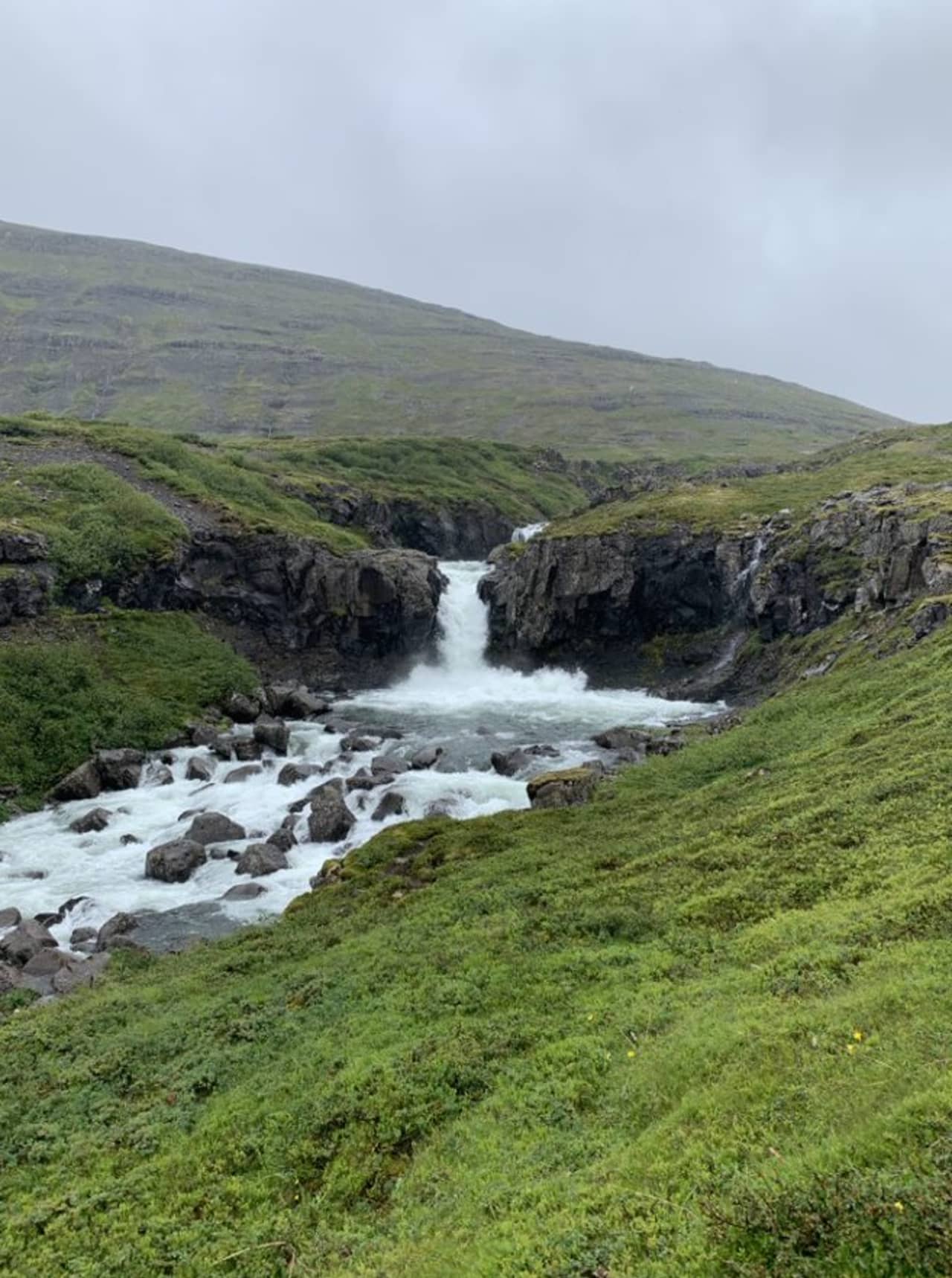 | Gervidalsá | Westfjords | — | Waterfall in Westfjords |
 | Giljafoss | West Iceland | — | Discover West Iceland |
 | Gjárfoss | South Coast | — | Nature's power on display |
 | Glanni | West Iceland | — | Worth the detour |
 | Gljúfrasmiður | North Iceland | — | Nature's power on display |
 | Gljúfurfoss | West Iceland | — | Worth the detour |
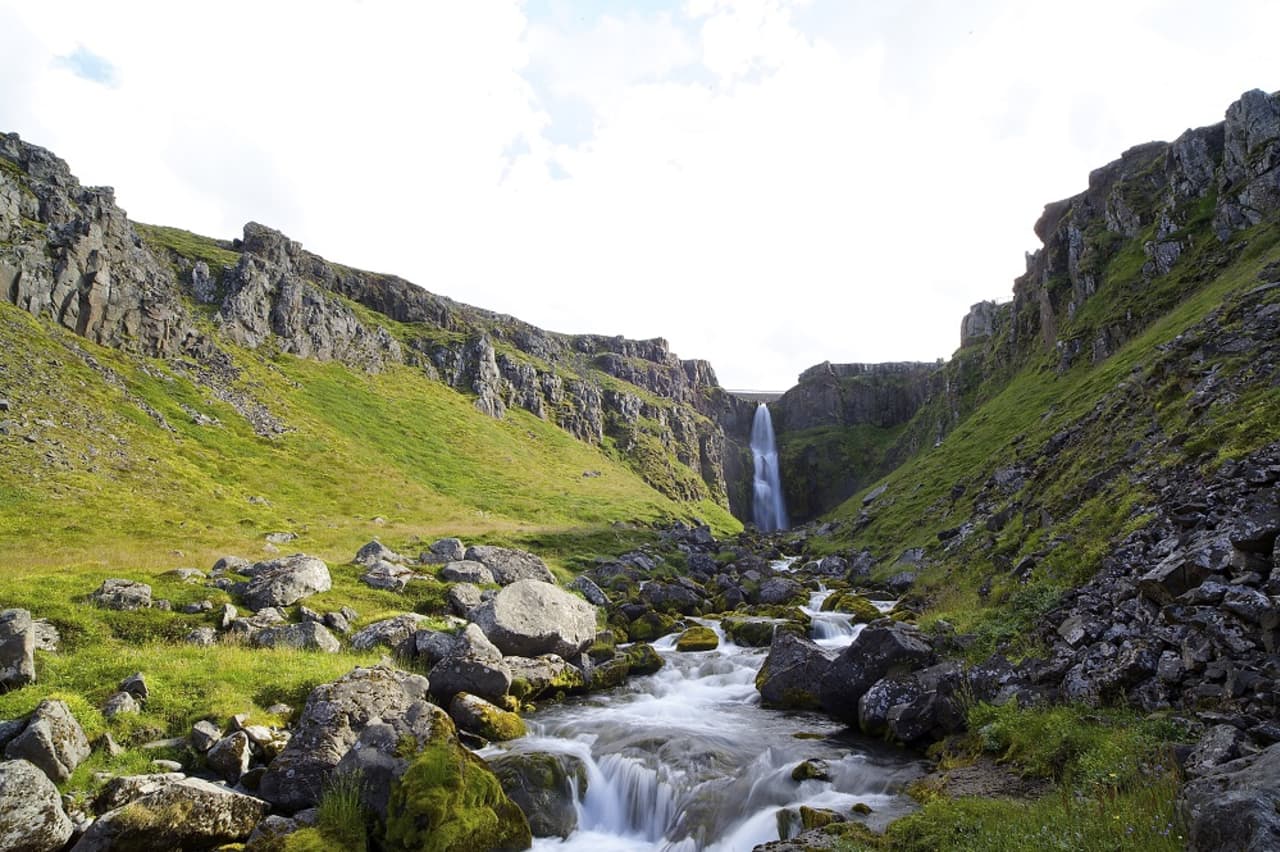 | Gljúfursárfoss | East Iceland | — | Discover East Iceland |
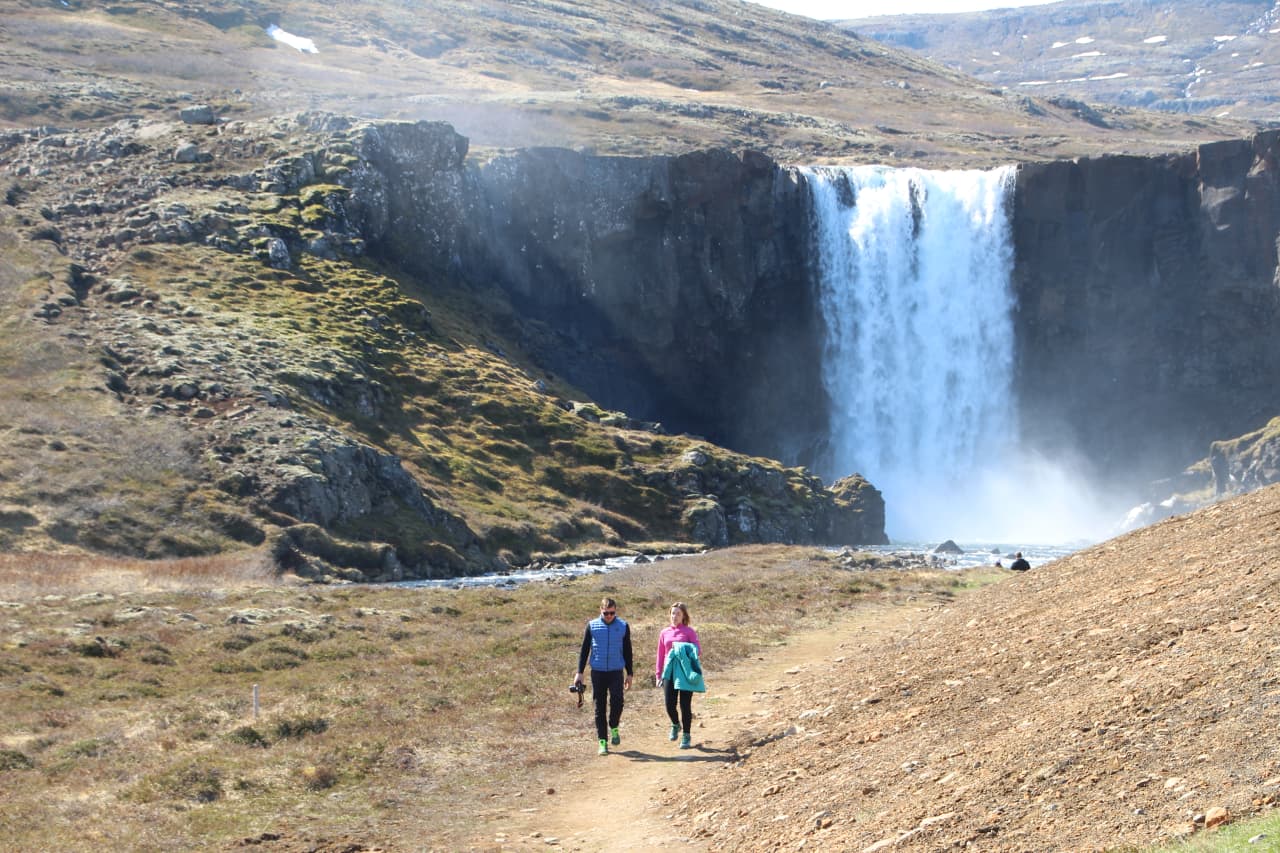 | Gufufoss | East Iceland | — | Nature's power on display |
 | Gýgjarfoss | Highlands | — | A quieter Highlands waterfall |
 | Hamrafoss | West Iceland | — | Discover West Iceland |
 | Helgufoss | Reykjavík Area | — | Discover the Capital Area |
 | Hestavaðsfoss | South Coast | — | Nature's power on display |
 | Hlauptungufoss | West Iceland | — | Discover West Iceland |
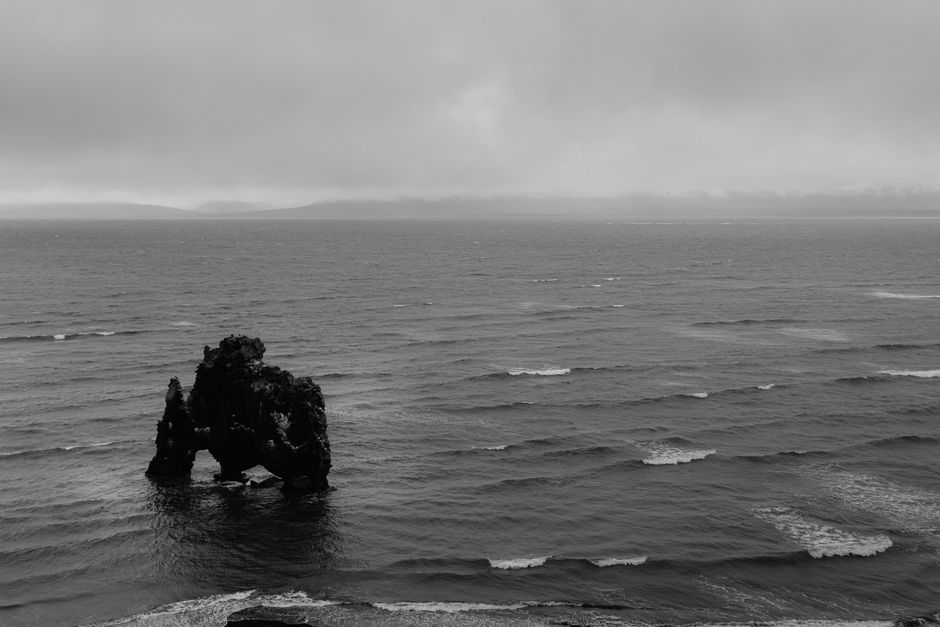 | Hvítserkur | West Iceland | — | A quieter West Iceland waterfall |
%20(3861829834).jpg?width=1600) | Ingvararfoss | North Iceland | — | Off the beaten path |
 | Írárfoss | South Coast | — | Nature's power on display |
 | Kerafossar | West Iceland | — | A quieter West Iceland waterfall |
 | Kerlingarfoss | West Iceland | — | Nature's power on display |
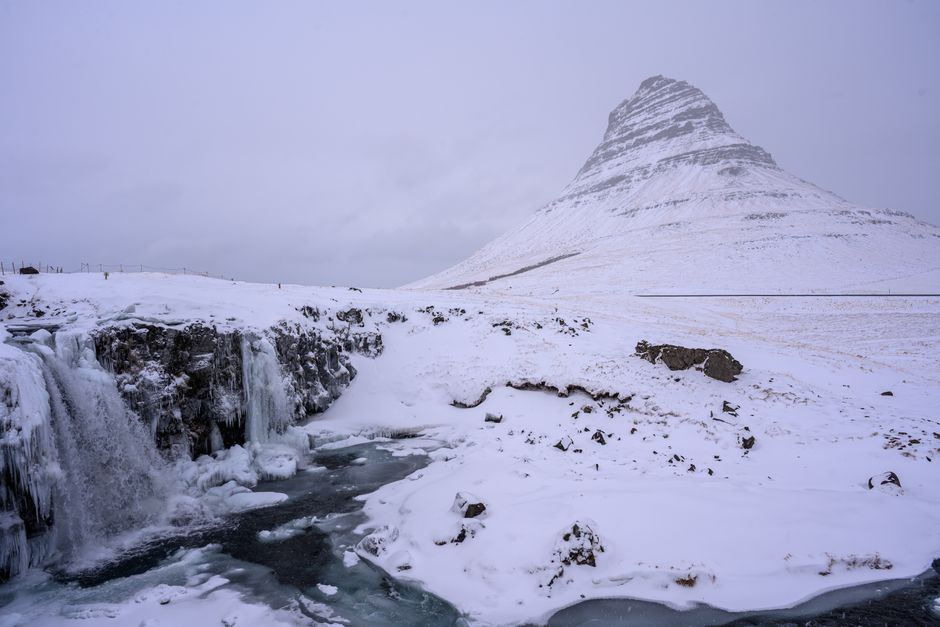 | Kirkjufoss | East Iceland | — | A quieter East Iceland waterfall |
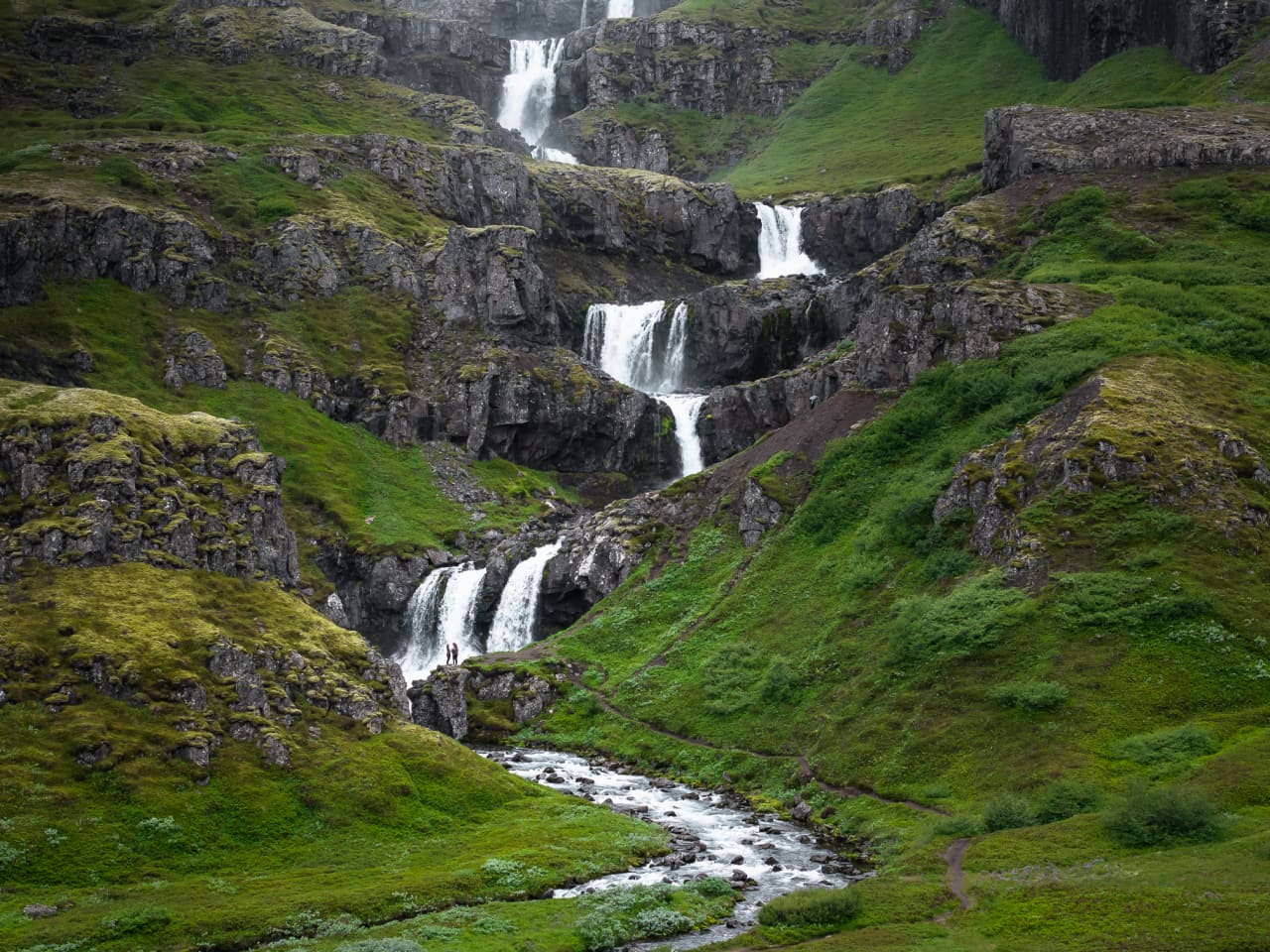 | Klifbrekkufossar | East Iceland | — | Worth the detour |
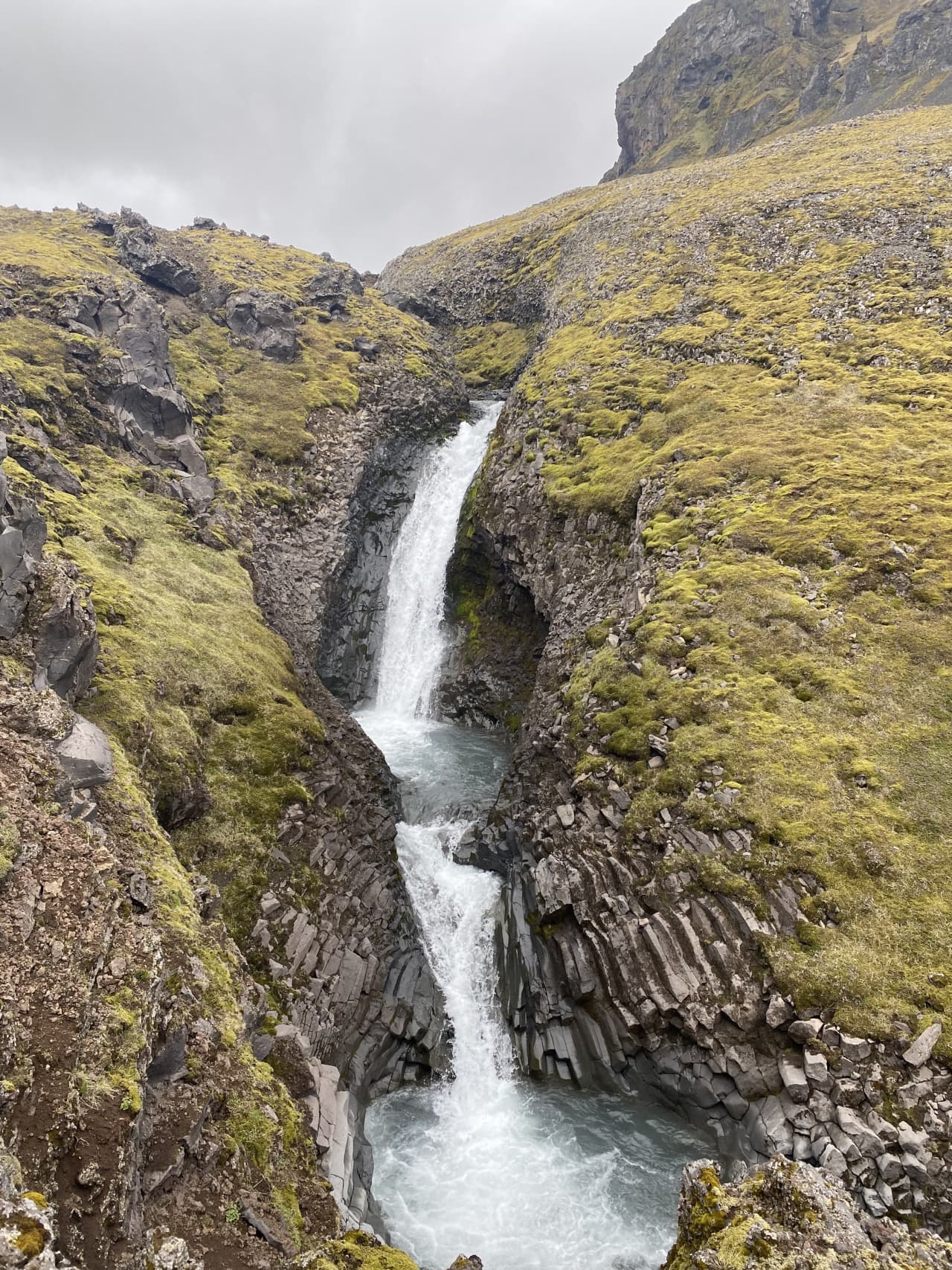 | Klukkufoss | West Iceland | — | A quieter West Iceland waterfall |
 | Laxfoss | West Iceland | — | Off the beaten path |
 | Midfoss | West Iceland | — | Off the beaten path |
 | Miðfoss | South Coast | — | A waterfall in South Coast. |
 | Mígandifoss | North Iceland | — | Worth the detour |
 | Mögárfoss | South Coast | — | Discover South Coast |
 | Rettárfoss | Westfjords | — | A quieter Westfjords waterfall |
 | Rjúkandafoss | West Iceland | — | Off the beaten path |
 | Rjúkandisfoss | Westfjords | — | Nature's power on display |
 | Sauðárfoss | East Iceland | — | A quieter East Iceland waterfall |
 | Selvalafoss | West Iceland | — | Worth the detour |
 | Sigöldufoss | South Coast | — | Worth the detour |
 | Sigöldugljúfur | South Coast | — | Discover South Coast |
%2C%20M%C3%BAlafjall%2C%20Dj%C3%BApivogur%2C%20Sj%C3%A1varfoss.jpg?width=1600) | Sjávarfoss | West Iceland | — | A quieter West Iceland waterfall |
 | Skiptárfoss | Westfjords | — | Worth the detour |
 | Skorhagafoss | West Iceland | — | Off the beaten path |
 | Skúlafoss | West Iceland | — | Discover West Iceland |
 | Skútafoss | East Iceland | — | Discover East Iceland |
 | Slæðufoss | South Coast | — | Discover South Coast |
 | Snekkjufoss | West Iceland | — | Worth the detour |
 | Stakkholtsgjá | South Coast | — | Nature's power on display |
 | Steinbogafoss | South Coast | — | Nature's power on display |
 | Stigafoss | South Coast | — | Discover South Coast |
 | Stjórnarfoss | South Coast | — | Off the beaten path |
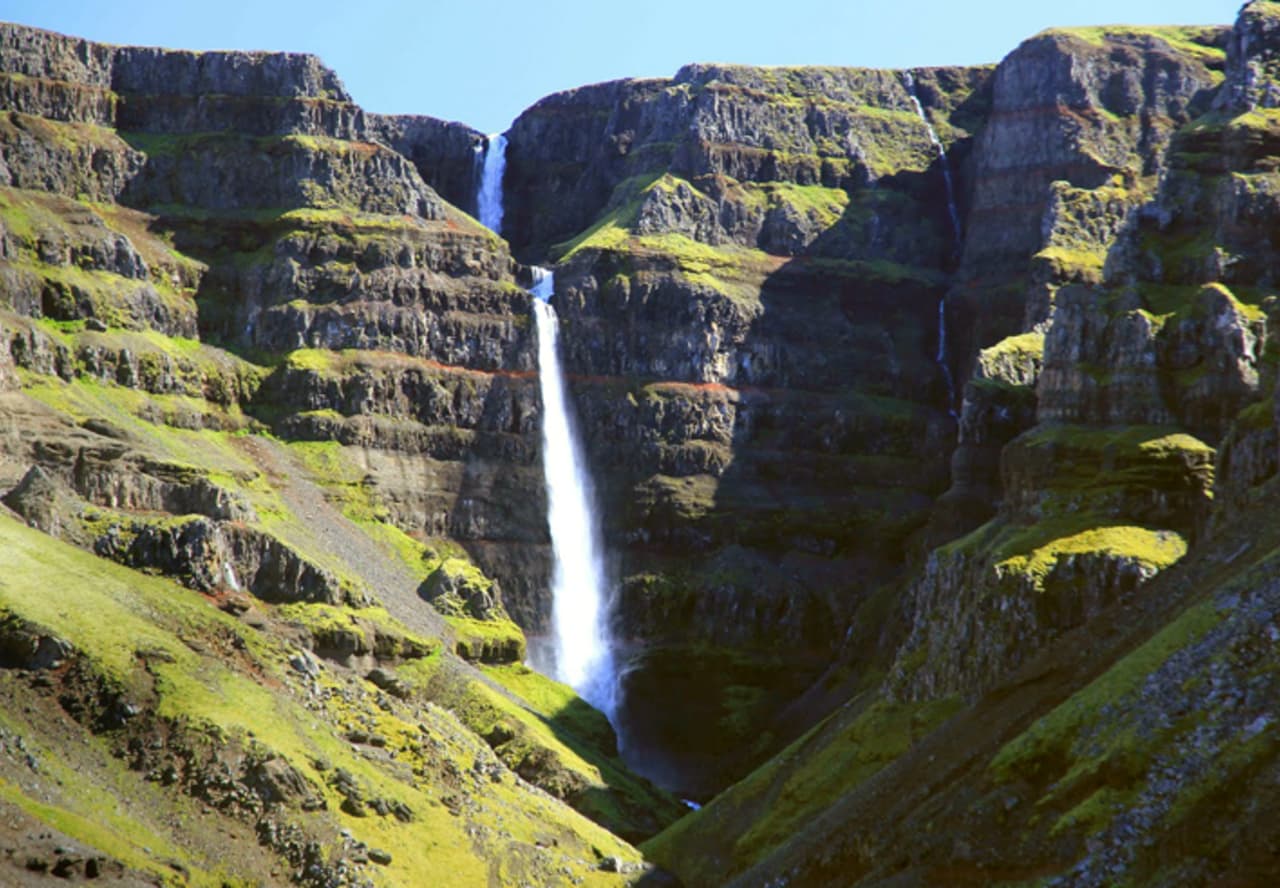 | Strútsfoss | East Iceland | — | A quieter East Iceland waterfall |
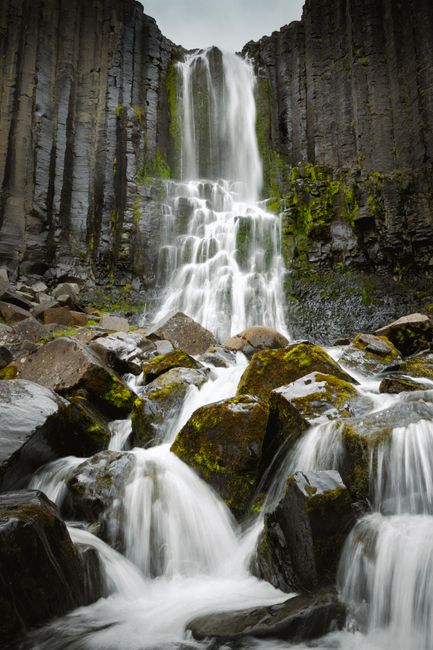 | Stuðlafoss | East Iceland | — | A quieter East Iceland waterfall |
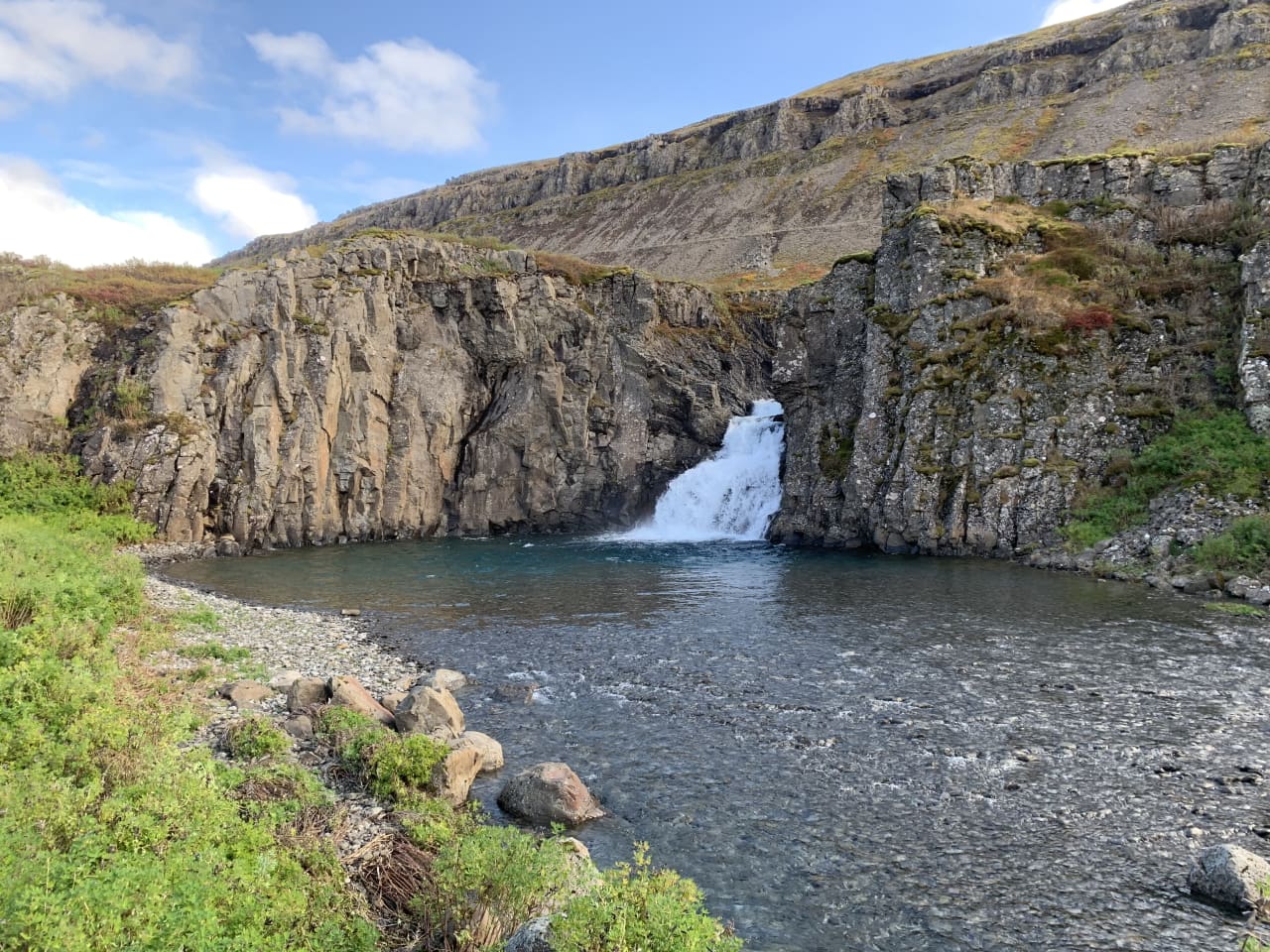 | Svuntufoss | Westfjords | — | A quieter Westfjords waterfall |
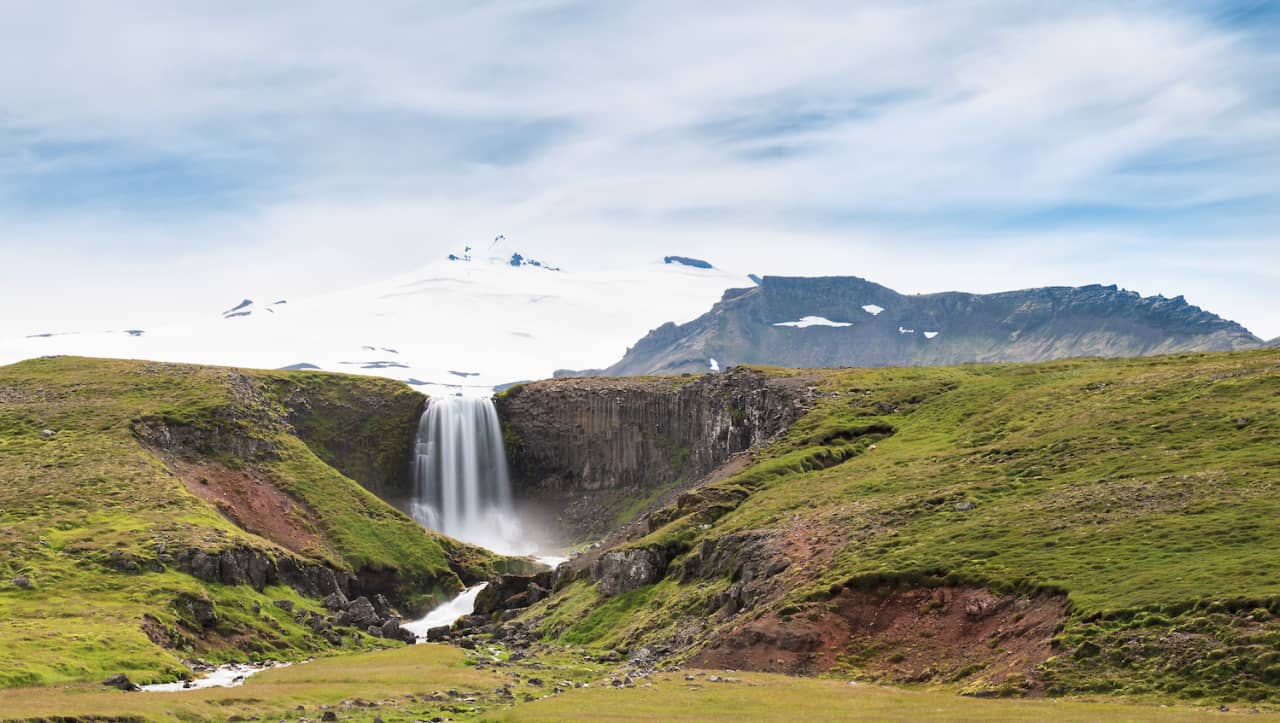 | Svöðufoss | West Iceland | — | Discover West Iceland |
 | Tröllafoss | Reykjavík Area | — | A quieter Capital Area waterfall |
 | Tröllkonuhlaup | South Coast | — | Discover South Coast |
 | Töfrafoss | East Iceland | — | Discover East Iceland |
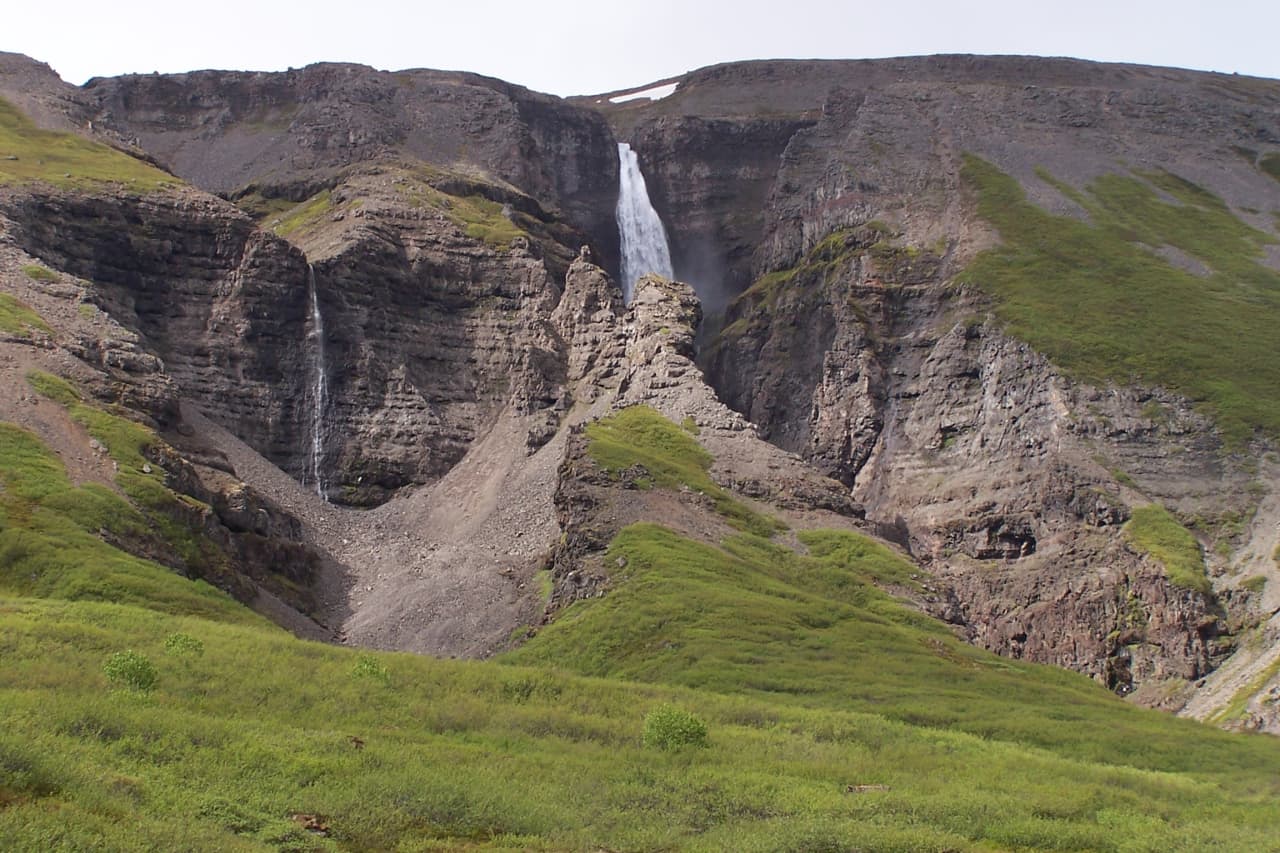 | Valagil | Westfjords | — | Off the beaten path |
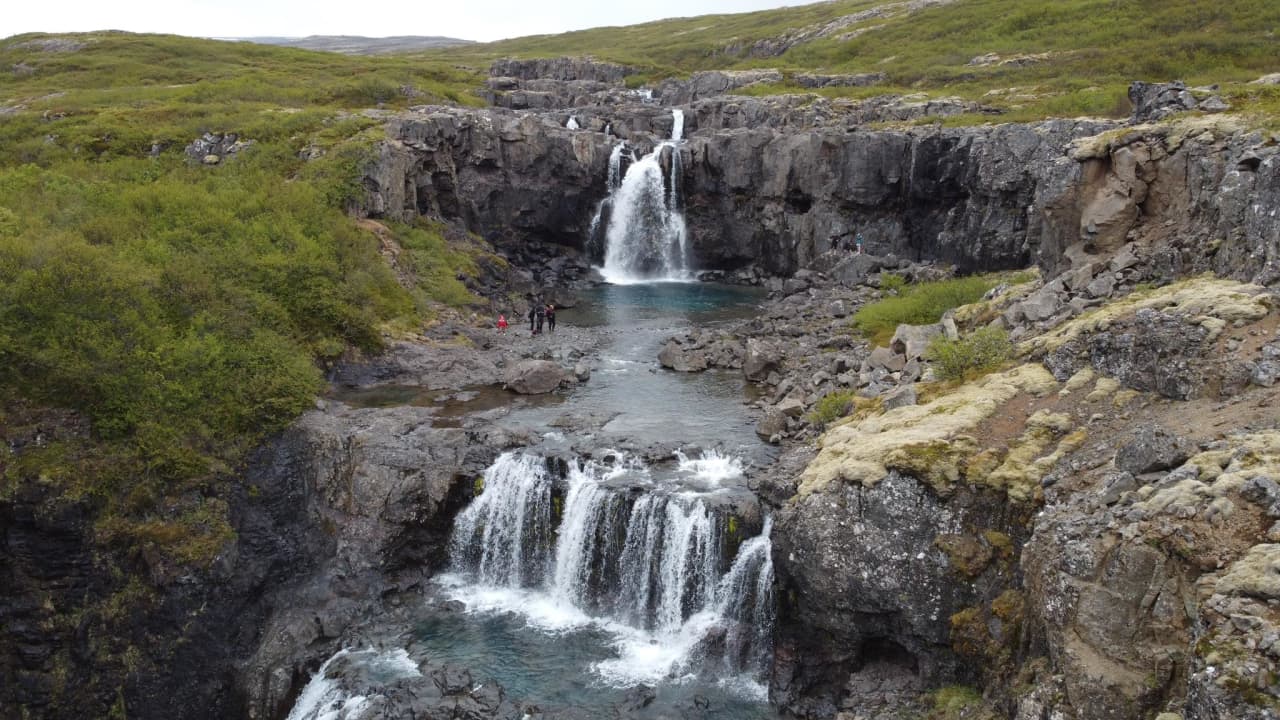 | Þingmannaá | Westfjords | — | Waterfall in Westfjords |
 | Þórðarfoss | South Coast | — | A quieter South Coast waterfall |
 | Æðarfossar | North Iceland | — | A quieter North Iceland waterfall |
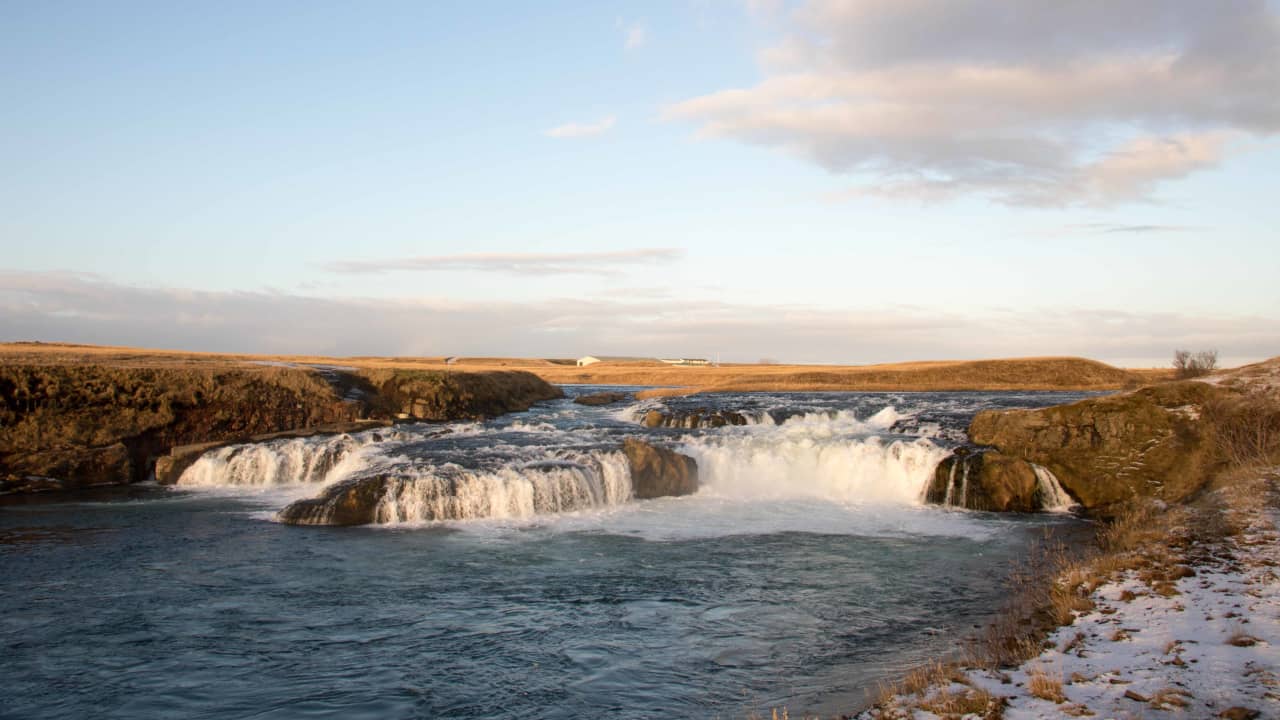 | Ægissíðufoss | South Coast | — | Off the beaten path |
| Langifoss | West Iceland | 122 m | Discover West Iceland | |
| Hverfandi | East Iceland | 100 m | Discover East Iceland | |
| Rjúkandi | North Iceland | 93 m | Nature's power on display | |
| Grundarfoss | West Iceland | 70 m | Worth the detour | |
| Drifandi | Westfjords | 50 m | A waterfall in Westfjords. | |
| Skálabrekkufoss | South Coast | 43 m | A quieter South Coast waterfall | |
| Snædalsfoss | East Iceland | 37 m | Worth the detour | |
| Drekafoss | North Iceland | 30 m | Discover North Iceland | |
| Hafragilsfoss | North Iceland | 27 m | Nature's power on display | |
| Markarfljótsfoss | South Coast | 17 m | Worth the detour | |
| Nauthúsafoss | South Coast | 7 m | Off the beaten path | |
| Geitafoss | North Iceland | 5.5 m | Discover North Iceland | |
| Hrafnabjargafoss | North Iceland | 5 m | Worth the detour | |
| Àlftafoss | Westfjords | — | Discover Westfjords | |
| Andakílsárfossar | West Iceland | — | Worth the detour | |
| Arnarfoss | West Iceland | — | Discover West Iceland | |
| Axlafoss | South Coast | — | Nature's power on display | |
| Árnesflúðir | South Coast | — | Worth the detour | |
| Bakkafoss | Westfjords | — | Discover Westfjords | |
| Bakkakotsfoss | West Iceland | — | Nature's power on display | |
| Bakkárfoss | West Iceland | — | A quieter West Iceland waterfall | |
| Baulufoss | West Iceland | — | Discover West Iceland | |
| Bellufoss | West Iceland | — | Discover West Iceland | |
| Beltisfoss | West Iceland | — | A quieter West Iceland waterfall | |
| Berghylsfoss | West Iceland | — | Off the beaten path | |
| Biniöfoss | South Coast | — | Discover South Coast | |
| Bláfjallakvísl | South Coast | — | Discover South Coast | |
| Bleiksárfoss | East Iceland | — | Off the beaten path | |
| Bólstaðafoss | East Iceland | — | Off the beaten path | |
| Bólugilsfoss | North Iceland | — | Off the beaten path | |
| Breiðholtsfoss | Reykjavík Area | — | Discover the Capital Area | |
| Breiðifoss | West Iceland | — | A quieter West Iceland waterfall | |
| Brynjudalsfoss | West Iceland | — | Discover West Iceland | |
| Bröttuhlíðarfoss | West Iceland | — | Worth the detour | |
| Bulafoss | Westfjords | — | Nature's power on display | |
| Bunárfoss | Westfjords | — | Discover Westfjords | |
| Búðafoss | South Coast | — | Nature's power on display | |
| Búrfoss | Reykjavík Area | — | Off the beaten path | |
| Bænahúsfoss | West Iceland | — | Worth the detour | |
| Dimmufoss | Highlands | — | Discover the Highlands | |
| Djúpagilsfoss | Reykjavík Area | — | Nature's power on display | |
| Drangur | West Iceland | — | Off the beaten path | |
| Draugagilsfoss | South Coast | — | Discover South Coast | |
| Drifandagil Waterfall | West Iceland | — | Worth the detour | |
| Dyrafoss | Reykjavík Area | — | Nature's power on display | |
| Efri-Foss | West Iceland | — | Discover West Iceland | |
| Efri-Stokkafoss | West Iceland | — | A quieter West Iceland waterfall | |
| Efrifoss | West Iceland | — | Nature's power on display | |
| Efrifossar | West Iceland | — | A quieter West Iceland waterfall | |
| Efstifoss | South Coast | — | Discover South Coast | |
| Eiríksfoss | West Iceland | — | A quieter West Iceland waterfall | |
| Eyjabakkafoss | East Iceland | — | Nature's power on display | |
| Eyrarfoss | West Iceland | — | Discover West Iceland | |
| Finnbogafoss | Westfjords | — | Off the beaten path | |
| Fjárdrápsfoss | East Iceland | — | Nature's power on display | |
| Flekkudalsfossar | Reykjavík Area | — | Worth the detour | |
| Foss í Bláskeggsá | West Iceland | — | Off the beaten path | |
| Fossinn | West Iceland | — | Off the beaten path | |
| Fosskotsfoss | West Iceland | — | Off the beaten path | |
| Fosslágarfoss | West Iceland | — | Nature's power on display | |
| Fremri-Fellsfoss | South Coast | — | Worth the detour | |
| Freyðandi | West Iceland | — | Discover West Iceland | |
| Fúsafoss | West Iceland | — | Nature's power on display | |
| Geldingafoss | North Iceland | — | Off the beaten path | |
| Gilsárfoss | East Iceland | — | A quieter East Iceland waterfall | |
| Gljúfurleitarfoss | Highlands | — | Off the beaten path | |
| Glúmsstaðafoss | Westfjords | — | Discover Westfjords | |
| Gnýpufoss | West Iceland | — | Discover West Iceland | |
| Grafarfoss | West Iceland | — | A quieter West Iceland waterfall | |
| Grófarlækjarfoss | South Coast | — | Worth the detour | |
| Göngumannafoss | Westfjords | — | Discover Westfjords | |
| Götufoss | West Iceland | — | Nature's power on display | |
| Hafnarfoss | West Iceland | — | A quieter West Iceland waterfall | |
| Hallandi | West Iceland | — | Nature's power on display | |
| Hallsteinsfoss | East Iceland | — | Discover East Iceland | |
| Háaleitisfoss | North Iceland | — | Nature's power on display | |
| Hellufoss | West Iceland | — | Discover West Iceland | |
| Hestadalsfoss | West Iceland | — | Nature's power on display | |
| Hestafoss | South Coast | — | Discover South Coast | |
| Hestagilsfoss | West Iceland | — | Nature's power on display | |
| Heyárfoss | West Iceland | — | Discover West Iceland | |
| Hjálmfoss | West Iceland | — | Discover West Iceland | |
| Holárfoss | North Iceland | — | Discover North Iceland | |
| Hólmárfossar | North Iceland | — | Off the beaten path | |
| Hólmsárfoss | South Coast | — | Worth the detour | |
| Hrafnagilsfoss | West Iceland | — | Discover West Iceland | |
| Hrauneyjafoss | South Coast | — | Nature's power on display | |
| Hrísbrekknafoss | West Iceland | — | A quieter West Iceland waterfall | |
| Hrísvaðsfoss | Westfjords | — | Off the beaten path | |
| Hrúthálsafoss | South Coast | — | Nature's power on display | |
| Huldufoss | South Coast | — | Discover South Coast | |
| Hundafossar | West Iceland | — | Worth the detour | |
| Hundsfoss | West Iceland | — | Discover West Iceland | |
| Húsárfoss | Westfjords | — | Discover Westfjords | |
| Hvalárfoss | Westfjords | — | A quieter Westfjords waterfall | |
| Hvanngiljafoss | Highlands | — | Discover the Highlands | |
| Hvarfsdalsfossar | West Iceland | — | Worth the detour | |
| Hverfjallsfoss | North Iceland | — | Discover North Iceland | |
| Hvítárfoss | South Coast | — | A quieter South Coast waterfall | |
| Hænsnafoss | West Iceland | — | A quieter West Iceland waterfall | |
| Hænubrekkufoss | East Iceland | — | Discover East Iceland | |
| Hæstahjallafoss | Westfjords | — | A quieter Westfjords waterfall | |
| Höfðafoss | West Iceland | — | Discover West Iceland | |
| Hörtlafoss | West Iceland | — | A quieter West Iceland waterfall | |
| Ingjaldsfossar | North Iceland | — | Discover North Iceland | |
| Innri-Fellsfoss | South Coast | — | A quieter South Coast waterfall | |
| Innstifoss | East Iceland | — | A quieter East Iceland waterfall | |
| Kambafoss | West Iceland | — | Discover West Iceland | |
| Kambsfoss | West Iceland | — | Discover West Iceland | |
| Kattafoss | West Iceland | — | Discover West Iceland | |
| Kálfafoss | West Iceland | — | Discover West Iceland | |
| Kálfgilsfoss | West Iceland | — | Off the beaten path | |
| Keilufoss | West Iceland | — | Discover West Iceland | |
| Kerin | West Iceland | — | A quieter West Iceland waterfall | |
| Kerlingafoss | West Iceland | — | Off the beaten path | |
| Kermóafossar | Reykjavík Area | — | Off the beaten path | |
| Ketubjörg | North Iceland | — | Discover North Iceland | |
| Kjúkufoss | West Iceland | — | Discover West Iceland | |
| Kleppafoss | West Iceland | — | A quieter West Iceland waterfall | |
| Kleppagilsfoss | West Iceland | — | Discover West Iceland | |
| Klettsfoss | West Iceland | — | A quieter West Iceland waterfall | |
| Kollafjarðarárfoss | Reykjavík Area | — | Nature's power on display | |
| Kornsa Waterfalls | North Iceland | — | Off the beaten path | |
| Króarfoss | Reykjavík Area | — | Discover the Capital Area | |
| Krókadælarflúð | South Coast | — | Discover South Coast | |
| Króksfoss | South Coast | — | Discover South Coast | |
| Kúafoss | West Iceland | — | Off the beaten path | |
| Kúhallarfoss | West Iceland | — | Off the beaten path | |
| Kvernárfoss | West Iceland | — | Worth the detour | |
| Kvíafoss | West Iceland | — | Nature's power on display | |
| Kvíslafoss | West Iceland | — | A quieter West Iceland waterfall | |
| Kvíslarfoss | Westfjords | — | Worth the detour | |
| Kæfufoss | South Coast | — | Nature's power on display | |
| Lagarfoss | East Iceland | — | Discover East Iceland | |
| Lambafoss | East Iceland | — | Discover East Iceland | |
| Lambafossar | West Iceland | — | Worth the detour | |
| Lambárfoss | West Iceland | — | A quieter West Iceland waterfall | |
| Lambhagafoss | West Iceland | — | Off the beaten path | |
| Landsendafoss | North Iceland | — | Nature's power on display | |
| Langárfoss | West Iceland | — | A quieter West Iceland waterfall | |
| Laugufoss | Westfjords | — | Discover Westfjords | |
| Lágifoss | West Iceland | — | Nature's power on display | |
| Leirárfoss | West Iceland | — | A quieter West Iceland waterfall | |
| Leyningsfoss | North Iceland | — | Off the beaten path | |
| Litli-Foss | Reykjavík Area | — | A quieter Capital Area waterfall | |
| Litlifoss | West Iceland | — | Discover West Iceland | |
| Ljósafoss | South Coast | — | Discover South Coast | |
| Ljósáfoss | East Iceland | — | Discover East Iceland | |
| Lónfoss | Westfjords | — | Off the beaten path | |
| Lækjarfoss | West Iceland | — | A quieter West Iceland waterfall | |
| Mannskaðafoss | Reykjavík Area | — | Nature's power on display | |
| Maríuerlufoss | West Iceland | — | Nature's power on display | |
| Menglaðarfoss | East Iceland | — | Nature's power on display | |
| Merkjafoss | West Iceland | — | A quieter West Iceland waterfall | |
| Mígandi | West Iceland | — | Off the beaten path | |
| Mógilsfoss | West Iceland | — | A quieter West Iceland waterfall | |
| Mórildisfoss | Westfjords | — | Off the beaten path | |
| Múlafoss | East Iceland | — | Nature's power on display | |
| Mýrarfoss | West Iceland | — | Discover West Iceland | |
| Möngufoss | Westfjords | — | Discover Westfjords | |
| Nafnlausifoss | South Coast | — | Nature's power on display | |
| Nautafoss | West Iceland | — | Discover West Iceland | |
| Nátthagafoss | West Iceland | — | Off the beaten path | |
| Neðri-Foss | West Iceland | — | A quieter West Iceland waterfall | |
| Neðri-Stokkafoss | West Iceland | — | Worth the detour | |
| Neðstifoss | South Coast | — | A quieter South Coast waterfall | |
| Norðlingafoss | West Iceland | — | Nature's power on display | |
| Núpsárfoss | South Coast | — | A quieter South Coast waterfall | |
| Nýifoss | Highlands | — | Off the beaten path | |
| Olnbogafoss | West Iceland | — | Worth the detour | |
| Ólafsdalsfossar | West Iceland | — | A quieter West Iceland waterfall | |
| Ósfossar | West Iceland | — | Nature's power on display | |
| Paradísarfoss | West Iceland | — | Nature's power on display | |
| Pennugil | Westfjords | — | Nature's power on display | |
| Pokafoss | West Iceland | — | A waterfall in West Iceland. | |
| Rangárbotnar | South Coast | — | Off the beaten path | |
| Rauðárfoss | South Coast | — | A quieter South Coast waterfall | |
| Rauðfeldsgjá | West Iceland | — | Off the beaten path | |
| Rauðfossar | West Iceland | — | A quieter West Iceland waterfall | |
| Rauðifoss | South Coast | — | Discover South Coast | |
| Rauðufossar | South Coast | — | Worth the detour | |
| Reiðingskofafoss | West Iceland | — | Worth the detour | |
| Remundargilsfossi | South Coast | — | Off the beaten path | |
| Réttarfoss | North Iceland | — | A quieter North Iceland waterfall | |
| Rjomafoss | West Iceland | — | Discover West Iceland | |
| Rollutorfufoss | South Coast | — | Discover South Coast | |
| Runufoss | Highlands | — | Nature's power on display | |
| Selárfoss | East Iceland | — | Discover East Iceland | |
| Selásfoss | Reykjavík Area | — | Discover the Capital Area | |
| Selhólsfoss | West Iceland | — | Worth the detour | |
| Selsmýrarfoss | West Iceland | — | Nature's power on display | |
| Seltungufoss | North Iceland | — | Off the beaten path | |
| Selvaðsfoss | South Coast | — | Worth the detour | |
| Silfurfoss | South Coast | — | A quieter South Coast waterfall | |
| Sionyfoss | South Coast | — | Discover South Coast | |
| Skáfoss | West Iceland | — | Off the beaten path | |
| Skáfossar | Reykjavík Area | — | Discover the Capital Area | |
| Skeiðflatafoss | West Iceland | — | Discover West Iceland | |
| Skeifárfoss | North Iceland | — | Worth the detour | |
| Skínandi | Highlands | — | Nature's power on display | |
| Skorárfoss | West Iceland | — | A quieter West Iceland waterfall | |
| Skúti | West Iceland | — | A quieter West Iceland waterfall | |
| Staðarfoss | West Iceland | — | A quieter West Iceland waterfall | |
| Staur | West Iceland | — | A quieter West Iceland waterfall | |
| Stekkjarfoss | West Iceland | — | Off the beaten path | |
| Stóragil | West Iceland | — | Nature's power on display | |
| Stóramelsfoss | West Iceland | — | Nature's power on display | |
| Stórhólsfoss | North Iceland | — | Off the beaten path | |
| Stóri-Þvergilsfoss | West Iceland | — | Nature's power on display | |
| Stórifoss | East Iceland | — | Discover East Iceland | |
| Strompgljúfrafoss | Westfjords | — | Off the beaten path | |
| Suðurárfoss | West Iceland | — | Worth the detour | |
| Sunnefjufoss | West Iceland | — | Off the beaten path | |
| Svartagil | East Iceland | — | Discover East Iceland | |
| Sveinstekksfoss | East Iceland | — | A quieter East Iceland waterfall | |
| Tjarnarlækjarfoss | West Iceland | — | Off the beaten path | |
| Torfdalsfoss | West Iceland | — | Off the beaten path | |
| Tófufoss | East Iceland | — | Nature's power on display | |
| Tröllafossar | West Iceland | — | Off the beaten path | |
| Tungnaárfellsfoss | South Coast | — | Off the beaten path | |
| Tungufoss | Reykjavík Area | — | Discover the Capital Area | |
| Ufsarfoss | East Iceland | — | Discover East Iceland | |
| Ullarfoss | Reykjavík Area | — | Discover the Capital Area | |
| Uxafótafoss | South Coast | — | Worth the detour | |
| Vaðfoss | West Iceland | — | Off the beaten path | |
| Vaðmálsfoss | West Iceland | — | Worth the detour | |
| Vegagilsfoss | West Iceland | — | Off the beaten path | |
| Veiðifoss | West Iceland | — | Waterfall in West Iceland | |
| Veitufoss | West Iceland | — | Discover West Iceland | |
| Vindássfoss | East Iceland | — | Worth the detour | |
| Víðigilsfoss | West Iceland | — | Off the beaten path | |
| Víkurfoss | East Iceland | — | Discover East Iceland | |
| Þrándarstaðafossar | West Iceland | — | Nature's power on display | |
| Þrífossar | West Iceland | — | Discover West Iceland | |
| Þverá;waterfull | North Iceland | — | A quieter North Iceland waterfall |


