




 Road
Road  Weather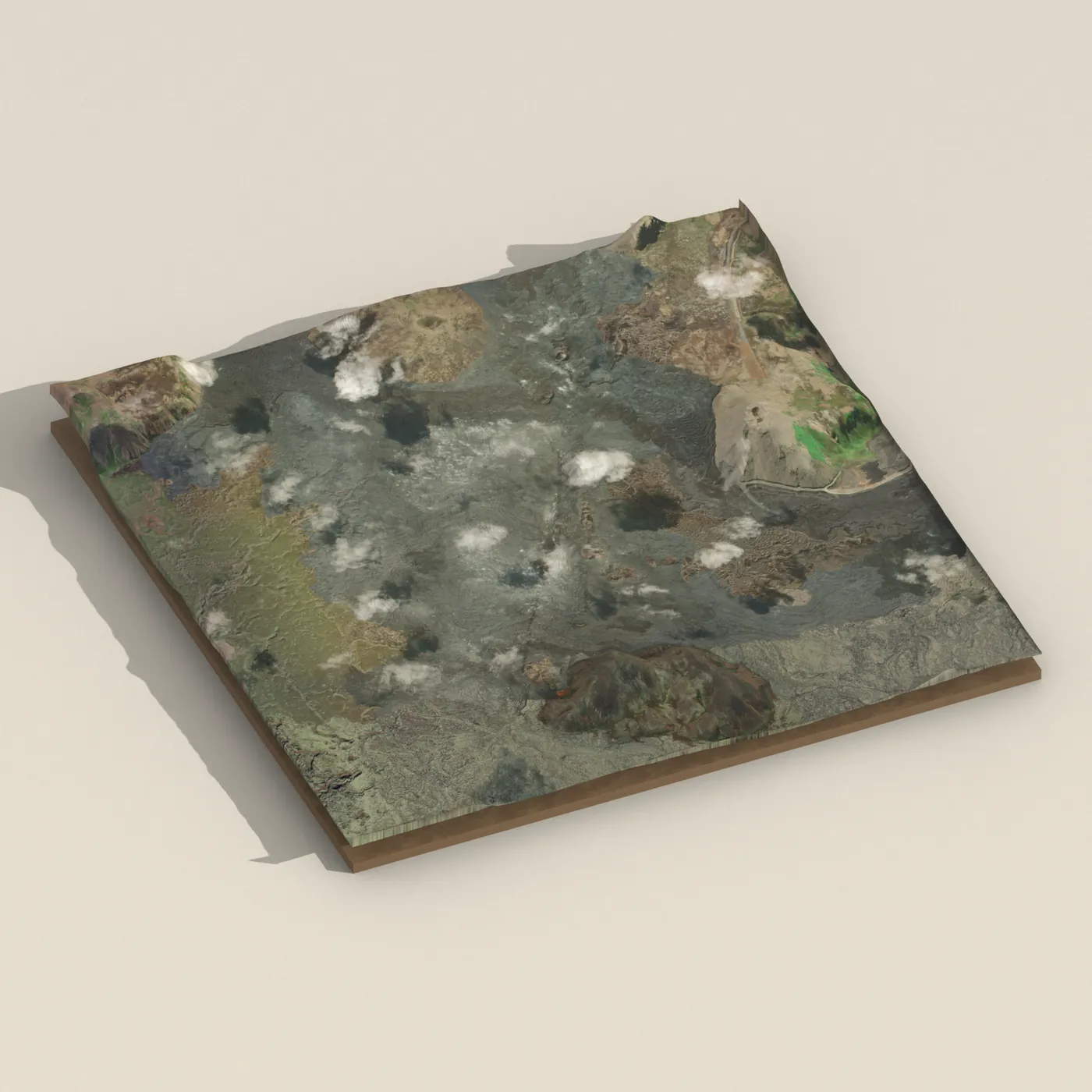
No photo of Gos í Sundhnúksgígum 2023 yet — be the first to add one


Map of Gos í Sundhnúksgígum 2023
Map
63.8843°N, 22.3786°W · Reykjanes Peninsula
Plan your visit
 Off the main road
- 2.1 km from Route 43
 Nearest town
- Grindavík — 5.6 km away
 Distance from Reykjavík
- 36 km in a straight line
 What else is close
- 308 mapped places within 20 km
Tours near Gos í Sundhnúksgígum 2023
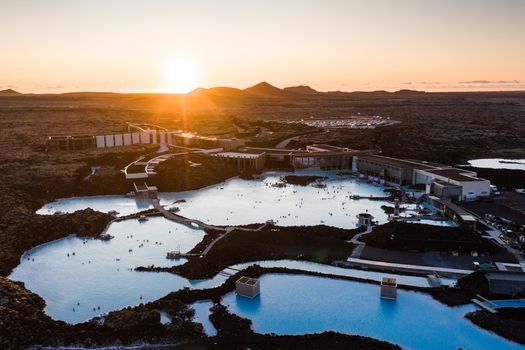 Blue Lagoon Admissionfrom 14.990 ISK · 3 h
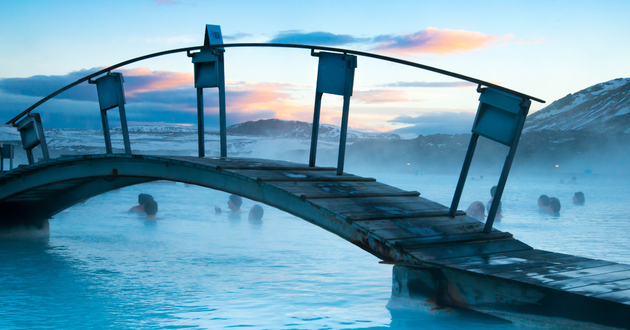 Blue Lagoon Transfer - Oneway Tourdeskfrom 27.000 ISK · 1 h
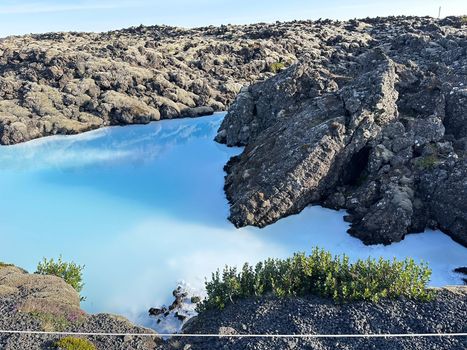 Blue Lagoon To keflavik Airportfrom 21.000 ISK · 30 min
 Blue Lagoon - Reykjavikfrom 25.000 ISK · 45 min
 Reykjavik - Blue Lagoonfrom 25.000 ISK · 45 min
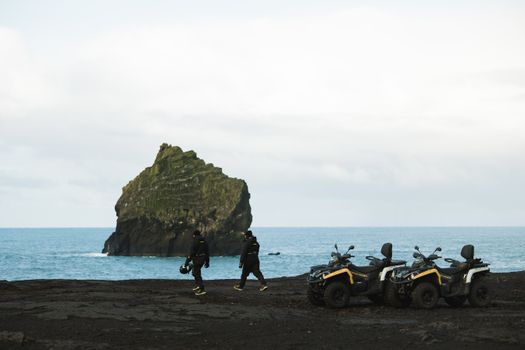 Trip to the Moon 3 to 4-hour ATV tourfrom 35.900 ISK · 4 h
 Lava Beach 2-hour ATV tourfrom 24.900 ISK · 2 h
 Midnight Sun Quad / Buggy tourfrom 24.900 ISK · 2 h
 1h Buggy Tour – Volcanic Trails of Grindavíkfrom 41.800 ISK · 1 hBlue Lagoon Admissionfrom 14.990 ISK · 3 h
 Blue Ice - Glacier Hike & Ice Climbing from Reykjavíkfrom 32.990 ISK · 13 h 30 min
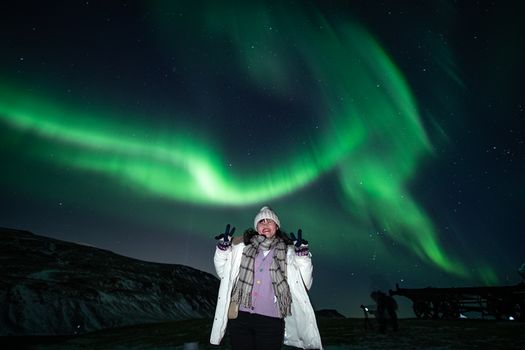 Spirit of the Aurora (28 person max vehicle)from 14.990 ISK · 5 hAll 1,648 toursBy activity and region
Gos í Sundhnúksgígum 2023 weather and conditions
Last updated
7°Covercast · feels 1°C8 m/sgusts 119 h 52 mdaylight · 08:19 – 18:11

Tonight
Northern lights forecast by region
Cars & campers
−12%exclusive discountFree cancellation KEF airport pickup 24/74.8
KEF airport pickup 24/74.8
 Transmission
 Fuel
Fuel Seats
Seats Drive
Drive

 Sleeps
Photos & videos

No photos or videos yet
Been to Gos í Sundhnúksgígum 2023? Help other travellers — add the first photo or video.
 Search YouTube
Nearby
km column = your drive
- 1
 Svartsengi3 km
 - 2Gos við Grindavík4 km
- 3
 Þorbjörn4 km
 - 4
 Geldingadalsgos 20215 km
 - 5
 Fagradalsfjall6 km

 Waterfalls
 Hot springs
- 1Geothermal hot spring near Grindavík5 km
- 2
Geothermal hot spring near Vogar11 km
- 3Geothermal hot spring near Njarðvík14 km

 Fuel
Fuel

 Supermarkets


 Tours
Tours
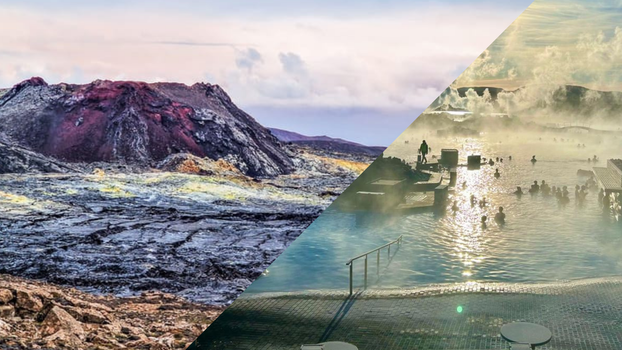 Arrival Day Private Tour - Reykjaness Day tour with Blue Lagoonfrom 218.750 ISK · 10 hours
 - Blue Lagoon Admissionfrom 14.990 ISK · 3 hours
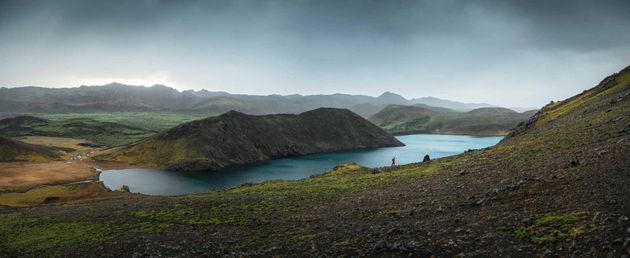 Day Trek beyond Seltun: A Vibrant Geothermal Wonderland, Mountains and Lakesfrom 19.068 ISK · 7 hours
Frequently
asked
questions
Is it safe to visit Gos í Sundhnúksgígum 2023?
Gos í Sundhnúksgígum 2023 is listed as an active volcano. Whether you can approach it depends entirely on current conditions — during an eruption, authorities set an exclusion zone and you must never cross a closure line. Check safetravel.is and the Icelandic Met Office (vedur.is) before you go, and follow all official instructions on site.
How do I get to Gos í Sundhnúksgígum 2023?
Gos í Sundhnúksgígum 2023 is in Reykjanes Peninsula. Check live road conditions on this page before you drive — highland access often needs a 4×4 and some routes only open in summer.
Can I hike Gos í Sundhnúksgígum 2023?
It depends on the volcano and current activity. Some Icelandic cones have short marked trails to the rim; others sit under glaciers or in closed areas and cannot be climbed without a guide. Never approach an active eruption unless the official viewing area is open — conditions change fast.
What should I know about volcanic gas near Gos í Sundhnúksgígum 2023?
Volcanic and geothermal areas can release sulphur dioxide and hydrogen sulphide, which are toxic in high concentrations and collect in low-lying spots. Stay on marked paths, leave immediately if you smell strong sulphur or feel unwell, and check the Met Office gas forecasts during any eruption.
Data & sources
Everything on this page comes from the sources below. Live feeds refresh automatically.
 VegagerðinVisitor access & practical facts
 VegagerðinLive road status & cameras · Icelandic Road Administration
 Open-MeteoWeather forecast · CC BY 4.0
 NOAA SWPCAurora (planetary Kp) forecast · public domain
 OpenStreetMapInteractive-map data · ODbL
 Esri, Maxar & Earthstar GeographicsSatellite imagery for the 3D terrain render · GIS User Community
Spotted an error, or have something to add? Help us keep this page accurate.
Iceland nowfrom 19 Sep 06:10