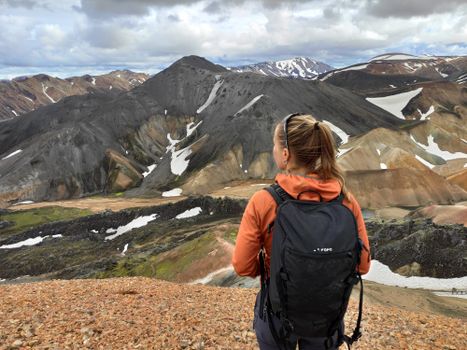
Iceland Winter Itinerary: 5 Days
The winter plan that actually fits the daylight — Golden Circle, South Coast, glacier lagoon — with today’s live road status on every driving day.
Five winter days in Iceland means the south-west, not the Ring Road. Day 1 the Blue Lagoon and Reykjavík, day 2 the Golden Circle, day 3 the South Coast to Vík, day 4 the Jökulsárlón glacier lagoon, day 5 back west to fly. All of it is paved and gritted year-round. What decides your trip is not the route — it is the daylight and the weather on the day, both of which are live below.
Ring Road (R1) slippery in placesHighlands: 16 of 66 monitored roads closed or impassableVegagerðin, updated just now
Why this plan and not the Ring Road
Every winter itinerary you will read recommends roughly these five days, and they are right. The reason is arithmetic: around the December solstice Reykjavík gets about four hours of sun above the horizon. A summer Ring Road day of 300 km and four stops becomes, in winter, 300 km of driving in the dark with the stops cut. The south-west works because the distances are short enough to fit inside the light.
What no other winter itinerary tells you is what today looks like. The pages ranking for this search were written months or years ago and print daylight as a constant and road conditions as an assurance. Below, every driving day carries the live, route-scoped verdict from Vegagerðin’s own feed, and the daylight figure is computed for today.
Aurora tonight: Unlikely tonight. The planetary Kp index is currently 1.3, and the clearest sky right now is over Reykjavík Area at 100% cloud cover. Tonight has about 15.4 hours of real darkness. Kp 1.3 is quiet 100% cloud — mostly overcast even at the clearest region Region-by-region detail is on the aurora forecast. Source: NOAA SWPC (Kp) and Open-Meteo (cloud cover).
The five days, with today’s conditions
Daylight today (26 October 2026), Reykjavík: 8 h 46 m of daylight, sunrise 08:49, sunset 17:35. That is how many hours each day below actually has.
- Day 1Land, collect the car, Reykjavík
Most winter flights land in the dark, and that is fine — day one is not a driving day. Collect the car at Keflavík, drive the 50 km into town, and spend what light there is on Reykjavík itself. If you want the Blue Lagoon, do it now, on the way in from the airport, rather than burning a whole daylight window on it later.
Winter tyres are mandatory on Icelandic rentals in season, so you will have them. Check the car for existing chips and photograph them before you leave the lot — our pickup checklist covers what actually matters.
Blue Lagoon: Good to go · 50 km · ~50 min from Reykjavík
Sleep: Reykjavík
- Day 2Golden Circle
Þingvellir, Geysir, Gullfoss — the loop that works year-round because it is paved and gritted, and because it is short enough to fit inside a winter day. In December that day is roughly four usable hours of light, so leave at first light rather than after breakfast, and treat the order as fixed: Þingvellir first, Gullfoss last.
The two stretches that close in storms are Mosfellsheiði (route 36) and Lyngdalsheiði (route 365). The verdict below is scoped to exactly this loop, so a closure out east never reddens it.
Golden Circle: Good to go · 250 km · 3–4 h round trip
Sleep: Reykjavík, or move east to Hvolsvöllur to shorten day 3
- Day 3South Coast to Vík
Seljalandsfoss, Skógafoss, Reynisfjara, Vík. In winter the waterfall paths ice over — the walk behind Seljalandsfoss is usually roped off, and the Skógafoss stairs are a genuine fall risk without spikes. Pack microspikes; they cost less than a taxi to the clinic.
The real hazard on this stretch is not ice, it is wind. The run under Eyjafjöll is one of the windiest roads in the country and gusts here bend car doors backwards — a damage class most insurance excludes. If the wind warning is up, hold the door with both hands or do not open it.
South Coast to Vík: Good to go · 186 km · ~2.5 h one way
Sleep: Vík
- Day 4Glacier lagoon and Diamond Beach
Jökulsárlón is about 370 km from Reykjavík, which is why day 3 ended in Vík — from there it is a manageable morning. Icebergs calve into the lagoon and wash up on the black sand opposite. This is also the day most people book an ice cave, which only exists as a winter product: caves are formed and re-surveyed each season, and the guided trip is the only lawful way in.
It is a long, committed drive in short light. Check the verdict for the whole stretch, not just the first hour of it.
Jökulsárlón Glacier Lagoon: Good to go · 370 km · ~4.5–5 h one way
Sleep: Vík again, or push back west toward Reykjavík
- Day 5Back to Reykjavík, fly home
Drive back west with slack in the schedule. Winter closures are usually measured in hours, not days, but they do not negotiate with your boarding time — leave a buffer, and if the forecast is bad, move to Reykjavík the night before rather than driving to the airport through a storm.
Iceland charges a per-kilometre road fee now rather than taxing fuel; on a five-day winter plan like this you will cover roughly 1,200–1,400 km. Our kilometre fee guide has the current rate and what your rental adds on top.
South Coast to Vík: Good to go · 186 km · ~2.5 h one way
Sleep: Home
Each driving day's verdict is live and scoped to that route only, verified 26 October, 20:11 Iceland time. Source: Vegagerðin (road.is). Distances and drive times are Vegagerðin figures, rounded. Daylight is computed from the standard sunrise equations for Reykjavík. Days without a scoped corridor say so rather than showing a status we do not hold.
| Day | Route | Driving distance | 4x4 required |
|---|---|---|---|
| Day 1 | Airport → Blue Lagoon → Reykjavík | ~50 km | No |
| Day 2 | Golden Circle loop | ~250 km | No |
| Day 3 | Reykjavík → Vík (South Coast) | ~186 km | No |
| Day 4 | Vík → Jökulsárlón → Vík | ~370 km one way from Reykjavík | No |
| Day 5 | Vík → Reykjavík → airport | ~186 km | No |
Distances are Vegagerðin figures, rounded. Nothing on this route legally requires a 4x4 — every winter rental carries mandatory studded or winter tyres, and that matters more than the drivetrain. The full argument is in do I need 4WD in Iceland.
What winter actually changes
Wind, not snow, is the thing that stops you. Iceland is not a deep snow country at sea level; it is a wind country. Gusts on the South Coast regularly exceed what a car door survives, and door damage is excluded from most rental cover. When a wind warning is up, the honest move is to change the day, not to drive it carefully.
Closures are hours, not days. A closed pass is normally reopened the same day once the plough gets through. Do not drive past a closure sign — it is illegal, and rescue costs are yours. Build one slack half-day into the plan and the whole trip stops being fragile.
All F-roads are shut. The highlands are closed for the winter, without exception and regardless of vehicle. Landmannalaugar, Þórsmörk and Askja are summer trips — see F-road opening dates for when they come back.
Ice caves are the one thing winter has that summer does not. They form each season inside the glaciers and are surveyed for safety before they open, which is why they are guided-only. Day 4 is where it fits.
Check on the morning, not the week before. The three surfaces that matter are the live road status on this page, is the Ring Road open, and the route-scoped verdicts on can I drive there today.
Frequently
asked questions
Is five days enough for Iceland in winter?
Can you drive the Ring Road in winter?
How many hours of daylight does Iceland get in winter?
Do I need a 4x4 for an Iceland winter itinerary?
Will I see the northern lights on a five-day winter trip?
What happens if a road closes during my trip?
Cars & campers
 KEF airport pickup 24/74.8
 Transmission
 Fuel
Fuel Seats
Seats Drive
Drive

 Sleeps
Tours near Iceland in winter
 Small groups
 Duration
 Highlights
 Type
Type