
Iceland Weather by Month
What the weather and daylight actually do across the year — temperature, rain and light for every month, so you can pick when to come.
Iceland is cool and changeable all year. July and August are warmest (around 13 °C in Reykjavík) with long days; December and January are darkest and iciest, near freezing. Rain falls year-round. Summer means long light and open roads; winter means aurora, short days and careful driving.
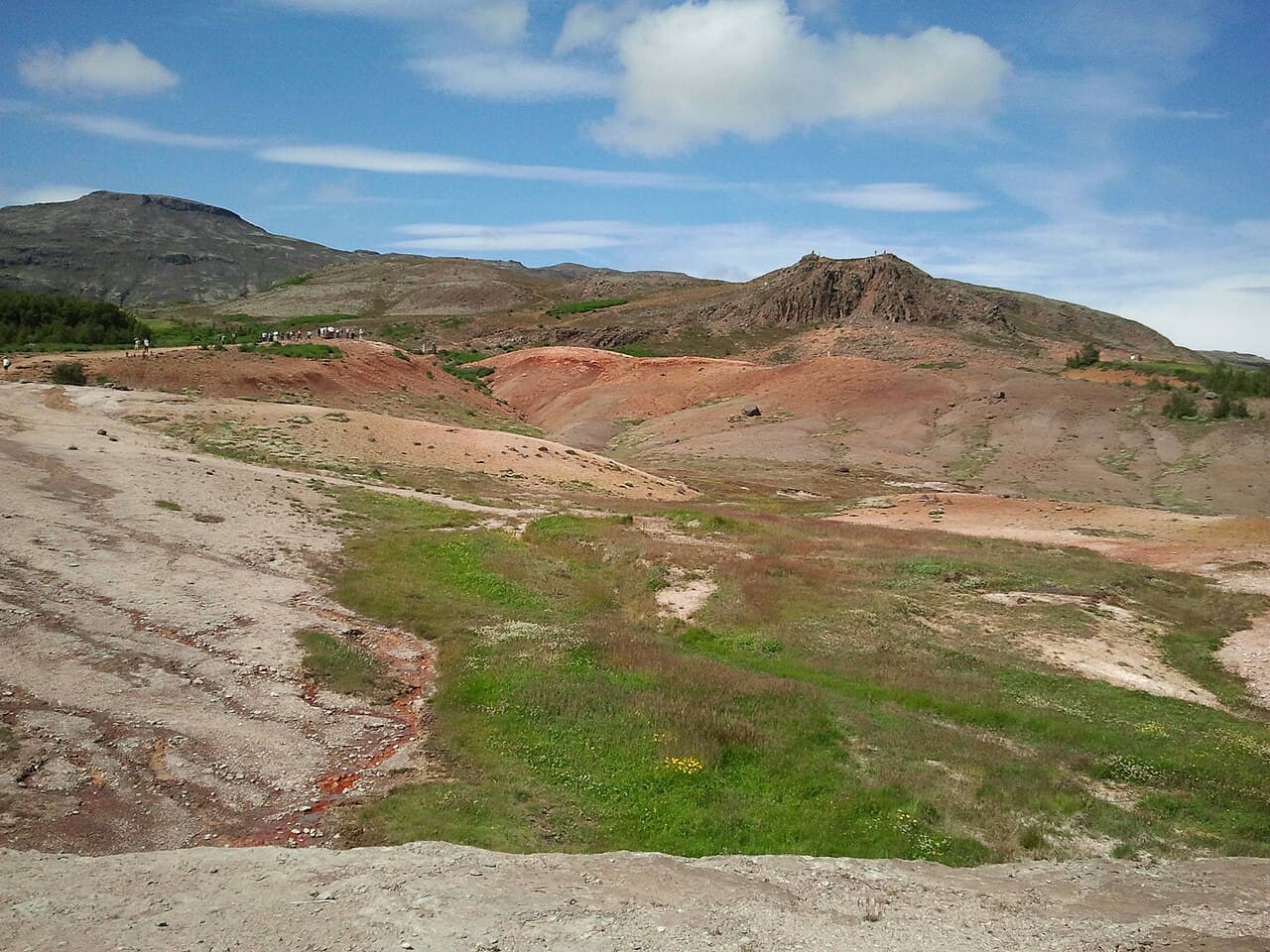
Iceland's weather has a reputation for changing every fifteen minutes, and the reputation is earned. But across the year there is a clear pattern, and knowing it is the difference between packing for the trip you imagined and packing for the one you get. This guide lays out the real month-by-month picture — temperature, rainfall and, just as importantly, how much daylight you get to drive and explore in.
Two things shape everything. First, the ocean: Iceland sits in the path of the Gulf Stream, so the lowlands stay milder than the latitude suggests — winters hover around freezing rather than plunging, and summers stay cool. Second, the latitude itself: at 64 °N the daylight swings from about four hours in December to about twenty-one in June, which changes how you plan a day far more than a couple of degrees of temperature ever will. Use the picker below to see any month at a glance, then read on for the seasons.
Iceland weather month by month
Pick a month to see its daylight, temperatures and rainfall for Reykjavík. Daylight is computed from the sunrise equation; temperature and rainfall are Icelandic Met Office (Veðurstofa Íslands) Reykjavík normals (1961–1990).
JulySummer
Daylight 19 h 51 mSun 03:38–23:29Avg high 13.3 °CAvg low 8.3 °CRain 52 mmWet days 10
Peak summer: the warmest month, the most roads and F-roads open, and long light for early or late driving. It is also the busiest and priciest, so book vehicles and rooms well ahead.
Daylight computed for the 15th at Reykjavík (astronomical sunrise/sunset). Temperature and rainfall: Icelandic Met Office (Veðurstofa Íslands), Reykjavík normals 1961–1990.
A note on the numbers: the daylight figures are computed with the standard astronomical sunrise equation for Reykjavík (Iceland stays on UTC year-round, so there is no daylight-saving shift), and the temperature and rainfall are the Icelandic Met Office Reykjavík station climate normals for 1961–1990. That is the reference period the Met Office publishes in its downloadable per-station table; the most recent decades average a little milder, so treat these as the settled baseline and check vedur.is for a live forecast. Reykjavík is the reference point — the north and the highlands run colder, and the south and west are wetter.

The four seasons, and what each is for
Iceland doesn't really do a gentle spring and autumn the way milder countries do — the shoulder months are short and can feel like an extension of winter or a preview of summer depending on the week. Still, each stretch of the year has a clear character and a clear best use.
#1.Summer (June–August): long light, open roads
temperature: high ~12–13 °Cdaylight: up to ~21 h daylightaccess: F-roads open
The warmest, brightest and busiest season. Reykjavík averages a high near 13 °C in July, the midnight sun means you can drive and hike at almost any hour, and the highland F-roads open as the snow clears — usually late June into July. It is also the most expensive time to rent and stay, so book early. For the full driving picture, read summer driving in Iceland, and for the light itself, the midnight sun.
#2.Autumn (September–October): colour and the aurora returns
temperature: high ~7–10 °Cdaylight: ~10–13 h daylightrainfall: wettest: Oct
As the nights darken the northern lights come back, the landscape turns, and the summer crowds thin out. October is the wettest month on the Reykjavík normals (about 86 mm), and the highlands start to close, so it is a lowland-and-Ring-Road season rather than an interior one. Weather turns changeable — keep an eye on the live alerts.
#3.Winter (November–March): aurora, ice and short days
temperature: high ~2–3 °Cdaylight: ~4–7 h daylightseason: ice caves & aurora
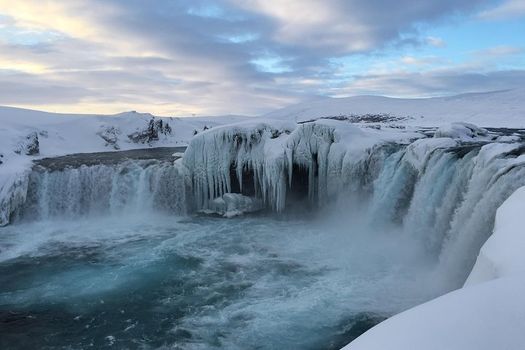
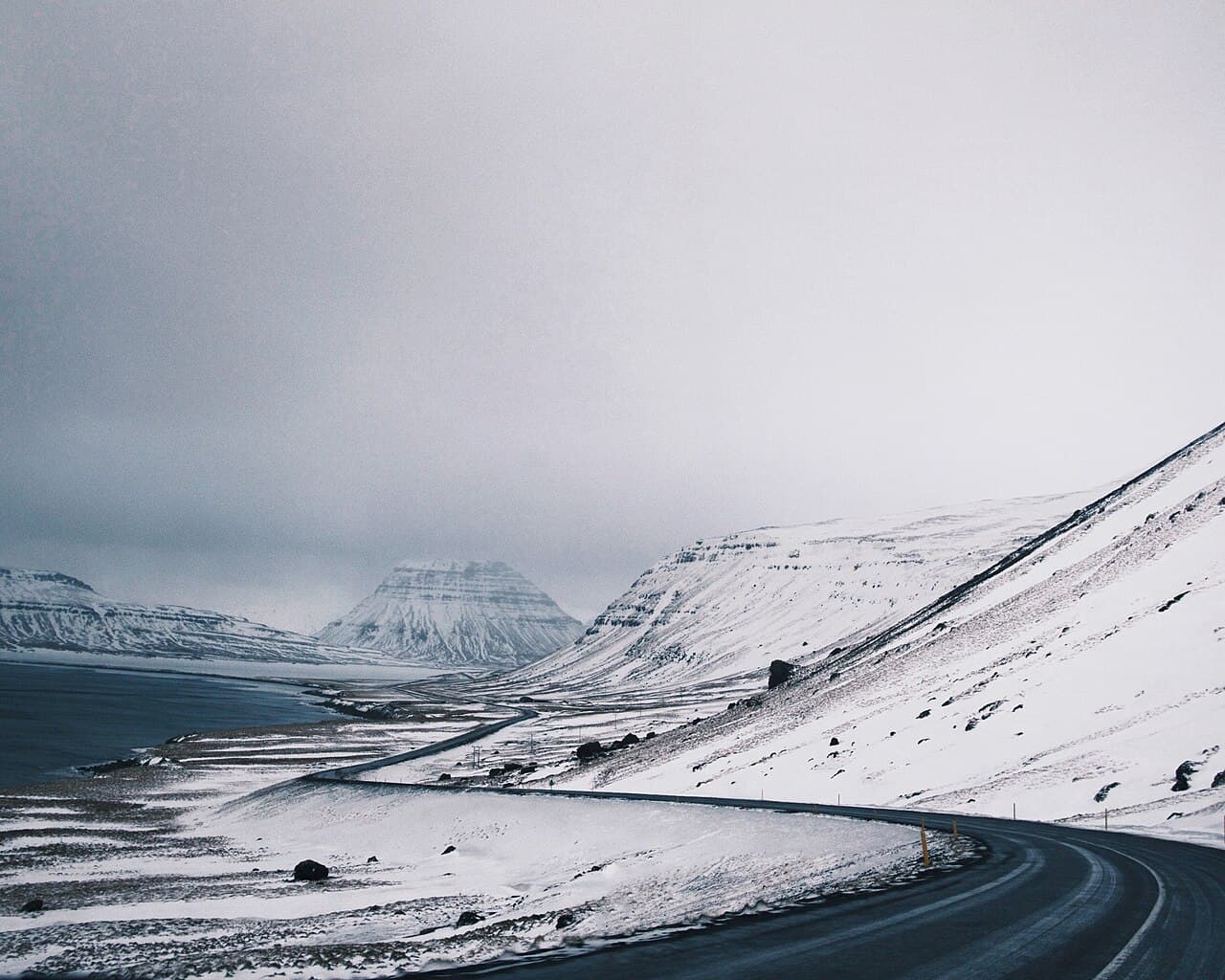
Dark, cold-ish and quiet, but with the biggest rewards: aurora, blue ice caves and near-empty sights. The hazard is not deep snow but wind, ice and the short driving window — near the December solstice Reykjavík gets only about four hours of usable light. Rent a 4WD, plan legs to finish before dark, and check conditions before each one. The full playbook is in winter driving in Iceland, and you can get a straight yes/no for your route with the can-I-drive tool.
#4.Spring (April–May): best value, fast-returning light
temperature: high ~6–9 °Cdaylight: ~15–18 h daylightrainfall: driest: May
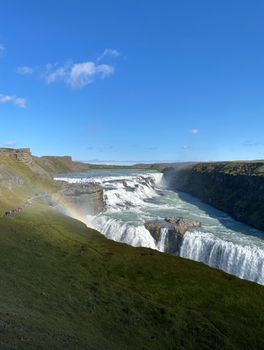
The quiet bargain of the year. May is the driest month on the normals, day overtakes night, waterfalls run full on the snowmelt, and prices sit below the summer peak. The catch: the highlands are still closed, so it is a paved-route season. It is one of the best times to see the big waterfalls at full flow without the July crowds.
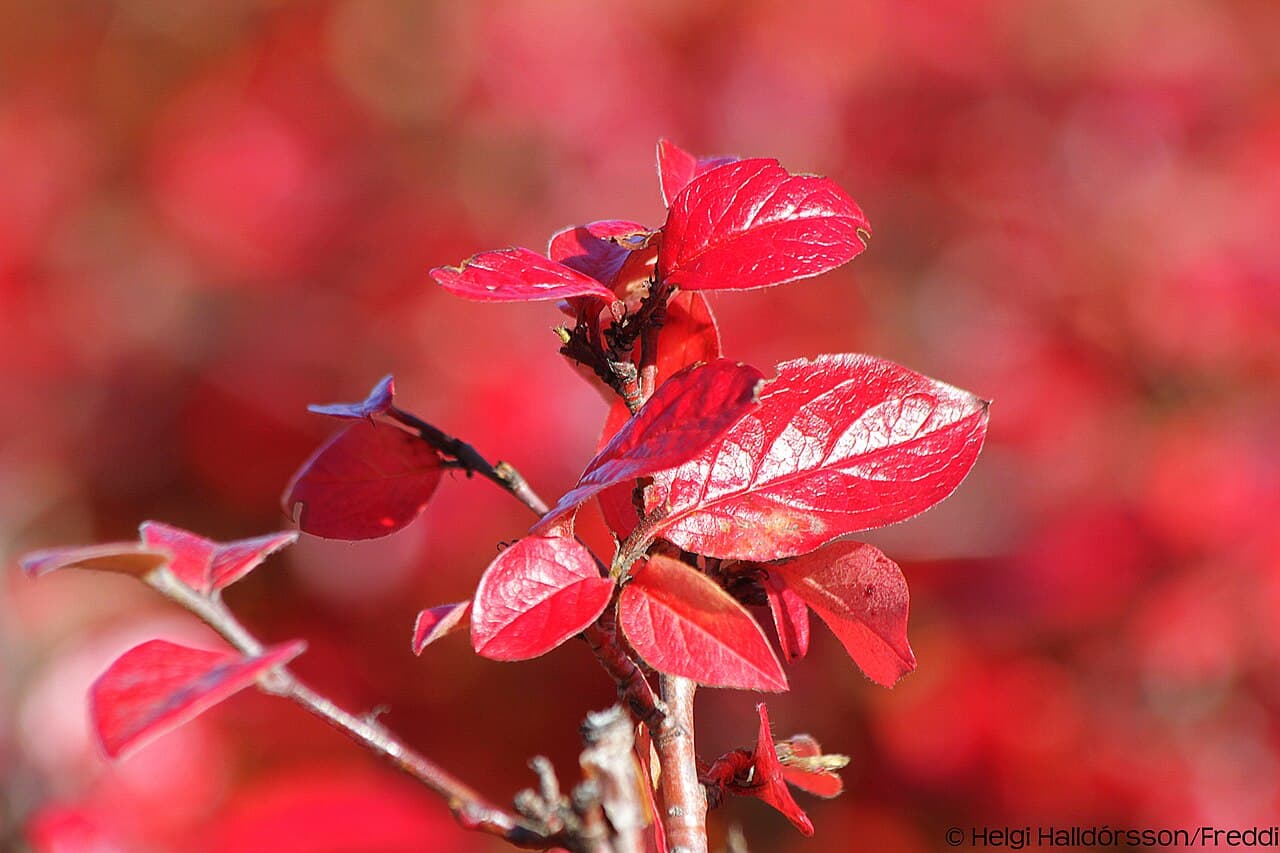
One country, several climates
These normals are for Reykjavík. The north and east are drier and sunnier, the south and west wetter, and the highlands colder and snowier than anywhere on the coast. Open the map to see the regions.
Weather varies as much by place as by month
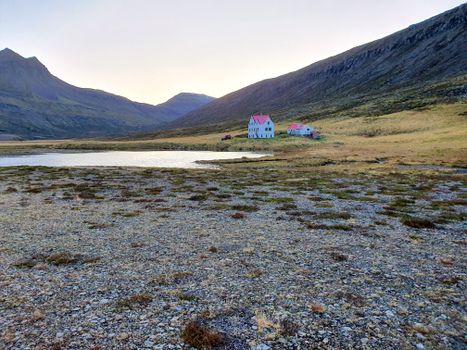
The figures above are for Reykjavík because it is the most-used reference point, but Iceland is not one climate. The south coast and the west catch the brunt of the Atlantic weather systems and are noticeably wetter — this is the rainy, green, waterfall-heavy side. Cross to the north and east, in the rain shadow of the interior, and it is drier, sunnier and often a few degrees warmer in summer: Akureyri and Mývatn can be basking while Reykjavík sits under drizzle.
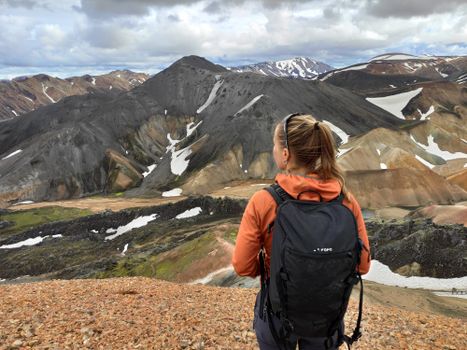
The highlands are their own world again — colder, snowier, and closed to traffic for much of the year. What all of this means in practice is simple: do not judge your whole trip by one region's forecast. Check the conditions for where you are actually going, on the day, using the alerts page and the live webcams — a clear sky over the capital tells you nothing about a squall waiting on the far side of a fjord.
Month-by-month daylight and temperature
| Month | Daylight | Avg high | Avg low | Rainfall |
|---|---|---|---|---|
| January | 5 h 19 m | 1.9 °C | -3.0 °C | 76 mm |
| February | 8 h 31 m | 2.8 °C | -2.1 °C | 72 mm |
| March | 11 h 35 m | 3.2 °C | -2.0 °C | 82 mm |
| April | 14 h 58 m | 5.7 °C | 0.4 °C | 58 mm |
| May | 18 h 17 m | 9.4 °C | 3.6 °C | 44 mm |
| June | 21 h 01 m | 11.7 °C | 6.7 °C | 50 mm |
| July | 19 h 51 m | 13.3 °C | 8.3 °C | 52 mm |
| August | 16 h 33 m | 13.0 °C | 7.9 °C | 62 mm |
| September | 13 h 11 m | 10.1 °C | 5.0 °C | 67 mm |
| October | 9 h 57 m | 6.8 °C | 2.2 °C | 86 mm |
| November | 6 h 37 m | 3.4 °C | -1.3 °C | 73 mm |
| December | 4 h 15 m | 2.2 °C | -2.8 °C | 79 mm |
Daylight is computed for the 15th of each month at Reykjavík; the temperature and rainfall columns are the Icelandic Met Office Reykjavík normals for 1961–1990. Notice how little the temperature moves — barely eleven degrees separate the warmest month from the coldest — against how wildly the daylight swings. In Iceland, the season you feel is written in the light far more than the thermometer.
So when should you come?
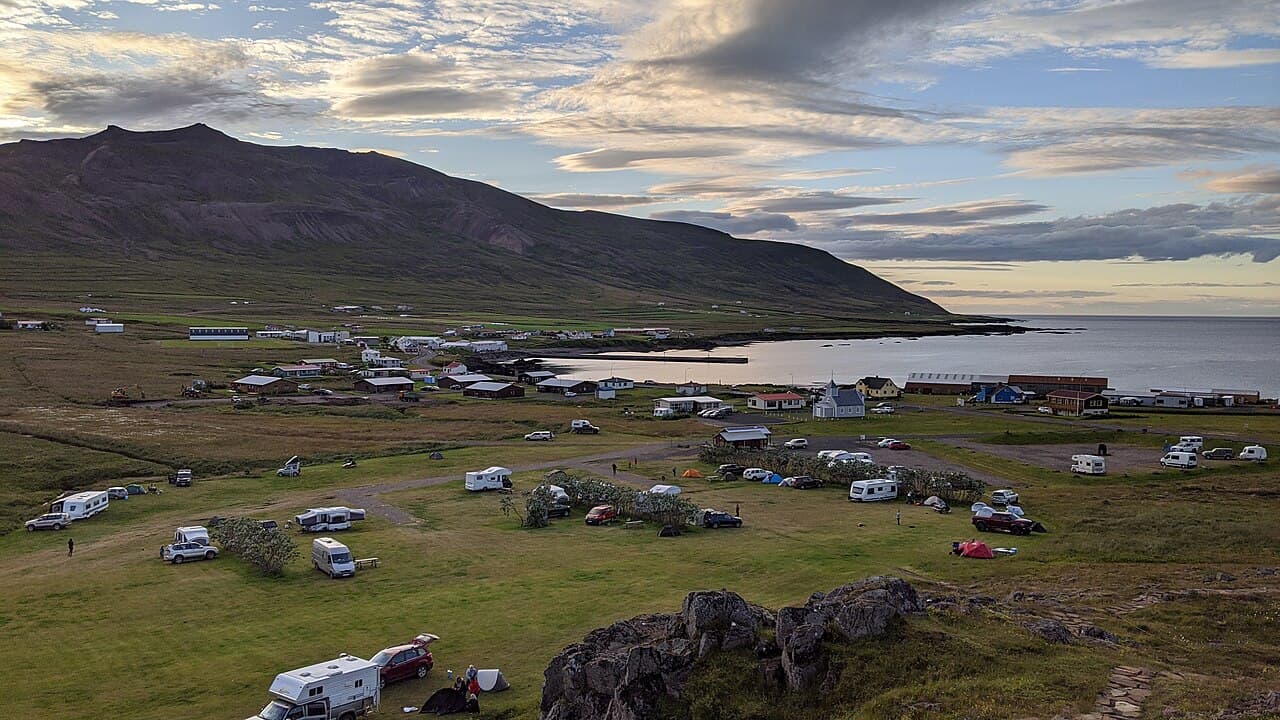
There is no single best month — it depends on what you want. Come in June to August for the warmest weather, the longest days and the only reliable window for the highland F-roads, and accept the crowds and prices that come with it. Come in November to March for the northern lights, ice caves and a quiet, cheaper country, and accept the short days and demanding driving. For the best balance, aim for the shoulder months — May, or September into early October — when the light is still generous, the prices have dropped, and you get the sights closer to yourself.
Whatever month you pick, the constant is that Iceland's weather moves fast, so the real skill is checking conditions on the day rather than trusting the average. Sort out a suitable car for the season — a small 2WD is fine for the paved summer routes, while winter and gravel want a 4WD (see do you need 4WD in Iceland) — and check the live road and weather alerts before every leg. Do that, and any month of the year is a good one to be here.
Frequently
asked questions
What is the best month to visit Iceland for weather?
What is the warmest month in Iceland?
What is the coldest month in Iceland?
How many hours of daylight does Iceland get each month?
Which month has the most rain in Iceland?
When can you see the northern lights in Iceland?
When is the midnight sun in Iceland?
Does it snow in Iceland in summer?
Cars & campers
 KEF airport pickup 24/74.8
 Transmission
 Fuel
Fuel Seats
Seats Drive
Drive

 Sleeps
Tours near Iceland
 Small groups
 Duration
 Highlights
 Type
Type