Driving in Iceland's Wind & Storms
Wind — not snow — is the hazard that catches out the most visitors. What wind speed is dangerous, why gusts wreck car doors, and the live checks that tell you when to wait.
You can drive Iceland in wind, but wind — not snow — is the hazard that hurts the most visitors. From about 15 m/s a gust can rip a car door off; from 20 m/s it shoves campers across lanes. Check the live wind forecast on the alerts page before every exposed leg, and wait out any storm warning.
Ring Road (R1) slippery in placesHighlands: 56 of 64 monitored roads closed or impassableVegagerðin, updated just now
Live wind across our reference towns right now: Vík 11 m/s · Landmannalaugar 9 m/s · Borgarnes 8 m/s · Keflavík 7 m/s (Open-Meteo, updated just now). Wind builds fast and varies wildly between a sheltered fjord and the open plain beyond it — treat this as a snapshot, not a promise, and read the full forecast for your route on the alerts page.
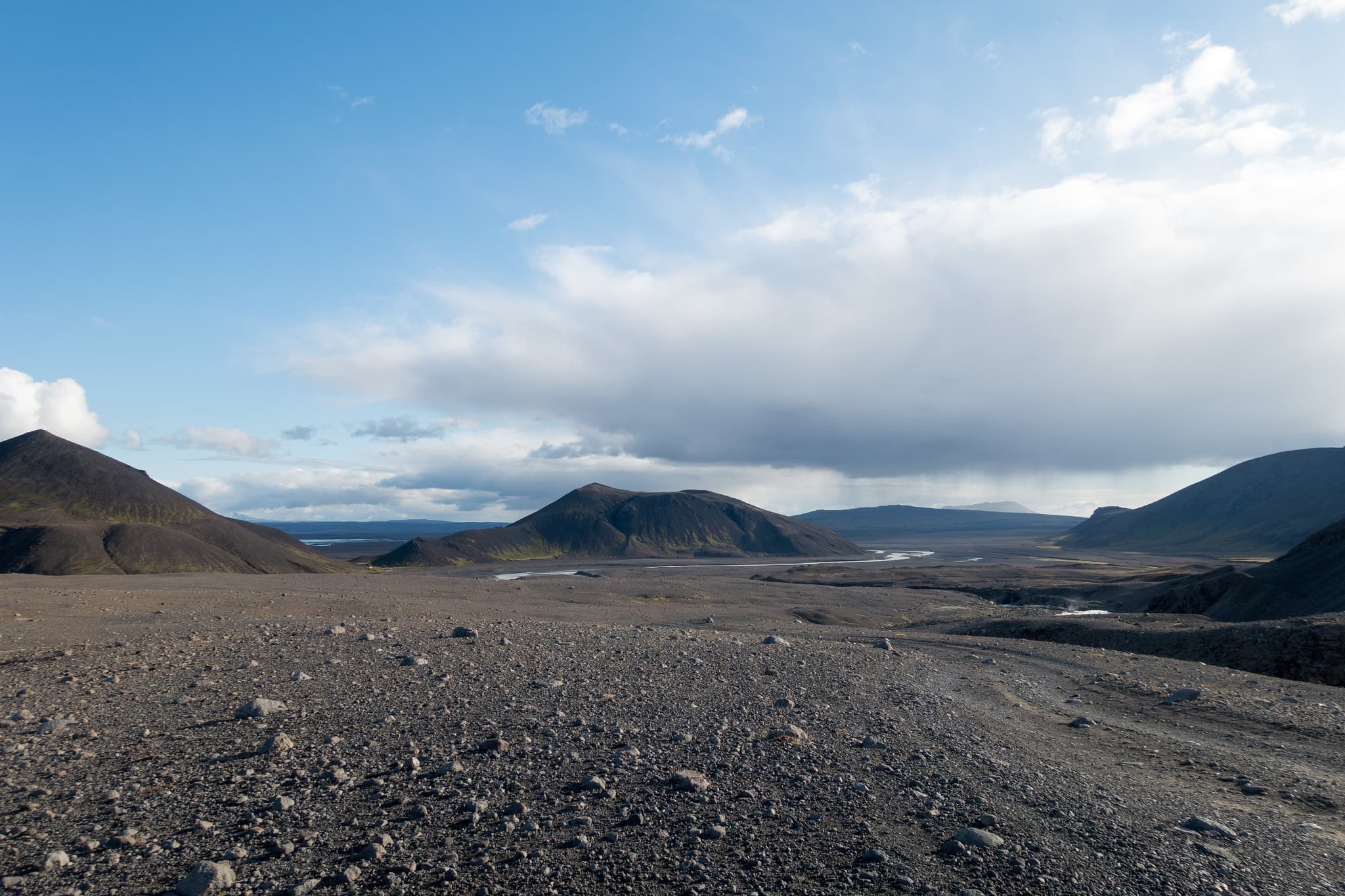
People come to Iceland braced for snow and ice, and then the wind is what actually catches them out. Iceland has some of the strongest sustained winds in Europe: there is little forest and little shelter, so wind pours unbroken across open coast, plains and mountain passes. On a calm forecast it is a non-issue; on a windy one it is the single most important thing to plan around, and it can change within the hour.
This is the safety guide to that specific hazard. It is deliberately plain: the goal is that you know what a given wind speed does to a car, how to avoid the two most common and expensive mistakes — a torn-off door and a wind-pushed camper — and where to check the live conditions before you commit to an exposed road. For the wider seasonal picture, read winter driving in Iceland or summer driving in Iceland.
Where the wind hits hardest
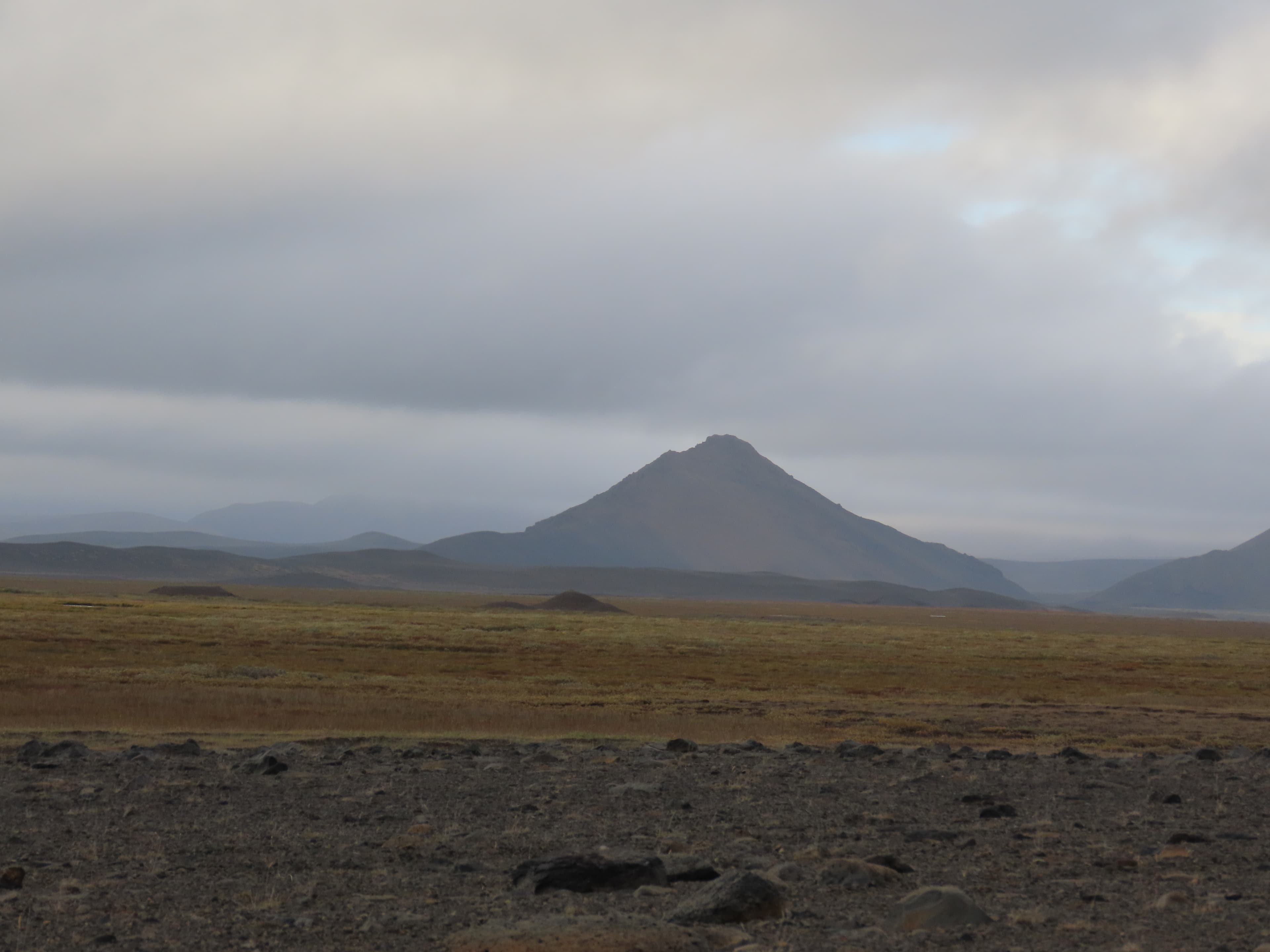
The open south-coast sands, the exposed east and the shelterless interior highlands take the worst of it; a sheltered fjord 20 minutes away can be calm. Open the map to see roads and live conditions overlaid.
The wind that rips off doors
The most common wind mistake is the cheapest to avoid. When you open a car door in a strong wind, a gust can catch it, hyper-extend it, and bend or snap the hinge — a torn-off or bent door is one of the most frequent damage claims rental companies in Iceland see, and standard collision cover often does not include it. As practical guidance (SafeTravel.is), this becomes a real risk from around 15 m/s.
The fix costs nothing: park so the wind comes from the side where the door stays shut, open doors only on the sheltered side of the car, and keep a hand on the door until it is closed. Warn everyone in the car to do the same — most damage happens when a passenger flings a door open without thinking.
Crosswinds, campers and blowing sand
The second serious hazard is the crosswind that pushes the whole vehicle. It matters most for high-sided vehicles — campers, vans, and larger 4x4s — which act like a sail. From roughly 20 m/s a crosswind can move a camper across a lane, and the risk on an exposed bridge or a raised road is that it pushes you toward the edge or oncoming traffic. If you are in a camper, the wind forecast decides your day more than anything else.
On the open plains — the south-coast sands especially — high wind also lifts sand and grit off the ground. A sandstorm can strip paint from a car and drop visibility to nothing in seconds. Damage from blowing sand is usually only covered by a separate Sand and Ash Protection add-on, not by standard insurance, so check what your rental agreement covers and add sand-and-ash cover if your route crosses open sand. If you drive into blowing sand, slow right down and, if you cannot see, pull fully off the road and wait.
| Wind speed | What happens | What to do |
|---|---|---|
| Under 10 m/s (under ~36 km/h) | Ordinary driving. On gravel roads and open plains you may feel light buffeting and see loose grit lift. | Drive normally. Keep a bit more space on exposed stretches and gravel. |
| 10–15 m/s (~36–54 km/h) | Noticeable buffeting on exposed coast, plains and passes. Dust and grit start blowing off gravel and sand. | Slow down, keep both hands on the wheel, and expect the car to be pushed a little. |
| 15–20 m/s (~54–72 km/h) | A gust can pull an open car door out of your hand and bend it back on its hinges — a common, often un-insured rental claim. High-sided vehicles feel it clearly. | Open doors on the sheltered side and hold them. Drive well below the limit; re-check the forecast and cameras. |
| 20–25 m/s (~72–90 km/h) | Campers, vans and other high-sided vehicles get shoved across lanes. Blowing sand and grit can strip paint and cut visibility to nothing. | Consider stopping and waiting. Do not drive a camper or high-sided vehicle into this if you can avoid it. |
| Over 25 m/s (over ~90 km/h) | Storm force. Driving is genuinely dangerous, doors and loose items become hazards, and roads may be closed. | Do not start the leg. Wait it out and re-check the live status and warnings before you move. |
These bands are practical guidance from SafeTravel.is and the road authority (Vegagerðin), not legal speed limits — Iceland reports wind in metres per second, so that is the unit to watch on any forecast. The honest summary: under about 15 m/s you drive with a little extra care; 15–20 m/s is where doors and high-sided vehicles get into trouble; and over 25 m/s is storm force where you should not be on the road. Above roughly 17 m/s many rental agreements also stop covering wind-related door damage, which is another reason to check the number before you set off.
The exposed passes, right now
Live frames from the exposed mountain passes that gate the main corridors. If you can see snow or sand blowing across the road, the wind beyond the camera is worse than any forecast number. If none load, the feed is down — treat that as a reason to check the alerts page, not as an all-clear.
 Live
Live Live
Live Live
Live Live
LiveA forecast is a prediction; a camera is the truth. Pair these with the live status line and the live wind reading at the top of the page, and with the webcams page for the wider picture, before you commit to a leg. A calm sky over Reykjavík tells you nothing about a gale waiting on the far side of a fjord.
The car you want in the wind
No car is immune, but a heavier, lower vehicle holds the road better in a crosswind than a tall, light one. A steady mid-size 4x4 like the Hyundai Tucson or Suzuki Vitara is more planted than the cheapest 2WD city cars, which get buffeted more; a full-size Land Cruiser is heavier still. A campervan, by contrast, is the most wind-sensitive thing you can rent — high-sided and light — so if you are in one, build extra caution and slack into every windy day. Whatever you drive, read what its insurance actually covers for wind and sand before you set off. For how the drivetrain choice works overall, see do you need 4WD in Iceland.
Should I drive in this wind? A go/no-go read
Work down the list. The first “yes” is your answer.
Is a wind or storm warning in force for your route, or are gusts over about 25 m/s forecast?
Do not driveThat is storm force. Driving is dangerous and roads may close. Do not start the leg — wait it out and re-check the live status before you move.
Are you driving a camper, van or other high-sided vehicle with about 20 m/s or more forecast?
Do not driveHigh-sided vehicles get pushed across lanes in that wind, and a gust can wreck an open door. Postpone until it eases — the extra hours are cheaper than a rollover or a bent door.
Is 15–20 m/s forecast on an exposed coast, an open plain or a high pass on your route?
Drive only with careYou can drive it, but with real care: open doors only on the sheltered side and hold them, keep both hands on the wheel, slow right down, and re-check the pass cameras first.
All of the above “no”?
Good to driveUnder about 15 m/s with no warning in force, you are good to drive. But Icelandic wind builds fast — treat this as a snapshot, re-check before each exposed leg, and never open a door into a gust.
What to check before an exposed leg
The habit that keeps locals out of trouble is simple: check the wind before you commit, every time, using live feeds. Run these before each driving day, and again before any long exposed stretch. They take a few minutes and they are the whole point of this page.
#1.Read the live wind forecast for your exact route
threshold: ~15 m/s: doors at riskthreshold: 20 m/s+: high-sided danger
Start with the live wind reading at the top of this page, then get the full forecast and any warnings on the alerts page. Scope it to your route: wind varies wildly between a sheltered fjord and the open plain 20 minutes on. A wind warning is a reason to delay or re-route, not a suggestion.
#2.Check the live road status and closures
status: green / amber / redsource: live Vegagerðin feed
Wind closes roads. Use the status line at the top of the page for the whole-country picture, then get a straight yes/no for your exact drive with the can-I-drive tool. Red means the road is closed because the alternative has cost lives — that is not negotiable.
#3.Look at the exposed-pass cameras
element: live pass camerascadence: refresh ~10 min
The camera strip above shows live frames from the exposed passes. If you can see snow or sand blowing across the road, the wind there is worse than the forecast number — postpone. The webcams page adds streams from further afield.
#4.Open doors on the sheltered side — and never let go
threshold: ~15 m/s: door riskinsurance: often un-insured
Before you park, note the wind direction and stop so doors open on the sheltered side. Keep a hand on every door until it is shut, and tell your passengers to do the same. This one habit prevents the most common and most avoidable wind claim on the whole trip.
#5.Know when to stop and wait — and carry 112
emergency: emergency number 112register: travel plan on safetravel.is
If the wind is beyond what you can hold in lane, stop — the hours you lose are cheaper than the alternative. Before a long exposed drive, leave a travel plan on safetravel.is and install the 112 Iceland app, which can send your location to rescue teams. Iceland’s single emergency number is 112.
If a storm hits while you are driving
If the wind rises beyond what you can control, or blowing snow or sand takes your visibility, slow down and, if you genuinely cannot hold the car in lane or see the road, do not stop in the traffic lane where you could be hit. Pull fully off the road, point the car into or away from the wind so a door cannot be caught, put your hazard lights on, and wait for the worst gusts to pass. Do not open a door into the wind while you wait.
If you become stranded, stay with your vehicle — it is shelter and it is far easier for rescue teams to find than a person on foot. Call 112, and if you registered a travel plan on safetravel.is, rescuers already know roughly where to look. For the full pre-drive routine locals run, read the live checks before driving Iceland, and to read the official conditions map yourself, see how to check Iceland road conditions.
None of this means don’t drive Iceland. It means check the wind first, respect the numbers, hold your doors, and be willing to wait. The drivers who get into trouble are almost always the ones who assumed instead of checking.
Frequently
asked questions
Is it safe to drive in Iceland in wind?
How much wind is too much to drive in Iceland?
Can wind really rip a car door off in Iceland?
Does rental insurance cover wind damage or sandstorms in Iceland?
What wind speed is dangerous for a campervan in Iceland?
Where can I check live wind before driving in Iceland?
What should I do if a windstorm hits while I am driving?
Are the highlands and F-roads windier than the Ring Road?
Cars & campers
 KEF airport pickup 24/74.8
 Transmission
 Fuel
Fuel Seats
Seats Drive
Drive

 Sleeps
Tours near Iceland's wind-exposed roads
 Small groups
 Duration
 Highlights
 Type
Type