
Rental Car Insurance in Iceland, Explained
What each tier covers, what it doesn't, and which cover you actually need — by route, in plain terms.
The base collision damage waiver (CDW) covers you on paved roads. Iceland adds risks it doesn't cover — gravel, wind-driven sand and ash, cracked windscreens. Leave the tarmac and you want gravel protection and tyre cover; the south coast and highlands in wind add sand & ash protection. Check your rental agreement for the tiers.
Ring Road (R1) slippery in placesHighlands: 56 of 64 monitored roads closed or impassableVegagerðin, updated just now
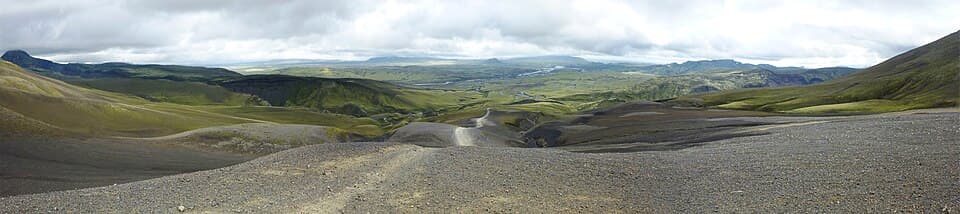
Car hire insurance in Iceland: what CDW actually covers
Every Iceland rental comes with a base collision damage waiver (CDW). It caps how much you owe if the car is damaged in a collision or roll-over, down to a fixed excess you pay on a claim. On paved roads — the Ring Road, the Golden Circle, the paved South Coast — that base cover is enough.
The catch is what CDW leaves out. Iceland's roads add hazards a standard rental rate doesn't cover: loose gravel that chips windscreens and paint, wind-driven sand and volcanic ash that can strip a car in a single storm, punctures from sharp gravel, and river fords that no policy backs. The insurance question in Iceland isn't really “do I need extra” — it's “which extras match my route.”
SafeTravel, Iceland's official travel-safety service (safetravel.is), is the authority on road risk; the exact tiers, excess figures and prices live on your rental agreement. This guide explains what each tier does so you can read that agreement with your eyes open. If you haven't booked yet, start with the renting a car in Iceland walkthrough.
Where gravel and ash do the damage
The south-coast sandur plains and the highland edge are open, wind-swept and unpaved — the terrain that turns a standard rental claim into a gravel or sandstorm claim. Open the map to see the routes.
| Coverage | What it covers | What it doesn't cover | When you need it in Iceland |
|---|---|---|---|
| CDW (Collision Damage Waiver) | The base waiver almost every rate includes. Caps your liability for collision and roll-over damage to the car at a fixed excess. | Gravel, sand, ash, tyres, windscreen, undercarriage and theft are all typically excluded. You still owe the excess on a claim. | Always present — it is the baseline, not an add-on. On its own it leaves the Iceland-specific damage uncovered. |
| Super CDW / SCDW | Buys the excess down, so the amount you owe on a covered collision claim is lower. Same damage types as CDW, smaller out-of-pocket. | Does not add new damage types — gravel, sand, ash, tyres, windscreen and theft stay excluded unless you add their own cover. | Optional. Worth it if you want a smaller worst-case bill; check the excess figures on your rental agreement to judge the trade. |
| Gravel Protection (GP) | Chips, cracks and paint damage from flying gravel — bodywork, headlights and (at most providers) the windscreen. | Collision, water damage, and driving on roads closed to your vehicle. It covers stone damage, not misuse. | Ring-Road side roads, the Westfjords, Snaefellsnes and every F-road approach are gravel. Add it if you leave the tarmac at all. |
| Sand & Ash Protection (SAAP) | Paint and bodywork stripped by wind-driven sand or volcanic ash — the damage Iceland sandstorms cause in minutes. | Collision, gravel chips and water damage. It is specific to blowing sand and ash, not general bodywork. | South-coast sandur plains (Mýrdalssandur, Skeidararsandur) and the highlands in the windy shoulder season carry real sandstorm risk. |
| Tyre & Windscreen | Punctures, blowouts and windscreen cracks — the two most common single-item claims on Iceland gravel. | Collision and body damage. Some providers fold windscreen into Gravel Protection instead — confirm which on your agreement. | Any gravel driving, and long Ring-Road days. Cracked windscreens and gravel-cut tyres are the everyday Iceland claim. |
| Theft Protection (TP) | Caps your liability if the car is stolen or damaged in a theft attempt. | Personal belongings left in the car, and damage you cause yourself. It is about the vehicle, not your luggage. | Vehicle theft is rare in Iceland, so this is low-priority for most trips. Often bundled — check whether it is already on your rate. |
Two rows carry the Iceland-specific risk. Gravel protection (GP) is an add-on, not bundled — confirmed for Key Car, and the norm across Icelandic rentals. Standard CDW does not cover gravel damage, so if any part of your route is unpaved, GP is the one to add. Sand & ash protection (SAAP) is separate again, and only matters on the south-coast plains and highlands where sandstorms are a real risk. Read your rental agreement for exactly which items each tier includes — some providers fold windscreen cover into GP, others sell it on its own.
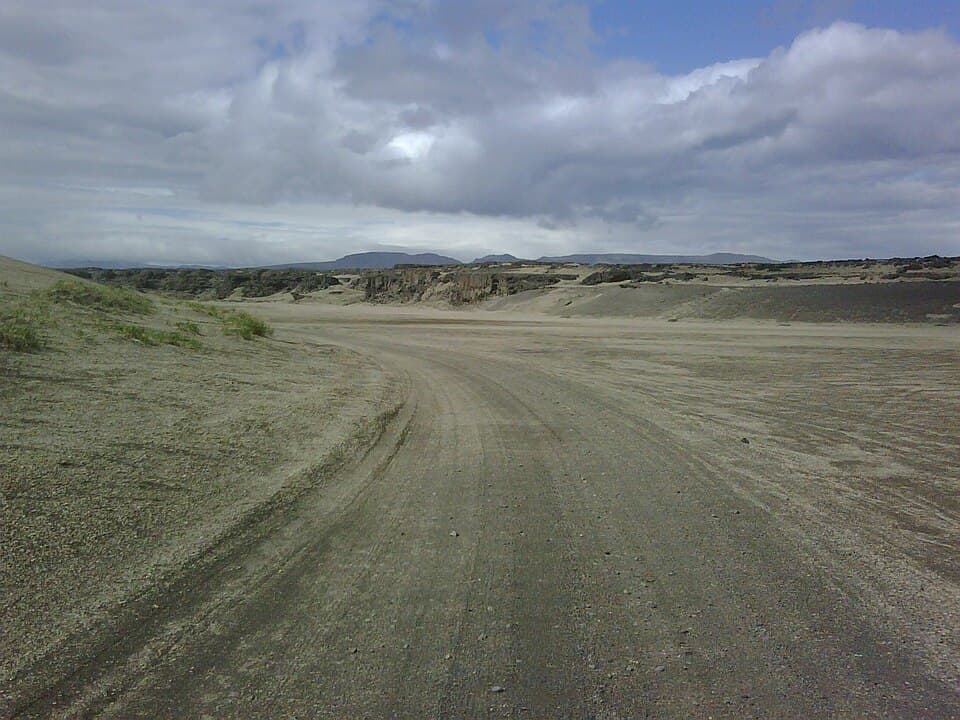
Is gravel protection worth it in Iceland?
Gravel is the everyday Iceland claim. A stone thrown up by an oncoming car cracks a windscreen; loose grit sandblasts the lower doors; a sharp edge cuts a tyre. Standard CDW covers none of it. If you are driving the Westfjords, Snaefellsnes, any Ring-Road side road to a waterfall, or an F-road approach, you are on gravel — and gravel protection is worth far more than it costs.
Pair it with tyre and windscreen cover if that is sold separately. Those two are the most common single-item claims on Icelandic gravel, and a cracked windscreen alone can dwarf the add-on price. If your trip is gravel-heavy, a higher-clearance 4WD like the Dacia Duster also sits further from the flying stones than a low city car — but it does not replace the cover.
Is sand and ash damage covered?
Sand and ash protection covers something you will not see on a rental elsewhere: paint and bodywork stripped by wind-driven sand or volcanic ash. On the south-coast sandur — the flat, open plains at Mýrdalssandur and Skeidararsandur — a storm can pick up enough sand to sandblast a car in minutes. The highlands carry the same risk in the windy shoulder season.
It is a separate add-on, and it only earns its place on those exposed routes. If your trip stays on the sheltered, paved parts of the Ring Road, you can skip it. If it crosses the sandur or spends days in the highlands when the wind is up, it is worth considering — check the terms on your rental agreement, and watch the forecast on our live alerts page before you commit to an exposed route.
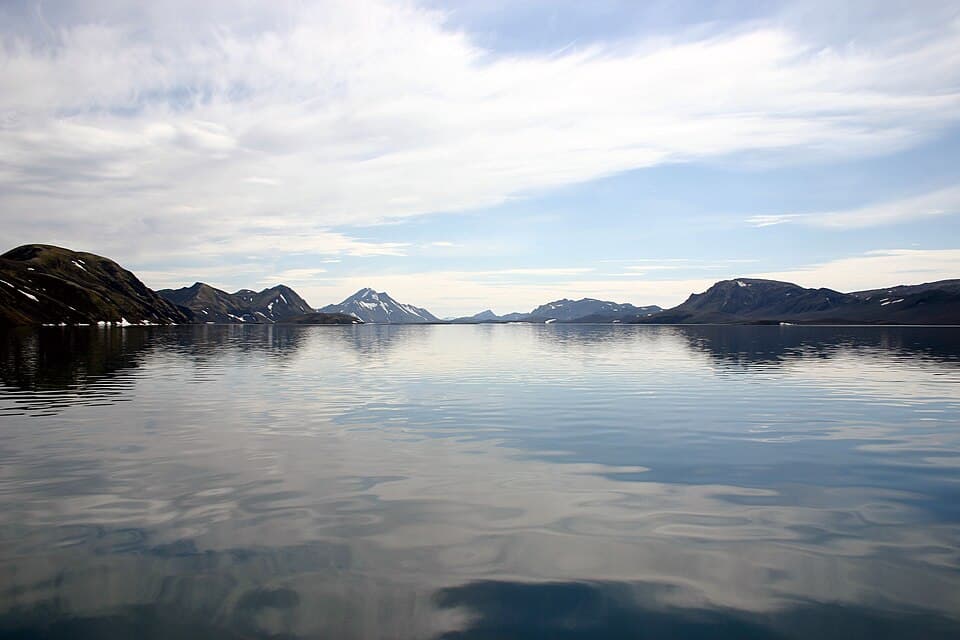
What insurance is NOT covered no matter what?
No insurance tier covers everything. Per SafeTravel and standard rental agreements, some damage is excluded on every policy — and a few actions void your cover entirely. Know these before you drive.
River crossings are never covered. Water damage from fording a river is excluded on every tier, even on a 4WD rated to cross. If water reaches the engine, you are personally liable for the full cost. Only attempt a crossing in a suitable vehicle like a Land Cruiser, in safe conditions, after scouting depth and flow — and understand no policy backs you if it goes wrong.
Driving off marked roads is illegal in Iceland, and any resulting damage is uncovered. So is taking a 2WD onto an F-road — it voids your insurance and risks a fine. The rule that keeps you covered is simple: stay on marked roads, and match the car to the route. Our do I need 4WD guide and the F-roads overview spell out where that line falls.
Exposed passes, right now
Live frames from the high, gravel-prone and wind-swept passes where cracked windscreens and sandblasted paint actually happen. If a pass looks like it's blowing, the exposed roads beyond it usually are too.
 Live
Live Live
Live Live
Live Live
LiveA camera can't read the wind speed, but it shows you the conditions the add-ons are built for. Pair these with the live status line at the top of the page and the can I drive there today verdicts before committing to an exposed or gravel route.
Which coverage do you actually need?
Work down the list. The first “yes” is your answer.
Are you driving any F-roads or into the Highlands?
Gravel Protection + read exclusionsYou are on gravel the whole way, and river fords are near. Add Gravel Protection, and read the agreement carefully — F-road and water-crossing damage is often excluded even on a 4WD, so no tier saves a submerged engine.
Is the south coast or highlands in your plan during the windy shoulder season?
Add Sand & Ash ProtectionSandur plains and highland edges get wind-driven sand and ash that can strip paint in a single storm. Add Sand & Ash Protection on top of Gravel Protection for these routes.
Any gravel at all — Westfjords, Snaefellsnes, Ring-Road side roads?
Add Gravel ProtectionGravel chips the windscreen and bodywork of a normal car. Gravel Protection (an add-on, not bundled) and tyre/windscreen cover are the two worth having whenever you leave the tarmac.
Is it the paved Ring Road or Golden Circle only, in summer?
Base CDW is enoughThe base CDW covers you on tarmac. Super CDW is optional if you want a lower excess. Skip the gravel and sand add-ons you will not use.
All of the above “no”?
Base CDW is enoughIf none of the above fits, you are almost certainly on paved roads in summer, where the base CDW does the job. When in doubt, match the cover to the roughest road on your route, and read what your agreement excludes before you sign.
Matching cover to your trip
The decision tree above works top to bottom — the roughest road on your route sets the cover you need. Here is the same logic as three common trips, so you can see where your own plan lands.
#1.Paved Ring Road or Golden Circle, summer
cover: Base CDWupgrade: SCDW optionalskip: no gravel add-ons
On tarmac the base CDW covers you. Super CDW is optional if you want a smaller excess on a collision claim — weigh the excess figures on your agreement. Skip the gravel and sand add-ons you won't use. A cheap 2WD like the Hyundai i10 suits this trip.
#2.Westfjords, Snaefellsnes or long gravel detours
cover: CDW + Gravel Protectionadd: + tyre & windscreenlimit: no fords
Add gravel protection the moment your route leaves the tarmac, and tyre/windscreen cover if it's sold separately — these are the everyday gravel claims. A higher-clearance 4WD such as the Hyundai Tucson rides further from the stones, but the cover is what saves the bill.
#3.South coast, highlands or F-roads in the windy season
cover: GP + Sand & Ashwarning: read exclusionslimit: no ford cover
Stack sand & ash protection on top of gravel protection for the sandur and exposed highlands, and read the agreement's exclusion list carefully — F-road and water-crossing damage is often excluded even on a proper 4WD. For anything with river fords, book a Land Cruiser and accept that fords are on you, not the insurer.
Frequently
asked questions
What is CDW insurance in Iceland and what does it actually cover?
What is SCDW (Super CDW) and is it worth it?
Is gravel protection worth it in Iceland?
Is sand and ash damage covered?
What is tyre and windscreen protection?
Do I need theft protection in Iceland?
What insurance is NOT covered no matter what?
Is a credit-card CDW enough for Iceland?
Cars & campers
 KEF airport pickup 24/74.8
 Transmission
 Fuel
Fuel Seats
Seats Drive
Drive

 Sleeps
Tours near your Iceland road trip
 Small groups
 Duration
 Highlights
 Type
Type