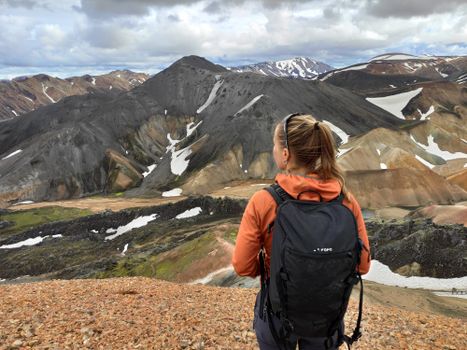
12 Car-Rental Mistakes to Avoid in Iceland
The mistakes that cost travellers the most — each with the fix, a cost quick-reference, and an insurance decision tree.
The costliest car-rental mistakes in Iceland are driving an F-road in a 2WD (illegal and it voids your insurance), declining gravel and sand-and-ash protection, and opening a door in high wind. Match the car to your route, confirm which add-ons are on your booking, and check road and weather before every leg.
Renting a car is the right call in Iceland — it is how you reach the places tour buses skip. But the same trip has a handful of expensive traps that first-timers walk into every season, and most of them are about the small print, the weather, and matching the car to the road. Here are the twelve that cost the most, each with the fix. If you are still at the booking stage, read them alongside our full guide to renting a car in Iceland and, if you are unsure about drivetrain, whether you need 4WD.
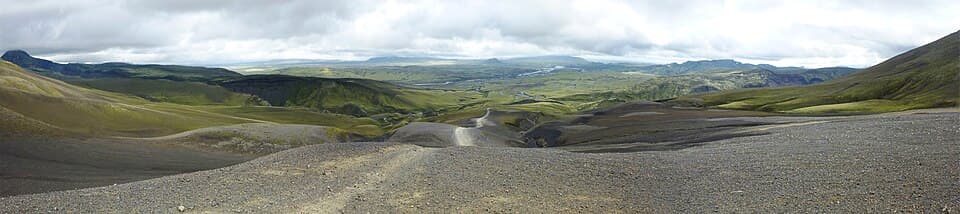
Where the trouble starts
Most of these mistakes bite once you leave the tarmac. The interior is a web of gravel tracks and F-roads — open the map to see which routes stay paved and which don't.
The 12 mistakes, and how to avoid each one
Work down the list. The first few are the ones that cost the most, so if you only read a handful, read those.
#1.Driving an F-road in a 2WD
stakes: Illegal · insurance voidedfix: Book a 4WD for any F-road
F-roads are mountain tracks marked with an F prefix (F35, F208 and so on), and the law closes them to 2WD cars. Take a 2WD onto one and you void your rental insurance, risk a fine, and become personally liable for the full cost of any damage. This is the single most expensive mistake on the list because no insurance tier will help you afterward. If any part of your route touches an F-road or the Highlands, rent a 4WD from the start and confirm the car is rated for the roads you plan to drive.
#2.Declining gravel protection on gravel routes
risk: Chips · cracked windscreenfix: Add GP when you book
Standard collision damage waiver (CDW) does not cover gravel damage — stone chips, a cracked windscreen, or paint stripped by flying stones on loose surfaces. Gravel protection (GP) is a separate add-on, not something bundled into the base rate, so confirm it is on your booking rather than assuming it. Iceland has a lot more gravel than first-timers expect, including long stretches in the Westfjords and on Snaefellsnes. Adding GP costs far less than one cracked windscreen, so if you are driving any gravel, add it.
#3.Skipping sand-and-ash protection near the south coast
risk: Paint stripped in one stormfix: Add SAAP for the south & Reykjanes
On the south coast and around Reykjanes, wind can pick up volcanic sand and ash and sandblast a parked car down to bare metal in minutes. Standard cover and even gravel protection usually exclude this, so sand-and-ash protection (SAAP) is a distinct add-on worth confirming for any trip through the sandur plains east of Vik or across the Reykjanes peninsula. If a strong wind warning lands while you are in these areas, park with the front of the car pointing into the wind and wait it out.
#4.Opening the car door in high wind
risk: Bent or torn-off doorfix: Hold it with both hands
This sounds minor and it is not. Icelandic gusts genuinely catch an open door, bend the hinge past its stop, or tear the door clean off — and wind damage is one of the most common claims rental desks see. CDW typically does not cover it, so you pay. Point the car into the wind where you can, keep a firm grip on the door with both hands as you open it, and never let a passenger fling it open on the windward side. On a red or orange wind warning, the safest move is to stay parked.
#5.Booking the cheapest car for the wrong route
principle: Match the car to the roadsfix: Route first, price second
The cheapest listing is only cheap if it can go where you are going. A 2WD city car is fine for the paved Ring Road and Golden Circle in summer, but book one for the Westfjords, the Highlands, or a winter trip and you have bought the wrong tool. Work out your route first, then pick the smallest car that covers it — a 2WD for paved summer loops, a 4WD crossover for gravel, a rated Highlands vehicle for F-roads and river crossings. Paying for capability you will use beats saving on a car that strands you.
#6.Not photographing the car at pickup
risk: Existing damage on your billfix: Photograph every panel first
Pre-existing chips and scratches that go unlogged can end up charged to you at drop-off. Before you leave the lot, walk the car and photograph or film every panel, the wheels, the windscreen, and the interior, with a visible timestamp. Make sure anything already marked matches the handover sheet, and flag anything that does not while a staff member is standing there. Two minutes of footage is the cheapest insurance you will buy all trip, and it settles most disputes instantly.
#7.Attempting a river crossing in an unrated car
stakes: Total loss · zero coverfix: Only ford in a rated 4x4, scouted first
Fording a glacial river is not covered by any rental insurance, and doing it in a car that is not built for it usually ends in a flooded engine and a car you now owe for in full. Most crossover 4WDs are not rated for river crossings — only vehicles such as a Land Cruiser are, and even then only in safe conditions. Never enter water you have not scouted on foot for depth and flow, cross at the widest, shallowest point, and if you are unsure, turn back. Rivers here rise by the hour with the afternoon meltwater.
Ring Road (R1) openHighlands: 56 of 64 monitored roads closed or impassableVegagerðin, updated just now
#8.Not checking road and weather before setting off
risk: Closures & storms mid-routefix: Check the live status each morning
Iceland closes roads and posts weather warnings at short notice, and a route that was open yesterday can be shut this morning. Assuming the road is clear because it is summer, or because it was fine last night, is how people end up turned around hours from anywhere. Check the live road status and weather warnings before you leave each morning and again before you commit to a remote stretch. The live strip below and the alerts page pull the same official feeds, so build the check into your routine.
#9.Assuming daylight means safe winter driving
risk: Ice under low winter lightfix: Plan short days · leave margin
Winter daylight is not the green light people treat it as. From roughly November the usable light is only a few hours, the sun sits low and blinds you, and black ice hides on roads that look merely wet. Studded winter tyres are required by law on any rental from Nov 1 to Apr 14, but tyres do not replace judgement. Plan far shorter driving days than you would in summer, keep a wide time margin so you are not racing the dark, and never assume a bright sky means a safe surface.
#10.Underestimating fuel gaps in the interior
risk: No stations for hoursfix: Fill up before the Highlands
Petrol stations cluster around towns and thin out fast once you leave them. In the Highlands and across long gravel routes you can drive for hours with nothing, and a 4WD working through soft tracks and river approaches drinks more fuel than the same car on tarmac. Fill the tank before any interior leg, treat a half tank as your turn-back point, and keep a card that works at the unmanned automated pumps common in rural Iceland. Running dry between stations is a slow, expensive tow, not a quick errand.
#11.Skipping the kilometre-fee math
principle: Per-km road charge in 2026fix: Budget distance, not just days
Iceland now applies a distance-based road charge, so the headline daily rate is no longer the whole cost of a rental. A cheap day rate on a trip that circles the whole country can be quietly outweighed by the kilometres you cover. Estimate your total distance up front and factor the per-kilometre charge into the comparison so you are choosing on the real number, not the sticker price. Our kilometre-fee guide walks through how the charge works and how to estimate it for your route.
#12.Returning with the wrong fuel or an empty tank
risk: Refuel surcharge · misfuel towfix: Confirm fuel type · fill near return
Two return-day mistakes cost real money. Putting petrol in a diesel car (or the reverse) means a drained tank and a tow, so check the filler cap and confirm the fuel type at pickup — plenty of Iceland rentals are diesel. And returning below the agreed fuel level triggers a refuelling charge at a marked-up rate. Fill the tank at a station near the drop-off point, keep the receipt, and leave enough time to do it without a panic stop on the way to the airport.
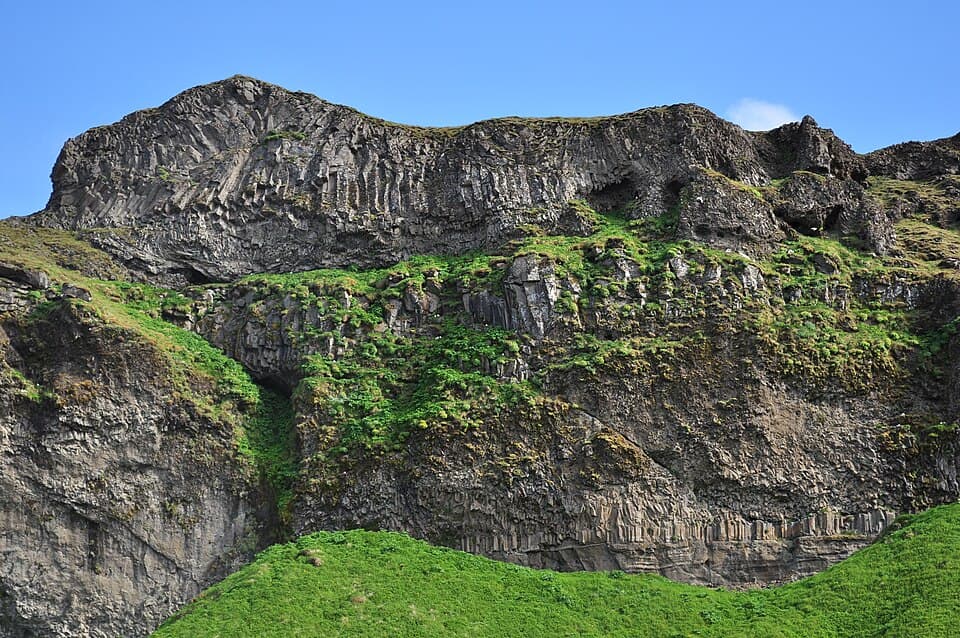
Which insurance add-on do you actually need?
Work down the list. The first “yes” is your answer.
Are you driving any F-road, the Highlands, or crossing rivers?
Rated 4WD + read the policyYou need a rated 4WD first — no insurance covers F-road or river-crossing damage on the wrong car. Once you have the right vehicle, confirm exactly what its policy does and does not cover before you set off.
Are you driving any gravel roads (Westfjords, Snaefellsnes, most interior approaches)?
Add gravel protectionAdd gravel protection (GP). Standard CDW does not cover stone chips or a cracked windscreen, and GP is a separate add-on you must confirm is on the booking.
Are you on the south coast or Reykjanes, especially in windy spring or autumn?
Add sand-and-ash protectionAdd sand-and-ash protection (SAAP). Wind-driven sand and ash can strip paint, and this damage is excluded from standard and gravel cover.
Only the paved Ring Road, Golden Circle or South Coast, in summer?
Standard CDW is fineStandard collision damage waiver is a reasonable baseline. You are on tarmac, so the gravel and F-road exclusions do not bite — save the add-ons for a trip that needs them.
All of the above “no”?
Ask what your CDW excludesWhen in doubt, ask the rental desk exactly what your CDW excludes — gravel and sand-and-ash cover are almost always separate line items, not part of the base rate. Confirm what is on your booking before you drive off.
The base collision damage waiver is a floor, not a ceiling. Gravel protection and sand-and-ash protection are separate add-ons that cover the two things most likely to damage a car here, and no insurance tier covers F-road or river-crossing damage on a car that is not rated for it. If you want to see exactly what our rental partner bundles and what is extra, our Key Car review breaks it down, and every booking through our car rental page carries the 12% discount that helps keep this site free.
| Mistake | What it costs you | How to avoid it |
|---|---|---|
| F-road in a 2WD | Full repair bill, possible fine, insurance voided | Book a 4WD if any F-road is on your route |
| No gravel protection | Stone chips and a cracked windscreen out of pocket | Add gravel protection (GP) at booking |
| No sand-and-ash protection | Paint stripped to bare metal in one ash storm | Add SAAP for south-coast and Reykjanes trips |
| Door caught by the wind | Bent hinge or torn-off door, not covered by CDW | Hold the door with both hands; point the car into the wind |
| River crossing in the wrong car | Flooded engine, total loss, zero cover | Only ford in a rated 4x4, scouted on foot first |
| Wrong fuel at return | Drained tank plus a tow, or a marked-up refuel charge | Confirm the fuel type at pickup; fill near the drop-off |
Match the car to your route before anything else
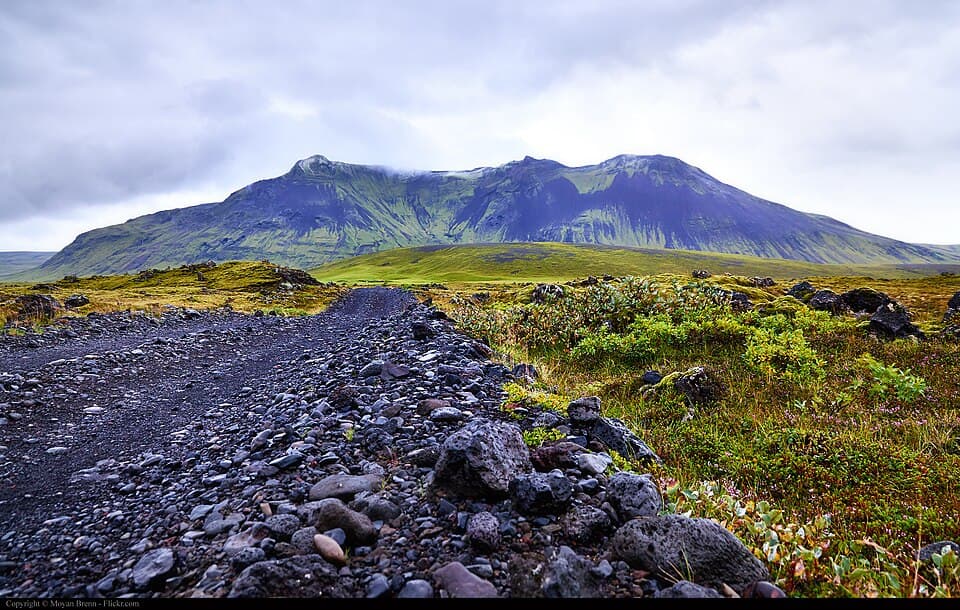
Half of these mistakes disappear the moment you book the right car for where you are actually going. A 2WD city car is the cheapest way to do the paved Ring Road and Golden Circle in summer. A 4WD crossover like the Dacia Duster, Suzuki Vitara or Hyundai Tucson handles gravel and the easier summer F-roads. For the full F-road network and river crossings you need a Land Cruiser. Then, whatever you drive, factor in the new distance charge — our kilometre-fee guide shows how to budget it — fill up before the interior using our live gas-price map, and check the road and weather alerts before each leg. If you are deciding whether a route is drivable at all today, the can-I-drive verdicts answer it route by route.
Frequently
asked questions
What is the most expensive car-rental mistake in Iceland?
Do I really need gravel protection in Iceland?
What is sand-and-ash protection and do I need it?
Why is opening the car door in wind a problem?
Should I take photos when I pick up the rental car?
How does the kilometre fee change how I should book?
Do I need a 4WD to avoid these mistakes?
What should I check before returning the car?
Cars & campers
 KEF airport pickup 24/74.8
 Transmission
 Fuel
Fuel Seats
Seats Drive
Drive

 Sleeps
Tours near Iceland
 Small groups
 Duration
 Highlights
 Type
Type