
Driving in Iceland in October
The month autumn hands over to winter: under ten hours of light, the wettest weather of the year, and the first snow on the high roads. Here is what changes behind the wheel.
In October the driving day falls below 10 hours, it is the wettest month on the Reykjavík normals, and first snow reaches the passes. Most F-roads are closed. Stick to the paved Ring Road and South Coast, watch for early black ice, and check live road status before you set off.
Ring Road (R1) slippery in placesHighlands: 16 of 66 monitored roads closed or impassableVegagerðin, updated just now
What still drives in October
The paved Ring Road and the coasts carry you round the country all month. The interior is mostly closed by now — check live status before assuming any highland road is open.
Your daylight driving window
October is where the driving day gets genuinely short — it drops below ten hours mid-month and keeps falling. For the middle of the month in Reykjavík:
Sunrise about 08:15 · sunset about 18:12 · 9 h 57 m of daylight. Computed for Reykjavík on 15 October 2026 (astronomical sunrise/sunset; twilight adds usable light at each end, and the north and interior run shorter).
| Month | Daylight (15th) | Typical daytime high | Crowds | F-roads |
|---|---|---|---|---|
| September | 13 h 11 m | 10.1 °C | Easing | Open, closing |
| October | 9 h 57 m | 6.8 °C | Low | Mostly closed |
| November | 6 h 37 m | 3.4 °C | Low | Closed |
Daylight is computed for the 15th of each month (astronomical sunrise to sunset, Reykjavík). Typical daytime high is the Icelandic Met Office (Veðurstofa Íslands) Reykjavík 1961–1990 climate normal — see the full table in Iceland weather by month. Crowd level is qualitative guidance; F-road status is factual and closes with no fixed date, so check the live highland status for exact conditions.
What October actually changes
October is the first properly wintry driving month, even though deep winter is still weeks away. The daylight is under ten hours and falling, it is the wettest month on the Reykjavík normals — about 86 mm across roughly 14 or 15 wet days — and the first snow settles on the passes and the high ground. Most of the highland network is closed for the season. What you are left with is the paved network, which is more than enough for a great trip, driven carefully.
The mental shift from September is that you stop treating the interior as an option and plan a paved loop from the start. The Ring Road, the South Coast, Snæfellsnes and the fjord roads all stay open; you just drive them with winter habits — shorter legs, more margin, and a live conditions check before every one.
The day is now short
Under ten hours of daylight changes how much country you can see in a day. You cannot do a summer-length itinerary in October light without driving in the dark, and dark driving on unlit rural roads — loose gravel shoulders, single-lane bridges, sheep, the occasional patch of ice — is where most trouble happens. The fix is not to hurry; it is to plan less. Pick fewer stops, keep the legs between them short, and be parked before dark.
This is an October-specific balance. It is not yet the four-hour December day where you plan the whole trip around the light, but it is short enough that a lazy start costs you the afternoon. Treat the daylight as a budget and spend it deliberately.
The wettest month — and the first black ice
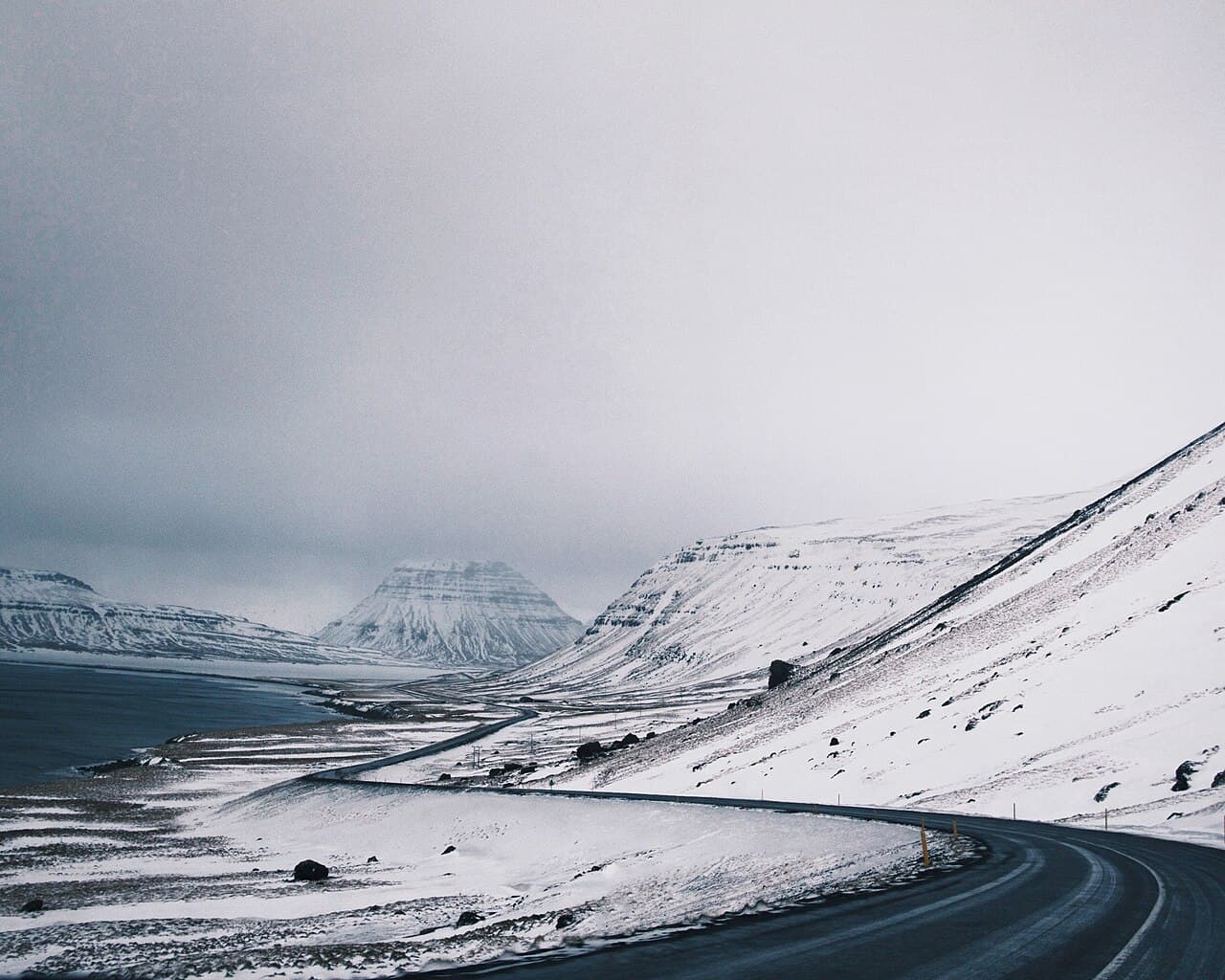
October is the wettest month on the Reykjavík normals, and the combination that matters for driving is rain plus falling temperatures. Daytime highs sit near 7°C and nights drop toward freezing, so a road that is merely wet in the afternoon can carry black ice at dawn and after dark, especially on bridges, in shade, and on the high passes. Black ice is invisible — you find it through your steering, not your eyes — so keep speeds down and gaps long when the temperature is near zero.
This is the first month black ice is a real factor, and it is why an October rental comes with the right tyres for the season. The full technique for ice and wind is in winter driving — October is where you start using it.
The highlands are mostly gone
By October most highland F-roads are closed for the winter. A few of the easier, lower ones may hang on in a mild autumn, but the pattern is closure, and Vegagerðin can shut the rest overnight after a storm. Plan a paved trip and treat any open F-road as a bonus you confirm live on the day, in a proper 4WD, never a 2WD.
If reaching the interior is the whole point of your trip, October is too late — aim for July or August instead, and read the F-road opening record to see how the season runs.
How far can you realistically go?
The honest answer in October is: less than you think. Under ten hours of daylight, wet and occasionally icy roads, and the chance of a storm mean a full-country Ring Road loop becomes a rush against the light. Most people have a better trip basing in one or two places and driving day trips from there — Reykjavík for the Golden Circle and South Coast, or a night or two further round the Ring Road with generous buffer time between them. If you do the loop, give it more days than a summer itinerary would, and never book a non-refundable connection that depends on completing a long drive the same day.
Services are also starting to thin. Some rural fuel stations and cafés move to shorter autumn hours, so top up when you can rather than when you must, and check what is open on the live fuel map before a long empty stretch. Payment is by card everywhere, including unstaffed pumps.
What to rent in October
A 4WD is the sensible default now, even for a paved trip: the extra grip and weight help on wet, greasy and occasionally icy roads, and in the crosswinds that come with autumn low-pressure systems. A 2WD with the season’s tyres is still legal on paved roads, but the margin a 4WD gives is worth it in October weather. Whatever you take, it will come fitted with the right tyres for the season — you do not source them yourself.
Quieter roads are the trade for the weather: the crowds are gone, the big sights are calm, and off-season rates apply. Fill up more often than you would in summer — daylight is short and some rural stations keep shorter autumn hours (live fuel prices show which are open).
The passes, right now
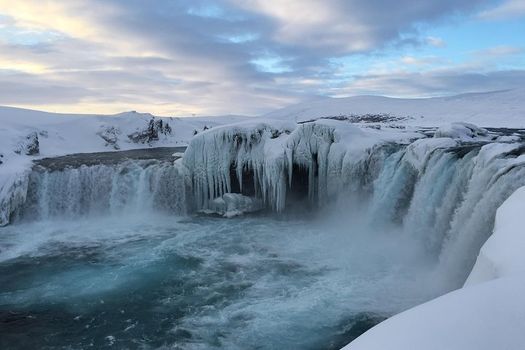
Live frames from the mountain passes that gate the main routes. In October these are where winter shows up first — a white pass here means the high ground is already turning, even when the coast below is only wet.
 Live
Live Live
Live Live
Live Live
LiveDriving October: what changes, in order
#1.Plan a paved loop, not an interior one
highlands: F-roads mostly closedaccess: Ring Road + coasts open
Build the trip on the paved network from the start. Any open F-road is a live-confirmed bonus in a proper 4WD, not part of the plan.
#2.Drive the short day deliberately
daylight: <10 h, fallingrule: avoid dark rural legs
Fewer stops, shorter legs, parked before dark. The light is a budget now — a slow start costs you the afternoon.
#3.Expect the first black ice
rain normal: 86 mm — wettest monthhazard: near-freezing nights
Wet roads plus freezing dawns make black ice on bridges and passes. Keep speeds down near zero degrees, and read the winter technique.
Frequently
asked questions
Can you drive the Ring Road in Iceland in October?
Are F-roads open in Iceland in October?
How many hours of daylight does Iceland have in October?
Do I need a 4WD to drive Iceland in October?
Does it snow in Iceland in October?
Cars & campers
 KEF airport pickup 24/74.8
 Transmission
 Fuel
Fuel Seats
Seats Drive
Drive

 Sleeps
Tours near Iceland in October
 Small groups
 Duration
 Highlights
 Type
Type