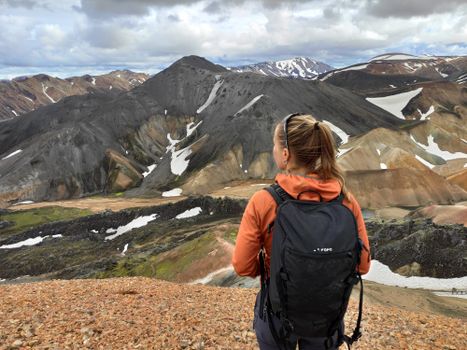
Driving in Iceland in November
Winter driving proper begins: under seven hours of light, ice and wind, and studded-tyre season underway. The highlands are shut. Here is what changes behind the wheel.
November driving is short and dark — under seven hours of daylight mid-month — with icy roads, strong winds and studded-tyre season underway. All F-roads are closed. Keep to paved routes, plan every drive to finish before dark, and check live conditions and wind before each leg.
Ring Road (R1) slippery in placesHighlands: 16 of 66 monitored roads closed or impassableVegagerðin, updated just now
What drives in November
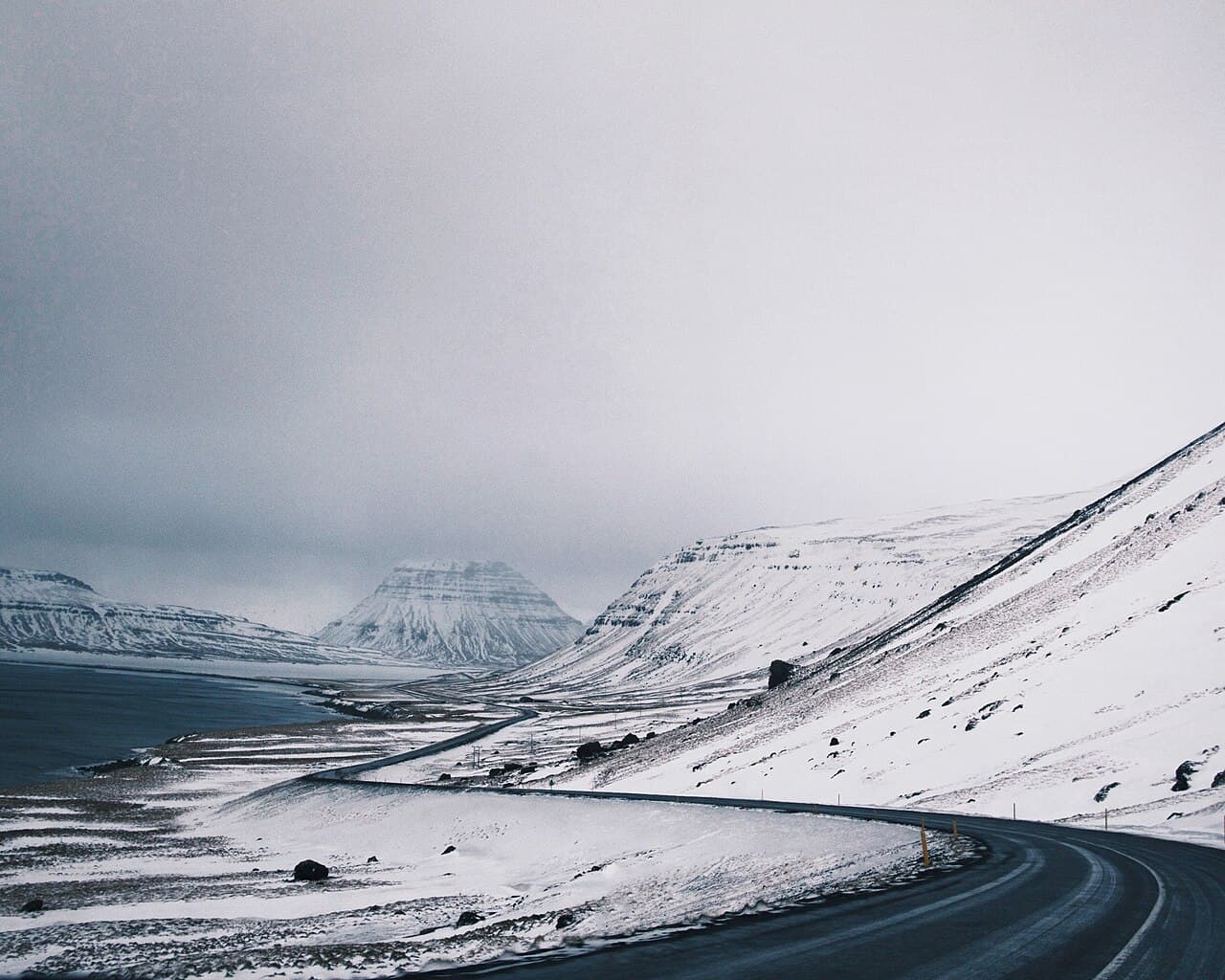
The paved Ring Road and coasts stay open, weather permitting, but closures come and go with the storms. The interior is shut for the winter — check live status before every leg.
Your daylight driving window
November is where the day gets genuinely short — under seven hours mid-month and still falling toward the solstice. For the middle of the month in Reykjavík:
Sunrise about 09:54 · sunset about 16:31 · 6 h 37 m of daylight. Computed for Reykjavík on 15 November 2026 (astronomical sunrise/sunset; twilight adds usable light at each end, and the north and interior run shorter).
| Month | Daylight (15th) | Typical daytime high | Crowds | F-roads |
|---|---|---|---|---|
| October | 9 h 57 m | 6.8 °C | Low | Mostly closed |
| November | 6 h 37 m | 3.4 °C | Low | Closed |
| December | 4 h 15 m | 2.2 °C | Low (holiday bump) | Closed |
Daylight is computed for the 15th of each month (astronomical sunrise to sunset, Reykjavík). Typical daytime high is the Icelandic Met Office (Veðurstofa Íslands) Reykjavík 1961–1990 climate normal — see the full table in Iceland weather by month. Crowd level is qualitative guidance; F-road status is factual and closes with no fixed date, so check the live highland status for exact conditions.
What November actually changes
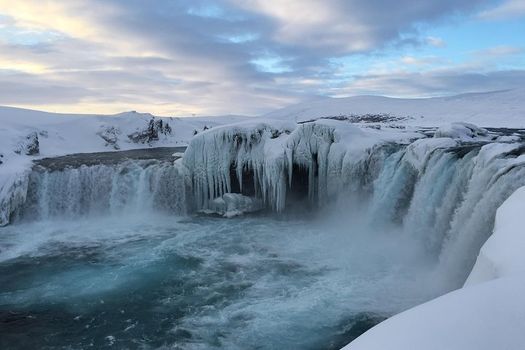
November is the first full winter-driving month. The day is under seven hours mid-month, the mean low is below freezing on the Reykjavík normals, and ice, snow and strong wind are all normal rather than exceptional. All highland F-roads are closed for the season. This is not a reason to skip Iceland — November has short crowds, off-season prices, strong aurora and ice-cave season — but it is a reason to drive it as winter, not autumn.
The step up from October is that ice and wind stop being occasional and become the default. You plan every day around daylight and the forecast, you keep the itinerary loose enough to sit out a storm, and you accept that the weather, not your schedule, decides the driving.
The short day drives the plan
Under seven hours of usable light — and less by the end of the month — means you plan the whole day around it. Realistically that is one main drive plus one or two nearby sights, not a long transfer and a full itinerary. Start at first light, do the driving while it lasts, and be parked before dark. Night driving in November combines everything difficult about Icelandic roads — ice, wind, no lighting, wildlife — so avoid it unless you are only going aurora-hunting on a road you already know.
For the aurora, the short day is the point: the long dark gives you plenty of night to catch a clear window. Plan those outings deliberately — a known road, a full tank, warm kit — rather than improvising a late drive on a route you have not seen in daylight.
Ice, wind and studded tyres
This is studded-tyre season. Studded tyres (nagladekk) become legally permitted in Iceland from around the start of November until mid-April — rental cars are fitted with the right winter tyres for the season, so you get them automatically and do not source them yourself. What you bring is the driving: slower speeds, longer gaps, gentle inputs, and real respect for wind. Gusts strong enough to move a car and tear off an open door are routine in an Icelandic winter, and they are worst for high-sided vehicles and campers.
The full winter technique — black ice, whiteouts, what to do if you are caught out, how to read the colour-coded road map — lives in winter driving in Iceland and wind and storm driving. November is when you use all of it. The one-line version: if the road map or the wind forecast says do not drive, do not drive — wait it out.
Getting to the winter sights
November is ice-cave and aurora season, and how you reach those changes how you drive. Glacier ice caves and glacier walks are run as guided trips for a reason — the glaciers themselves are lethal to drive or walk onto unroped — so you self-drive only to the meeting point, which is almost always on a paved or well-maintained road, then transfer into the operator’s vehicle. That keeps your own driving on the safe network and off the ice. Book the tour, drive to the meet, and let the guides handle the glacier.
The aurora is the other reason people are out after dark in November. Treat it as a planned night drive: pick a road you have already seen in daylight, start with a full tank, carry warm kit in case you stop for a while, and pull fully off the road to watch — never stop in a live lane for a photo. If the live road or wind status is bad, skip the night drive; the lights will come again.
What to rent, and how to plan
A 4WD is the right call for November. It is not legally required on paved roads with winter tyres, but the extra grip on ice and stability in crosswinds is worth it, and a heavier car is less easily shoved around in a gust. It will arrive on winter tyres regardless of drivetrain. Skip the highlands entirely — every F-road is closed — and build a paved plan with slack in it.
Plan for closures. A storm can shut a stretch of the Ring Road for hours, so do not book non-refundable same-day connections at the far end of a long drive, keep a buffer day if you can, and always check the live road map and the alerts page before you set off. The flexibility is the trip in November.
The passes, right now
Live frames from the mountain passes that gate the main routes. In November these are the choke points — if a pass is snowed in or closed, the drive beyond it usually is too, so check here before you commit.
 Live
Live Live
Live Live
Live Live
LiveDriving November: what changes, in order
#1.Plan the day around the light
daylight: <7 h mid-monthrule: no dark rural driving
One main drive plus a nearby sight, not a full itinerary. Start at first light, finish before dark, and save the night for aurora on a road you know.
#2.Respect ice and wind
temperature: sub-zero nightswind: gusts move cars
Studded tyres come fitted; the caution is yours. Slower speeds, longer gaps, and if the wind forecast says stop, stop.
#3.Build in slack for closures
highlands: all F-roads closedschedule: keep a buffer
A storm can shut the Ring Road for hours. Avoid tight same-day connections, keep a buffer day, and check live status before every leg.
Frequently
asked questions
Can you drive the Ring Road in Iceland in November?
Are F-roads open in Iceland in November?
Do I need studded or winter tyres in Iceland in November?
How many hours of daylight does Iceland have in November?
Is it safe to drive in Iceland in November?
Cars & campers
 KEF airport pickup 24/74.8
 Transmission
 Fuel
Fuel Seats
Seats Drive
Drive

 Sleeps
Tours near Iceland in November
 Small groups
 Duration
 Highlights
 Type
Type