What to Pack for Iceland
The list that changes with the month — waterproofs and layers always, swimwear for the hot springs, and the winter kit that matters when it counts.
Whatever the month, five things must go in the bag: a waterproof, windproof shell; warm layers you can add or shed; swimwear and a towel for the hot springs; waterproof boots; and a Type F power adapter. Everything else flexes with the season.

Pack for the route, not just the country
What you need shifts with where you're going — the paved South Coast, the gravel Westfjords, or the highlands. Open the map to see the terrain you're packing for.
The short version: dress for four seasons in one day
Iceland doesn't really have a packing season. It has a packing system, and the system is the same in July as it is in January — layers, waterproofs, and a swimsuit — with a few extra items bolted on for winter. The country's reputation for “four seasons in one day” is not marketing; it is a genuine forecasting problem. Sun, rain, wind and cold rotate through a single afternoon, and the right answer is always to carry the layer you might need rather than the one that fits the weather at breakfast.
So this guide is built around that system first, then the month-by-month deltas on top. Use the checklist below to get a tailored list for your travel month, then read the sections under it for the reasoning — what each item is actually for, and what you can safely leave at home.
Iceland packing checklist by month
Pick your travel month for a tailored list. Tick things off as you pack.
July. Bright half of the year: near-endless daylight and the highland F-roads opening. Still cold and wet — layers stay, an eye mask joins them.
Pack this every month
Add for July
0 / 13 packed for July.
A starting list, not a full one — adjust for your own trip, and always check live weather and road conditions before you set off. Iceland's weather ignores the calendar, so a warm layer belongs in your bag in any month.
The layering system — the whole game
Almost everything about dressing for Iceland comes down to three layers you add and shed through the day. Get this right and you are comfortable from a windy clifftop to a warm café; get it wrong and you are either soaked or sweating.
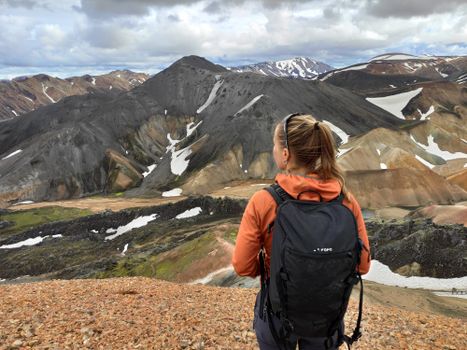
The base layer sits against your skin and moves sweat away from it. Merino wool or a synthetic works; the point is that it keeps you warm even when it is damp. The mid-layer — a fleece or a light down jacket — traps the warmth. This is the layer you take off when you are moving and put back on when you stop. The outer shell is a waterproof, windproof hard shell that blocks the rain and, just as importantly, the wind.
The one rule that catches people out: no cotton against the skin. A cotton T-shirt or jeans soaks up rain and sweat, stays wet, and pulls heat out of you for the rest of the day. Swap cotton for wool or synthetic and half of Iceland's discomfort disappears.

The waterproof shell is not optional, and this is a safety point, not a comfort one. Iceland's weather changes fast, and wind is the part visitors underestimate. Gusts regularly reach speeds that tear car doors off their hinges and knock people over on exposed paths; rain arrives sideways, not from above.
Getting wet and cold in that wind is how a nice day turns into hypothermia risk, especially on a hike or an exposed viewpoint far from the car. A proper hard shell — jacket and over-trousers — is your insurance against it. Check the live weather and road alerts before you set out, and if a warning is up, believe it.

Swimwear is not optional either
Pack a swimsuit no matter when you travel — and this genuinely surprises first-time visitors. Iceland's hot springs and geothermal swimming pools are a year-round part of daily life, and locals swim outdoors through snowstorms. Soaking in a hot pool while it snows is one of the best things you can do here, and you will be sad if your swimwear is at home.
A few pieces of local etiquette make it easy. At public pools you are required to shower thoroughly, without swimwear, before entering the water — it keeps the lightly chlorinated pools clean, and staff will enforce it. Bring a quick-dry towel; flip-flops are handy for the walk between the changing room and the water. For the wild, undeveloped soaks in our free hot springs guide, there are no changing rooms, so plan to change by the pool and pack a dry bag for your clothes.
Footwear: waterproof, with grip
One pair of waterproof walking or hiking boots does most of the work. Trails here are wet, muddy and rocky in every season, and the paths to waterfalls and viewpoints are rarely dry. You want a boot with real grip and ankle support, broken in before you arrive — not a fresh pair you fight blisters with on day one.
A second pair of comfortable shoes or trainers is fine for towns and driving days, but the boots are the ones that matter. In the icy months you add one cheap, high-value item on top: slip-on ice cleats. More on those below.

What to pack & why — the core kit
If you strip the list down to what actually earns its place in the bag, it comes to four briefings. Everything in the month-by-month checklist above hangs off these.
#1.The waterproof, windproof shell
when: Every monthpieces: jacket + over-trouserspriority: safety item
The single most important thing you bring. A hard shell blocks rain and wind, which is what Iceland throws at you year-round. Get a genuinely waterproof one, not a “water-resistant” softshell, and bring the over-trousers too — sideways rain soaks legs that a jacket alone leaves exposed. If you buy one new thing for this trip, buy this.
#2.Layers you can add and shed
when: Every monthpieces: base + mid + warm hatrule: no cotton next to skin
A wicking base layer plus a fleece or light down mid-layer covers most conditions when paired with the shell. Add a warm hat and gloves — wind chill bites even in summer on exposed ground. The skill is not owning expensive kit; it is adjusting layers before you get too hot or too cold, not after.
#3.Hot-spring kit
when: Every monthpieces: swimwear + quick-dry toweletiquette: shower first, no swimwear
Swimwear, a quick-dry towel and flip-flops. Geothermal pools run all winter, and the pre-swim shower rule is non-negotiable at public pools. For wild soaks, add a dry bag for your clothes since there are no changing rooms. See the hot springs hub for where to use it.
#4.Footwear and traction
when: Boots every monthwinter add: ice cleats Dec–Marspec: waterproof + grippy
Waterproof boots with grip and ankle support, broken in before you fly. From December to March, pack slip-on crampons or ice cleats that pull over your boots — iced-over car parks and pavements cause more visitor injuries here than any trail, and cleats cost little and weigh nothing.
The month-by-month deltas
The core kit above travels every month. What changes is how much insulation and traction you bolt on, and one summer-only item most people forget.
November to March — winter. Days are short, and it is cold, dark and windy. Add a heavy insulated jacket over your layers, thermal leggings, a warm hat, gloves and a neck gaiter. From December to March specifically, pack ice cleats and a head torch — midwinter daylight can be as little as four to five hours, so you will be out in the dark whether you planned to or not. A 4WD becomes worth considering too; our do-I-need-4WD guide walks through when.
April to October — the milder half. The heavy insulation comes out of the bag, but the layering system and waterproofs stay. Add sunscreen: the long daylight hours and glare off water, snow and glaciers burn skin faster than people expect. If you are heading to the Lake Mývatn area between roughly June and August, a cheap midge head net saves the visit — the flies there are relentless in still, warm weather.
May to July — the midnight sun. Near the solstice it barely gets dark, which is wonderful and also ruins sleep. Pack an eye mask. It is the one summer item people most often wish they had brought, and it costs almost nothing. There is more on driving in the endless light in our summer driving guide.

What not to bring
Packing for Iceland is as much about what to leave out. An umbrella is useless and slightly comic here — the wind turns it inside out within seconds, and everyone can tell it is your first day. Heavy cotton clothing (jeans, cotton hoodies) stays wet and cold, so swap it for wool or synthetic. And you can skip formal wear: Iceland is casual, and one slightly nicer outfit covers any restaurant you are likely to visit.
You also do not need to over-buy specialist gear. Renting a car and driving between sights means you are rarely far from shelter and warmth, so a sensible layering system beats an expedition kit. Spend on the shell and the boots; go modest on everything else.
Frequently
asked questions
What is the one thing I must pack for Iceland?
Do I need a raincoat in summer?
Should I bring swimwear to Iceland?
What shoes do I need for Iceland?
What power adapter does Iceland use?
How cold does it get, and how do I dress for it?
Do I need special gear for winter?
What should I not bother packing?
Cars & campers
 KEF airport pickup 24/74.8
 Transmission
 Fuel
Fuel Seats
Seats Drive
Drive

 Sleeps
Tours near Iceland
 Small groups
 Duration
 Highlights
 Type
Type