
Iceland Fuel Price Index
Live petrol and diesel prices across Iceland — the cheapest, the average and the most expensive, by brand, with how to budget fuel for a road trip.
Iceland bensín95 currently runs from 241.2 ISK/L at the cheapest station to 287.4 ISK/L at the priciest, with a national average of 278.8 ISK/L and cheapest diesel around 288.1 ISK/L. Prices update live from gasvaktin.is.
How much does fuel cost in Iceland today?
Petrol (95 octane) averages 278.8 ISK per litre across Iceland today, ranging from 241.2 to 287.4 ISK/L — the cheapest station right now is Kauptún (Costco Iceland) at 241.2 ISK/L.
Data verified 16 October 2026, 08:57 · source: gasvaktin.is · refreshes with station price changes
Cite this page: Fuel data from gasvaktin.is, compiled by Map of Iceland — mapoficeland.is/guides/iceland-fuel-price-index/. Figures updated live from gasvaktin.is; petrol is bensín95 (95-octane unleaded), all prices in Icelandic króna per litre.
Ring Road (R1) slippery in placesHighlands: 56 of 64 monitored roads closed or impassableVegagerðin, updated just now
Where the pumps are
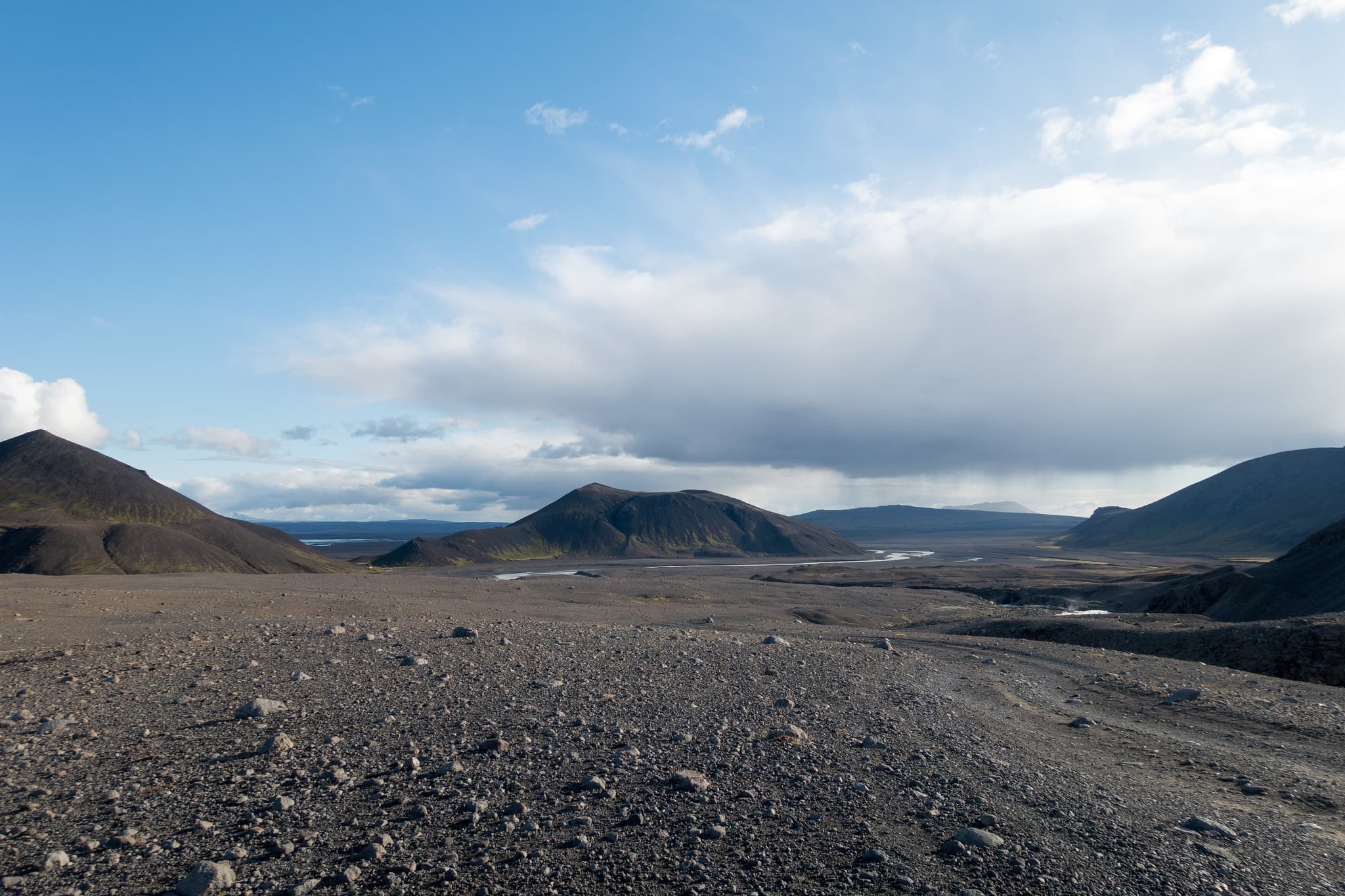
Iceland has around 247 stations tracked with live prices. Cheap fuel clusters around Reykjavík; it thins out and climbs the further you go. Open the map to see every station.
The current index
Across every tracked station, bensín95 today spans 241.2 ISK/L (cheapest) · 278.8 ISK/L (average) · 287.4 ISK/L (most expensive) — and the cheapest diesel right now is 288.1 ISK/L at Costco Iceland (Kauptún).
That spread — often 30–40 ISK a litre between the cheapest and priciest pump — is why where you fill up matters as much as when. On a full tank the gap is real money. Prices refresh from gasvaktin.is roughly every hour.
| Brand | Avg bensín95 | Avg diesel | Stations |
|---|---|---|---|
| Costco Iceland | 241.2 ISK/L | 288.1 ISK/L | 1 |
| Atlantsolía | 269.2 ISK/L | 317.9 ISK/L | 24 |
| ÓB | 276.1 ISK/L | 324.5 ISK/L | 47 |
| Orkan | 276.7 ISK/L | 323.7 ISK/L | 73 |
| Olís | 283.9 ISK/L | 330.9 ISK/L | 19 |
| N1 | 284.5 ISK/L | 329.9 ISK/L | 81 |
The unmanned and warehouse brands sit at the cheap end; the staffed forecourts with a shop, coffee and toilets sit higher — you're partly paying for the stop. Averages smooth over the fact that a single brand can be cheap in Reykjavík and dear in the Westfjords, so the per-station list below is the sharper tool for a specific place.
| Station | Brand | Region | bensín95 |
|---|---|---|---|
| Kauptún | Costco Iceland | Iceland | 241.2 ISK/L |
| Dalvegur | Orkan | Iceland | 253.2 ISK/L |
| Reykjavíkurvegur | Orkan | Iceland | 253.2 ISK/L |
| Skógarhlíð | Orkan | Iceland | 253.2 ISK/L |
| Furuvellir | Orkan | Iceland | 253.2 ISK/L |
| Mýrarvegur | Orkan | Iceland | 253.2 ISK/L |
These are the lowest bensín95 prices in the current feed. Costco (Garðabær) usually leads it when it appears, but it needs a membership; the automated Atlantsolía, ÓB and Orkan pumps are the no-card-drama cheap option for most visitors.
How fuel is priced in Iceland
Fuel is sold by the litre and the price you see on the sign is per litre, in Icelandic króna — the number on the pole is the whole story, no per-gallon conversion needed. Two grades cover almost every rental: bensín95, 95-octane unleaded petrol, and dísel. Put bensín95 in a petrol car and diesel in a diesel; the filler cap or the key tag on a rental tells you which, and getting it wrong is an expensive mistake the insurance won't cover.
Iceland's pump prices are among the higher ones in Europe, and it's mostly tax and logistics — heavy fuel duty and carbon charges, plus the cost of shipping every drop to an island in the North Atlantic. From 2026 a per-kilometre road charge took over part of what fuel tax used to cover for many vehicles, which shifts the total cost of a trip; our kilometre-fee guide works through what that means for a rental.
Self-service, card-only pumps and PINs
Nearly every station is self-service — you fill the tank yourself and pay at the pump or, at unmanned stations, at an automat before you fill. Full-service forecourts with an attendant are effectively gone. The pumps are card-operated and most ask for a 4-digit PIN, so a card without one can simply be refused, which catches out a lot of North American visitors.
One more quirk: unmanned pumps often place a pre-authorisation hold — a temporary block larger than your actual fill (sometimes tens of thousands of króna) that clears in a few days once the real amount settles. Use a card with headroom, know your PIN before you leave the city, and pack a backup card. It's worth putting a PIN-enabled card on your packing list next to the waterproofs.
The brands, and the discount keys
Six names cover almost every forecourt: N1 and Olís are the big staffed networks with shops and services; ÓB is Olís's unmanned discount brand and Orkan runs a mix of staffed and automated sites; Atlantsolía is a lean discount chain; and Costco in Garðabær is usually the single cheapest litre in the country if you hold a membership. As a rule of thumb, the fewer the staff and the plainer the site, the cheaper the fuel.
Each network runs a discount key or app (a dælulykill fob, or the N1, Orkan and Atlantsolía apps) that shaves a few krónur off the litre and lets you pay at unmanned pumps. For a two-week trip the saving is modest but free to set up. Don't build your route around it, though — a station that's 20 ISK/L cheaper beats a 3 ISK/L app discount at your usual brand every time.
Diesel versus petrol for a road trip
At the pump, diesel and bensín95 sit close together and trade places week to week — the live numbers above show which is ahead today. The bigger lever is efficiency: a diesel car burns noticeably fewer litres per 100 km, so over a full Ring Road loop a diesel often costs less to run even when the sticker price is similar. If you're choosing a rental mainly for a long lap of the island, that efficiency usually matters more than a couple of króna on the sign.
Whatever you drive, the honest rule for Iceland is don't run it low. Stations thin out fast once you leave the southwest, and a half-empty tank in the highlands or the east is a planning problem, not an adventure. Check whether your route is open today and the live alerts before committing to a long empty stretch.
The long legs, right now
Live frames from the Route 1 passes where the gaps between towns — and fuel stops — are longest. If a pass looks white, you want a full tank and a check of the alerts before you commit.
 Live
Live Live
Live Live
LiveA clear pass isn't a guarantee the next 100 km has an open pump, but it tells you the drive itself is on. Pair the cameras with the live status line up top and the pre-drive checks before a remote leg.
Budgeting fuel for a Ring Road trip
You don't need a spreadsheet — three steps and the live average above get you a total that's close enough to book around.
#1.Estimate the litres
distance: Ring Road ≈ 1,322 kmconsumption: 6–8 L / 100 kmtotal: 80–110 L for the loop
Take your route distance and multiply by the car's consumption. A small economical petrol or diesel car uses roughly 6–8 litres per 100 km, so the bare Ring Road is about 80–110 litres. Add the Golden Circle, Snæfellsnes, the Westfjords or highland detours and the litres climb quickly — a bigger 4x4 uses more again.
#2.Multiply by the price you'll actually pay
method: litres × avg ISK/Lbrand: cheaper on discount brands
Multiply your litres by the average from the index above for a realistic number, or by the cheapest figure if you'll deliberately stick to unmanned discount pumps. That single multiplication is your fuel budget — no need to guess a total that goes stale, because the number you multiply by is live.
#3.Fill before the empty stretches
rule: never below ¼ tank remoteprice: remote fuel costs more
Cheap fuel is a capital-area and big-town thing. Top up in Reykjavík, Selfoss, Vík, Höfn, Egilsstaðir or Akureyri before long gaps rather than paying the premium at a lonely pump in the Westfjords or the east. The campervan crowd should budget a little more — heavier vehicles drink more — and the campervan cost calculator folds fuel in with rental and camping.
Frequently
asked questions
Where is the cheapest fuel in Iceland?
Are Icelandic petrol stations self-service?
Do the pumps need a PIN, and will my card work?
Petrol or diesel — which is cheaper in Iceland?
Do the discount keys and fuel apps actually save money?
Why is fuel more expensive in the highlands and remote areas?
How much should I budget for fuel on the Ring Road?
Is fuel in Iceland more expensive than the rest of Europe?
Cars & campers
 KEF airport pickup 24/74.8
 Transmission
 Fuel
Fuel Seats
Seats Drive
Drive

 Sleeps
Tours near your Iceland road trip
 Small groups
 Duration
 Highlights
 Type
Type