
Nature Reserves · Iceland
Iceland Nature Reserves
6 mapped · 4 regions · Protected land · Seasonal rules apply
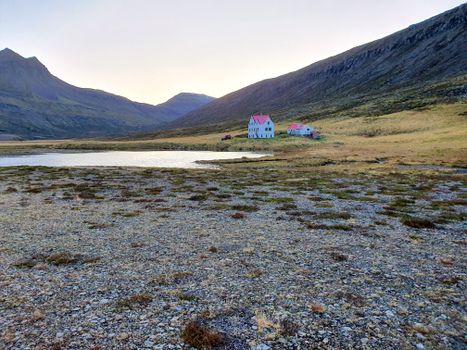
 Mickaël Delcey (Silverkey) · Wikimedia Commons · CC BY-SA 3.0
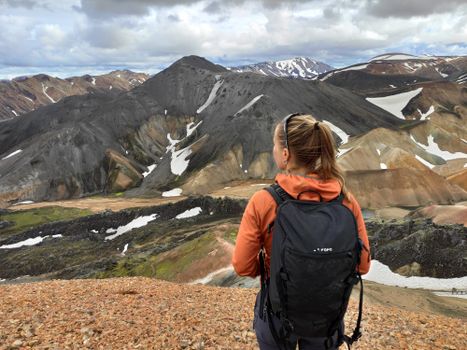
 Berserkur · Wikimedia Commons · CC BY-SA 4.0
 Dagur Brynjólfsson from Hafnarfjordur, Iceland · Wikimedia Commons · CC BY-SA 2.0
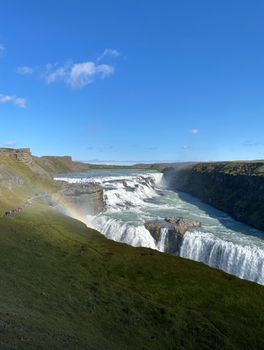
Iceland protects dozens of areas as nature reserves (friðland) under its Nature Conservation Act, separate from its three national parks. They range from the Lónsöræfi highland wilderness on the edge of Vatnajökull, to the Flói wetland bird reserve near the South Coast, to the Eldey gannet island off Reykjanes. Each reserve has its own access rules — many bird reserves restrict entry during the spring nesting season, and off-road driving is banned everywhere.

Planning around weather or roads? Live conditions across Iceland →
Reserves worth a page
The reserves with real access info and photos — bird wetlands, gannet islands and highland wilderness. Distances on the cards are straight-line from Reykjavík.


 Directions
 Save
Save Share
ShareCars & campers
 KEF airport pickup 24/74.8
 Transmission
 Fuel
Fuel Seats
Seats Drive
Drive

 Sleeps
Tours near Iceland's nature reserves
 Small groups
 Duration
 Highlights
 Type
Type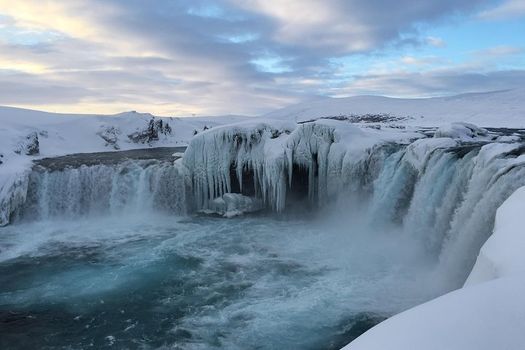
When & how to visit Iceland's nature reserves
Access ranges widely. Lowland and coastal reserves like Flói near Selfoss are reachable by any car and best in late spring and summer for birdlife — but stay on the marked paths during the nesting season. Lónsöræfi, on the south-eastern edge of Vatnajökull, is remote highland wilderness with no marked amenities: it needs an F-road, a 4×4, river-crossing experience and full self-sufficiency, and is summer-only. Eldey cannot be landed on without a research permit, but its gannet colony is visible from the Reykjanes coast and via live webcams. Off-road driving is illegal in every reserve — it scars fragile moss for decades. Check live road conditions and the Environment Agency (Umhverfisstofnun) page for each reserve before you go.
Browse nature reserves by region

The nature reserves of Iceland, compared
All 6 mapped reserves, ranked — our best-documented picks first. Tap any name for the full guide. Area and access details come from Wikidata and OpenStreetMap where they exist.
| Reserve | Region | Area | Known for | |
|---|---|---|---|---|
 | Hornstrandir | Westfjords | 580 km² | Boat-in arctic fox country |
 | Lónsöræfi | East Iceland | 0.0 ha | Worth discovering |
 | Eldey | West Iceland | 0.0 ha | Worth discovering |
| Flói Nature Reserve | South Coast | — | Worth discovering | |
 | Fjallabak natural reserve | South Coast | 4.5 ha | Nature reserve in South Coast |
| Geitland | West Iceland | 1.2 ha | Nature reserve in West Iceland |


