
Canyons · Iceland
Iceland Canyons
43 mapped · 8 regions · Some need 4×4 · Watch rim edges
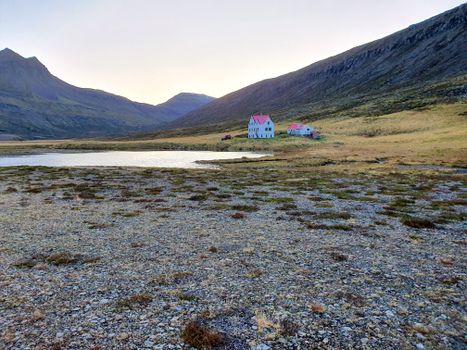
 ArniGael · Wikimedia Commons · CC BY-SA 4.0
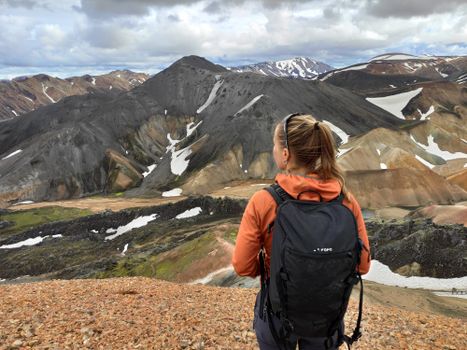
 Hansueli Krapf · Wikimedia Commons · CC BY-SA 3.0
 Илья Григорик · Wikimedia Commons · CC BY-SA 3.0
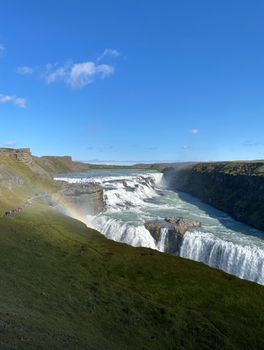
Iceland's canyons split into two kinds: river gorges carved by glacial meltwater — Fjaðrárgljúfur, Ásbyrgi, Stuðlagil — and volcanic fissures where the ground itself tore open, like Eldgjá and Almannagjá at Þingvellir. The headline canyons are reachable by any car; the remote highland rifts sit on summer-only F-roads. Rims are loose and drops are sheer — stay on marked paths and back from the edge.

Planning around weather or roads? Live conditions across Iceland →
Top canyons
Iceland’s best-known gorges and rift valleys, with real access info. Distances on the cards are straight-line from Reykjavík.


 Directions
 Save
Save Share
Share


Cars & campers
 KEF airport pickup 24/74.8
 Transmission
 Fuel
Fuel Seats
Seats Drive
Drive

 Sleeps
Tours near Iceland's canyons
 Small groups
 Duration
 Highlights
 Type
Type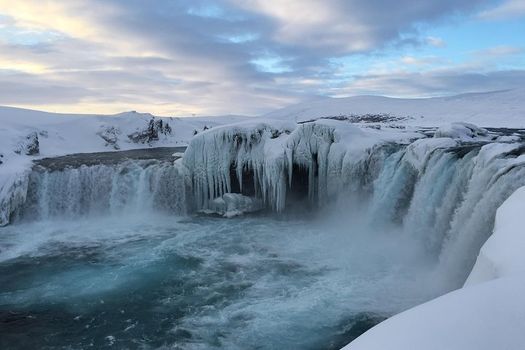
When & how to visit Iceland's canyons
The most-visited canyons sit near the Ring Road. Fjaðrárgljúfur is a short detour on the South Coast near Kirkjubæjarklaustur, with a marked rim walkway. Ásbyrgi, a horseshoe-shaped canyon in the north, is part of Vatnajökull National Park and has easy forest trails on its floor. Stuðlagil, in East Iceland, is the basalt-column canyon that draws crowds in summer — the west side has a car park and a short walk, the east side a longer hike. Remote canyons like Eldgjá need a 4×4 on summer-only F-roads. Whatever you visit, canyon weather can differ from the surrounding area — bring layers, keep back from unmarked edges, and check live road conditions before driving.

The canyons of Iceland, compared
All 43 mapped canyons, ranked — our best-documented picks first. Tap any name for the full guide. Access details come from OpenStreetMap and Wikidata where they exist.
| Canyon | Region | Known for | |
|---|---|---|---|
 | Almannagjá | Reykjavík Area | Worth discovering |
 | Ásbyrgi | North Iceland | Worth discovering |
 | Eldgjá | South Coast | Worth discovering |
 | Fjaðrárgljúfur | South Coast | Worth discovering |
 | Jökulsárgljúfur | North Iceland | Worth discovering |
 | Markarfljótsgljúfur | South Coast | Worth discovering |
 | Múlagljúfur | South Coast | Múlagljúfur is a mossy canyon cut into the slopes above the Fagurhólsmýri plain, between Skaftafell and Jökulsárlón, with a thin waterfall — Hangandifoss — dropping into it from the rim. There is no marked path and no official turnaround, and it shows: the eleven recorded walks we hold run from 1.8 km to 6.6 km, with anything between no climbing at all and 482 metres of it. The middle of that range is about 5 km and 320 metres of ascent. How far you go up this canyon is a decision you make on the day, not one the path makes for you. |
 | Rauðfeldsgjá | West Iceland | Worth discovering |
 | Stuðlagil | East Iceland | Worth discovering |
 | Álfagjá | Reykjanes Peninsula | Canyon in Reykjanes Peninsula |
 | Brúarhlöð | Highlands | Canyon in Highlands |
 | Drekagil | North Iceland | Canyon in North Iceland |
 | Flosagjá | Reykjavík Area | Canyon in Reykjavík Area |
 | Hafrahvammagljúfur | East Iceland | Canyon in East Iceland |
 | Hvítárgljúfur | South Coast | Canyon in South Coast |
 | Kolugljúfur | West Iceland | Canyon in West Iceland |
 | Kotagil | North Iceland | Canyon in North Iceland |
 | Sveinsgil | South Coast | Canyon in South Coast |
| Drangagil | North Iceland | Canyon in North Iceland | |
| Draugagil | Westfjords | Canyon in Westfjords | |
| Einistorfa | Highlands | Canyon in Highlands | |
| Faxagil | East Iceland | Canyon in East Iceland | |
| Fjallgil | South Coast | Canyon in South Coast | |
| Gimbragil | Westfjords | Canyon in Westfjords | |
| Grasafjallsgil | North Iceland | Canyon in North Iceland | |
| Grasgil | South Coast | Canyon in South Coast | |
| Gulsgil | North Iceland | Canyon in North Iceland | |
| Holtsgil | South Coast | Canyon in South Coast | |
| Hveragil | Highlands | Canyon in Highlands | |
| Illagil | South Coast | Canyon in South Coast | |
| Illugil | Westfjords | Canyon in Westfjords | |
| Krossgil | East Iceland | Canyon in East Iceland | |
| Lakalandsgil | South Coast | Canyon in South Coast | |
| Markagil | South Coast | Canyon in South Coast | |
| Merargil | East Iceland | Canyon in East Iceland | |
| Mosgil | North Iceland | Canyon in North Iceland | |
| Partsgil | East Iceland | Canyon in East Iceland | |
| Raufargil | South Coast | Canyon in South Coast | |
| Seljagil | Westfjords | Canyon in Westfjords | |
| Spanarhraun | East Iceland | Canyon in East Iceland | |
| Stafnsgil | North Iceland | Canyon in North Iceland | |
| Surtarbrandsgil | Westfjords | Canyon in Westfjords | |
| Vegagil | North Iceland | Canyon in North Iceland |


